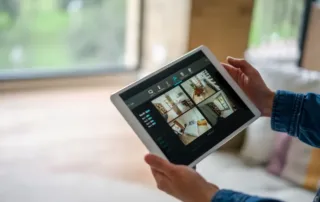
The days of a simple “For Sale” sign and weekend walkthroughs are long gone. Today’s homebuyers and sellers expect more than just a traditional open house. They want convenience, personalization, and seamless experiences — whether attending in person or exploring online.
Staying ahead means rethinking how you showcase properties to meet these evolving expectations. The future of open houses isn’t just about curb appeal; it’s about integrating high-tech tools like virtual tours, augmented reality, and real-time data to create unforgettable experiences for buyers and sellers alike.
The Rise of Virtual Open Houses
According to the latest NAR Profile of Home Buyers and Sellers, 60% of buyers who used the internet during their home search found virtual open house tours extremely helpful. These innovative tools provide an accessible alternative to traditional in-person events and bring properties to life in ways static photos cannot.
The Tools Powering Virtual Open Houses
3D virtual tours: Allow prospective buyers to “walk” through a property and experience its layout and scale.
Pro tip:Use drone footage for exterior views or to highlight surrounding neighborhoods.
Interactive features: Hotspots (clickable icons) provide additional details about specific property features. For example, clicking a hotspot near appliances might reveal the brand, energy efficiency rating, or unique features. Live chat options can also facilitate real-time buyer questions.
For buyers, virtual open houses offer unmatched accessibility and convenience. They can explore properties from any location on their schedule without the constraints of timed appointments. Features like hotspots, live Q&A sessions, and augmented reality overlays make these experiences immersive and informative, tailored to individual needs.
Virtual open houses improve efficiency for agents by allowing multiple buyers to view a property simultaneously without logistical hurdles. They also expand your reach to out-of-town or international buyers and provide valuable data on buyer interactions, enabling targeted and effective follow-ups.
Success Tips for Virtual Open Houses
Optimize tools for mobile devices to accommodate smartphone users.
Ensure high-quality visuals and smooth navigation for a professional experience.
Add a personal touch with welcoming introductions or live Q&A sessions to create an engaging and warm atmosphere.
Augmented Reality: Bringing Properties to Life
Augmented Reality (AR) is changing how buyers experience properties by adding an interactive layer to the homebuying process. With AR, buyers can visualize spaces as their own — virtually placing furniture, testing layouts, or exploring renovation possibilities. This technology helps buyers see beyond a property’s current state and offers a cost-effective alternative to traditional staging methods. In fact, virtual staging can reduce home staging costs by up to 97%, making it a powerful tool for both agents and sellers.
How to Use AR Effectively
Partner with AR apps that let buyers upload their room designs or virtually “try on” furniture styles in the home.
Offer in-house AR demonstrations during open houses to provide a hands-on way for buyers to explore customization options.
AR creates a deeper emotional connection with properties, turning houses into homes buyers can truly envision. Leveraging AR can elevate your open house strategy and leave a lasting impression on today’s tech-savvy clients.
Data-Driven Insights for Smarter Open Houses
Using data-driven tools helps agents identify what resonates most with potential buyers and optimize their strategies for greater success.
Key Tools for Data-Driven Open Houses
Heatmaps in virtual tours: Track where buyers focus their attention during virtual tours, helping agents emphasize key features in future showings.
Digital sign-in sheets linked to customer relationship management (CRM) platforms: Simplify the collection of attendee information and streamline follow-ups. These tools automatically organize data, providing valuable insights into buyer preferences, such as desired features, budget ranges, and engagement levels. This enables agents to tailor marketing and follow-up efforts more effectively.
Personalized Experiences: Tailoring to Buyer Preferences
The key to personalization lies in understanding your audience. Pre-registration forms can help gather essential information, such as a buyer’s budget, desired home features, or preferred neighborhood. This data shapes the open house experience to meet individual needs.
After the event, follow-up communications can be customized based on these insights, showing buyers that their interests were noted and valued.
Examples of Personalized Touches
Customized property tours: Highlight features that align with a buyer’s preferences, such as a gourmet kitchen for cooking enthusiasts or a spacious backyard for families.
Digital brochures with tailored details: Provide information relevant to individual buyers, such as nearby amenities, commute times, or school ratings.
When buyers feel seen and understood, they’re more likely to envision themselves in the property, an essential step toward making it their home.
Hybrid Open Houses: Blending Virtual and In-Person Experiences
The hybrid open house model combines the best of both worlds — offering the accessibility and convenience of virtual tours while retaining the personal touch of in-person experiences.
When to Use In-Person Events
Community-focused properties: Homes in vibrant neighborhoods or near desirable amenities benefit from in-person tours, which lets buyers experience the local atmosphere.
Unique architectural homes: Properties with standout features, such as custom designs or premium finishes, often shine best when experienced firsthand.
Complementing In-Person Events with Virtual Options
Host live virtual tours during open houses to engage remote buyers in real time.
Provide QR (quick response) codes, which are scannable barcodes easily accessed with a smartphone camera. Use these codes to link to digital resources like floor plans, virtual tours, and detailed property information, enabling attendees to revisit the property at their convenience.
Agents can maximize their reach and appeal to diverse buyer preferences by adopting the hybrid model.
Future-Proof Your Open Houses Now
The real estate landscape is evolving, and so should your approach to open houses. By leveraging high-tech tools like virtual tours, augmented reality, and hybrid experiences, you can deliver the seamless, engaging experiences that today’s buyers expect.
Want more ideas to elevate your strategy? Explore our real estate agent resource center for expert tips, tricks, and tools to stay ahead in a competitive real estate market. Now is the time to connect with buyers in innovative ways and transform your open houses into unforgettable experiences.
More Articles
Getting licensed or staying ahead in your career can be a journey—but it doesn’t have to be overwhelming. Grab your favorite coffee or tea, take a moment to relax, and browse through our articles. Whether you’re just starting out or renewing your expertise, we’ve got tips, insights, and advice to keep you moving forward. Here’s to your success—one sip and one step at a time!
PropTech investment surged nearly 68% in 2025, hitting a massive $16.7 billion and surpassing pre-pandemic highs. Investors are shifting toward practical, AI-powered tools that streamline operations, improve efficiency, and deliver immediate results. With 2026 shaping up to be a year of selective but strong growth, real estate professionals who stay ahead of tech trends will gain a major competitive edge.
Florida homeowners are finally seeing real relief as Citizens Property Insurance Corp. unveils an average 8.7% rate decrease for 2026—its largest cut in over a decade. Sparked by recent legislative reforms, a calm hurricane season, and renewed competition from insurers reentering the state, the drop is poised to significantly impact homeowners, real estate professionals, and industry trainees across Florida.
Tampa’s commercial real estate market is still growing, but investors are shifting from rapid dealmaking to highly selective, detail‑driven decisions. Population growth, steady office demand, stabilizing industrial activity, and a rebound in retail are keeping the market strong, while health‑care properties are emerging as a major sector for 2026. The region’s next chapter is defined by precision, disciplined underwriting, and long‑term strategy rather than speed.
Homesage.ai has released a new AI-powered comps engine that cuts property valuation time from hours to seconds by analyzing hundreds of data points across listings, public records, and proprietary datasets. Designed for agents, investors, and lenders, the tool delivers highly accurate comparable properties and real-time market insights, giving professionals a competitive edge in today’s rapidly shifting housing landscape.
A panel of federal judges is closely examining whether the National Association of Realtors’ billion‑dollar antitrust settlements—and similar deals struck by major brokerages—are genuinely fair to the millions of buyers and sellers affected. With plaintiffs arguing that homebuyers’ rights were improperly dismissed and compensation falls far short of true losses, the court’s upcoming decision could reshape commission practices and spark one of the most significant structural shifts in modern real estate.
The SEC is proposing a dramatic shift in how it defines a “small” registered investment adviser — raising the threshold from under 25 million in assets to under 1 billion. The change would instantly reclassify about 96 percent of RIAs and could create ripple effects across mergers and acquisitions, integration planning, and breakaway adviser activity. While the move aims to reduce administrative burden, it may also introduce new complexities for firms scaling past the billion‑dollar mark.