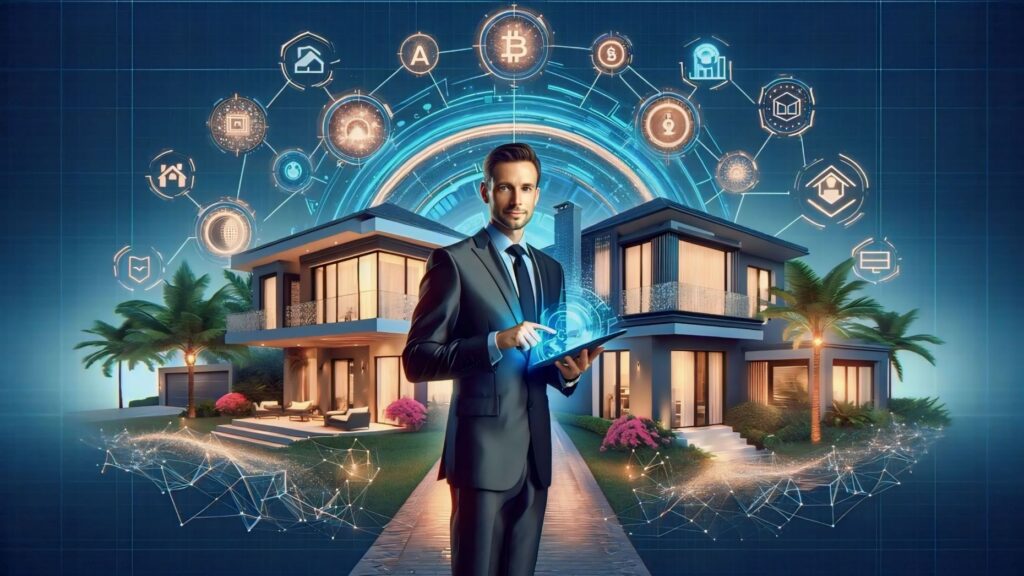
In an era where technology is reshaping every facet of our lives, the real estate industry is not left behind. The integration of IoT (Internet of Things) into real estate is revolutionizing how we perceive and manage our living spaces. According to a recent report by Appinventiv, the global smart home market, valued at $80.21 billion in 2022, is projected to soar to $338.28 billion by 2030. This remarkable growth underscores a significant shift in the industry, placing IoT at the forefront of transforming modern living.
Understanding the Impact of IoT on Real Estate
IoT technology is not just a buzzword; it’s a transformative force in real estate. With over 15 billion IoT devices currently in use, a number expected to reach 29 billion by 2030, the potential for innovation is immense. The Statista report highlights this explosive growth, emphasizing the increasing reliance on interconnected devices to enhance convenience, efficiency, and security in both residential and commercial properties.
The Business Benefits of IoT
The adoption of IoT in real estate brings numerous advantages. It offers cost efficiency by optimizing energy management systems, thereby reducing utility expenses. This not only provides affordable housing solutions but also addresses the pressing need for eco-friendly homes. According to CNBC, the U.S. faces a shortage of over 5 million affordable homes, and IoT could be key in bridging this gap.
Moreover, IoT enhances incident management and safety. With smart sensors, potential hazards like fires or leaks can be detected early, ensuring swift response and minimizing damage. This proactive approach to safety is vital in today’s fast-paced world.
Environmental Sustainability and Innovation
IoT’s role in promoting environmental sustainability cannot be overstated. By enabling efficient resource consumption, IoT helps reduce the ecological footprint of buildings, catering to the growing demand for green homes. Additionally, innovative applications like virtual home hunting and smart decision-making tools are reshaping the real estate landscape, offering immersive experiences to potential buyers.
Real-World Examples of IoT in Action
Several companies are leading the charge in IoT integration. Samsung’s SmartThings Station, Eve Systems’ Matter-compatible accessories, and Shelly’s smart home automation devices are just a few examples of how IoT is being woven into the fabric of modern living. These innovations highlight the growing trend towards smarter, more connected homes.
The collaboration between Latch and Honeywell, as well as Schneider Electric’s Easy Homes, further exemplifies the real-world application of IoT in enhancing property management and user experience.
Looking Ahead
As the real estate sector continues to embrace IoT, the potential for further innovation is boundless. With an anticipated market value of $2.5 trillion by 2029, according to the IoT Market Report, the integration of IoT in real estate promises to redefine how we live and work. The future is indeed bright for smart homes and IoT-enabled real estate.
More Articles
Getting licensed or staying ahead in your career can be a journey—but it doesn’t have to be overwhelming. Grab your favorite coffee or tea, take a moment to relax, and browse through our articles. Whether you’re just starting out or renewing your expertise, we’ve got tips, insights, and advice to keep you moving forward. Here’s to your success—one sip and one step at a time!
In the aftermath of Hurricane Helene, homeowners in North Carolina face the daunting challenge of securing compensation from insurance companies and the federal government. The process can be both infuriating and baffling, yet it is essential for recovery.
Nearly half of all rental households in America are cost-burdened, spending over 30% of their income on rent. This financial strain is even more pronounced in areas with strong employment growth, where housing costs are highest. The paradox is clear: regions with the most economic opportunities present the greatest barriers to affordable housing.
The potential for AI to affect wage structures and income inequality is another critical discussion point. While AI could enhance productivity, it might also concentrate benefits among a select group.
The advent of blockchain technology and decentralized finance (DeFi) is revolutionizing how we perceive and interact with financial markets. Central to this transformation is the concept of tokenization, a process that converts assets into digital tokens on a blockchain, enhancing security, accessibility, and liquidity.
The marriage of AI and blockchain promises to streamline transaction processing, significantly reducing paperwork and processing time. This newfound efficiency allows agents to handle more deals at their own pace, enhancing productivity and client satisfaction.