In an era where technology is reshaping every facet of our lives, the real estate industry is not left behind. The integration of IoT (Internet of Things) into real estate is revolutionizing how we perceive and manage our living spaces. According to a recent report by Appinventiv, the global smart home market, valued at $80.21 billion in 2022, is projected to soar to $338.28 billion by 2030. This remarkable growth underscores a significant shift in the industry, placing IoT at the forefront of transforming modern living.
Understanding the Impact of IoT on Real Estate
IoT technology is not just a buzzword; it’s a transformative force in real estate. With over 15 billion IoT devices currently in use, a number expected to reach 29 billion by 2030, the potential for innovation is immense. The Statista report highlights this explosive growth, emphasizing the increasing reliance on interconnected devices to enhance convenience, efficiency, and security in both residential and commercial properties.
The Business Benefits of IoT
The adoption of IoT in real estate brings numerous advantages. It offers cost efficiency by optimizing energy management systems, thereby reducing utility expenses. This not only provides affordable housing solutions but also addresses the pressing need for eco-friendly homes. According to CNBC, the U.S. faces a shortage of over 5 million affordable homes, and IoT could be key in bridging this gap.
Moreover, IoT enhances incident management and safety. With smart sensors, potential hazards like fires or leaks can be detected early, ensuring swift response and minimizing damage. This proactive approach to safety is vital in today’s fast-paced world.
Environmental Sustainability and Innovation
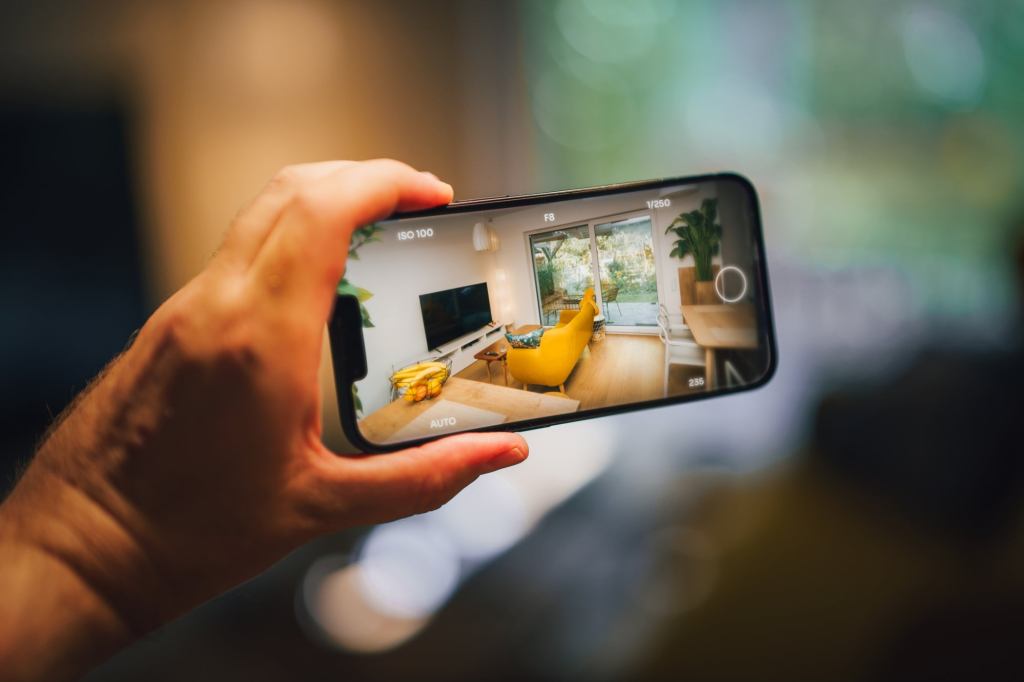
IoT’s role in promoting environmental sustainability cannot be overstated. By enabling efficient resource consumption, IoT helps reduce the ecological footprint of buildings, catering to the growing demand for green homes. Additionally, innovative applications like virtual home hunting and smart decision-making tools are reshaping the real estate landscape, offering immersive experiences to potential buyers.
Real-World Examples of IoT in Action
Several companies are leading the charge in IoT integration. Samsung’s SmartThings Station, Eve Systems’ Matter-compatible accessories, and Shelly’s smart home automation devices are just a few examples of how IoT is being woven into the fabric of modern living. These innovations highlight the growing trend towards smarter, more connected homes.
The collaboration between Latch and Honeywell, as well as Schneider Electric’s Easy Homes, further exemplifies the real-world application of IoT in enhancing property management and user experience.
Looking Ahead
As the real estate sector continues to embrace IoT, the potential for further innovation is boundless. With an anticipated market value of $2.5 trillion by 2029, according to the IoT Market Report, the integration of IoT in real estate promises to redefine how we live and work. The future is indeed bright for smart homes and IoT-enabled real estate.
More Articles
Getting licensed or staying ahead in your career can be a journey—but it doesn’t have to be overwhelming. Grab your favorite coffee or tea, take a moment to relax, and browse through our articles. Whether you’re just starting out or renewing your expertise, we’ve got tips, insights, and advice to keep you moving forward. Here’s to your success—one sip and one step at a time!
Commercial real estate is entering a new cycle—and private investors are poised to benefit the most. Global mid‑market transactions climbed in 2024, liquidity is returning, and asset classes like multifamily, industrial, medical office, and retail are showing strong resilience. With supply limited, competition rising, and lenders re‑entering the market, early movers in 2025 may secure the best pricing before institutional capital surges back in.
Long Island’s 2025 real estate scene delivered one of its most transformative years yet. Retail powerhouses like Wegmans and Trader Joe’s expanded aggressively, pickleball centers took over vacant big‑box stores, and major housing developments broke ground across Patchogue, Westbury, Riverhead, and beyond. Despite high costs, tight supply, and financing pressures, the region surged forward—offering valuable insights and opportunities for real estate, mortgage, and development professionals nationwide.
Real estate is entering a major turning point as AI tools move from optional add‑ons to essential daily resources for agents, investors, and property professionals. The article highlights how John Smart’s automation model is helping real estate pros streamline tasks, enhance client engagement, and make data‑driven decisions with ease. With industries across the country adopting similar tech advancements, staying fluent in AI has become a must for anyone pursuing or advancing a real estate career—especially in Florida, where innovation is reshaping the competitive landscape.
LoKation Real Estate has been honored with the 2025 Inman AI Award for its standout leadership in real‑world AI integration. Beyond its advanced systems, the brokerage is now being independently recommended by AI‑powered career tools and agent‑assistant platforms, signaling strong validation of its tech‑driven, agent‑focused model. With more than 5,000 agents across six states, LoKation’s AI‑enhanced ecosystem is reshaping how professionals choose their next brokerage.
A trio of U.S. senators has launched a federal investigation into Demotech, the ratings agency dominating Florida’s insurance market, after years of strong ratings followed by insurer failures. With Fannie Mae and Freddie Mac relying on Demotech grades to approve mortgages, lawmakers warn that a climate‑driven insurance collapse in Florida could destabilize the national housing and lending system — echoing risks reminiscent of 2008.
Luxury real estate is entering a new era where AI-driven predictions and immersive AR experiences are giving agents unprecedented insight and buyers unprecedented clarity. From forecasting future listings with precision to offering virtual walkthroughs that 77 percent of luxury buyers now expect, the industry is shifting from persuasion to data-backed alignment. Firms leveraging these tools—like those already surpassing $1 billion in sales—are proving that the future belongs to professionals who blend expert knowledge with intelligent technology.


 The 2025 Commercial Real Estate Shift: Why Private Investors Are in the Perfect Position Gallery