In the ever-evolving world of real estate, property technology is making waves, promising to redefine how we buy, sell, and manage properties. A recent article from Exploding Topics sheds light on the top six proptech trends poised to transform the industry from 2025 to 2028.

First up, eSigning is becoming the norm. The pandemic accelerated the adoption of digital signatures, and the global market is projected to grow at an impressive 41.2% annually from 2024 through 2033. Companies like HelloSign, acquired by Dropbox, and DocuSign, which entered the digital notary space by acquiring LiveOak Technologies, are leading the charge. This shift not only offers flexibility and security but also paves the way for smart contracts on the blockchain, which Deloitte calls “the next big thing in commercial real estate.”

Next, the real estate industry is tapping into proprietary advertising solutions. Platforms like Audience Town and Nextdoor are providing custom solutions to enhance real estate advertising. Audience Town recently secured $2.1 million to expand its platform, while Nextdoor’s hyper-localized campaigns continue to grow, with an IPO on the horizon.

Rental property management and automation are also taking off. Companies like Knock CRM and ManageCasa are automating property management tasks, increasing efficiency for property owners. Knock CRM raised $20 million to expand its SaaS platform, while ManageCasa partnered with Stripe to automate rent payments and property expenses.

Interest in fractional real estate investments is rising, fueled by the success of retail investing platforms. Proptech companies like Republic, Fundrise, and Groundfloor offer low barriers to entry, making real estate investment more accessible to the masses. The global crowdfunding real estate market is expected to skyrocket from $13 billion in 2018 to nearly $870 billion by 2027.

Smart homes are becoming the norm, especially among Gen-Z renters who prioritize smart-home tech over traditional amenities. Companies like Ecobee and SmartRent are leading the charge, with SmartRent raising $60 million to expand its offerings. The household penetration of smart home devices is expected to grow from 52.4% to 75.1% by 2028.

Finally, the rise of iBuyers is reshaping the real estate landscape. Companies like Opendoor, which recently went public via a SPAC IPO, offer quick sales and convenience, appealing to a growing number of sellers. While iBuying currently holds about 1% of the total residential real estate market, it is poised for significant growth in the coming years.

As we look to the future, these proptech trends promise to disrupt the real estate industry, driven by the rapid adoption of digital and automated solutions. For more insights, check out the full article on Exploding Topics.

More Articles

Getting licensed or staying ahead in your career can be a journey—but it doesn’t have to be overwhelming. Grab your favorite coffee or tea, take a moment to relax, and browse through our articles. Whether you’re just starting out or renewing your expertise, we’ve got tips, insights, and advice to keep you moving forward. Here’s to your success—one sip and one step at a time!

Unlocking Real Estate Wealth in 2025: Strategies for Success

Step into 2025, where the real estate market emerges as a resilient beacon amidst economic unpredictability. Investors are increasingly drawn to secondary cities like Austin and Manchester, attracted by their growth potential, affordability, and enhanced quality of life.

By |February 18, 2025|Categories: Article, Investment Strategies, Real Estate|Tags: , |0 Comments

AI and Urbanization Drive Home Services Market Growth

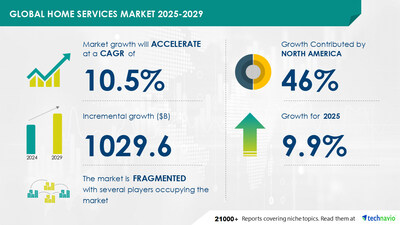
The global home services market is poised for significant growth, with projections indicating an increase of USD 1.03 trillion from 2025 to 2029. This forecasted expansion is attributed to increasing urbanization and the transformative impact of AI on market trends, according to a recent report by Technavio.

Decoding the U.S. Housing Crisis: A Study of Historic Policy Missteps and Demographic Shift

In a revealing study by USC, the roots of the current housing crisis in the United States are traced back to policy missteps and demographic changes that have been unfolding since the early 2000s. The study highlights how these factors have left millennials and people of color disproportionately affected.

Best Real Estate Crowdfunding Platforms for February 2025: Investopedia’s Top Picks

Fundrise stands out for offering investors a chance to diversify their portfolios with real estate exposure through proprietary funds. With a minimum investment as low as $10, it opens doors to beginners and seasoned investors alike.

Top Real Estate Investment Apps of 2025: A Guide for First-Time and Experienced Investors

Business Insider has reviewed a range of platforms available in 2025, focusing on key factors like fees, accessibility for accredited vs. non-accredited investors, and the types of real estate investments offered.