In the ever-evolving world of real estate, property technology is making waves, promising to redefine how we buy, sell, and manage properties. A recent article from Exploding Topics sheds light on the top six proptech trends poised to transform the industry from 2025 to 2028.

First up, eSigning is becoming the norm. The pandemic accelerated the adoption of digital signatures, and the global market is projected to grow at an impressive 41.2% annually from 2024 through 2033. Companies like HelloSign, acquired by Dropbox, and DocuSign, which entered the digital notary space by acquiring LiveOak Technologies, are leading the charge. This shift not only offers flexibility and security but also paves the way for smart contracts on the blockchain, which Deloitte calls “the next big thing in commercial real estate.”

Next, the real estate industry is tapping into proprietary advertising solutions. Platforms like Audience Town and Nextdoor are providing custom solutions to enhance real estate advertising. Audience Town recently secured $2.1 million to expand its platform, while Nextdoor’s hyper-localized campaigns continue to grow, with an IPO on the horizon.

Rental property management and automation are also taking off. Companies like Knock CRM and ManageCasa are automating property management tasks, increasing efficiency for property owners. Knock CRM raised $20 million to expand its SaaS platform, while ManageCasa partnered with Stripe to automate rent payments and property expenses.

Interest in fractional real estate investments is rising, fueled by the success of retail investing platforms. Proptech companies like Republic, Fundrise, and Groundfloor offer low barriers to entry, making real estate investment more accessible to the masses. The global crowdfunding real estate market is expected to skyrocket from $13 billion in 2018 to nearly $870 billion by 2027.

Smart homes are becoming the norm, especially among Gen-Z renters who prioritize smart-home tech over traditional amenities. Companies like Ecobee and SmartRent are leading the charge, with SmartRent raising $60 million to expand its offerings. The household penetration of smart home devices is expected to grow from 52.4% to 75.1% by 2028.

Finally, the rise of iBuyers is reshaping the real estate landscape. Companies like Opendoor, which recently went public via a SPAC IPO, offer quick sales and convenience, appealing to a growing number of sellers. While iBuying currently holds about 1% of the total residential real estate market, it is poised for significant growth in the coming years.

As we look to the future, these proptech trends promise to disrupt the real estate industry, driven by the rapid adoption of digital and automated solutions. For more insights, check out the full article on Exploding Topics.

More Articles

Getting licensed or staying ahead in your career can be a journey—but it doesn’t have to be overwhelming. Grab your favorite coffee or tea, take a moment to relax, and browse through our articles. Whether you’re just starting out or renewing your expertise, we’ve got tips, insights, and advice to keep you moving forward. Here’s to your success—one sip and one step at a time!

Global Capital Is Reshaping Real Estate for 2026

Investors worldwide are redeploying capital, embracing more active deal structures, and expanding into new regions as the 2026 market takes shape. Data centers, revived office demand, and global diversification are driving a major shift—creating fresh opportunities for real estate, mortgage, and finance professionals who understand where capital is heading next.

Florida’s Home Insurance Crisis Hits Breaking Point as Premiums Soar and Claims Go Unpaid

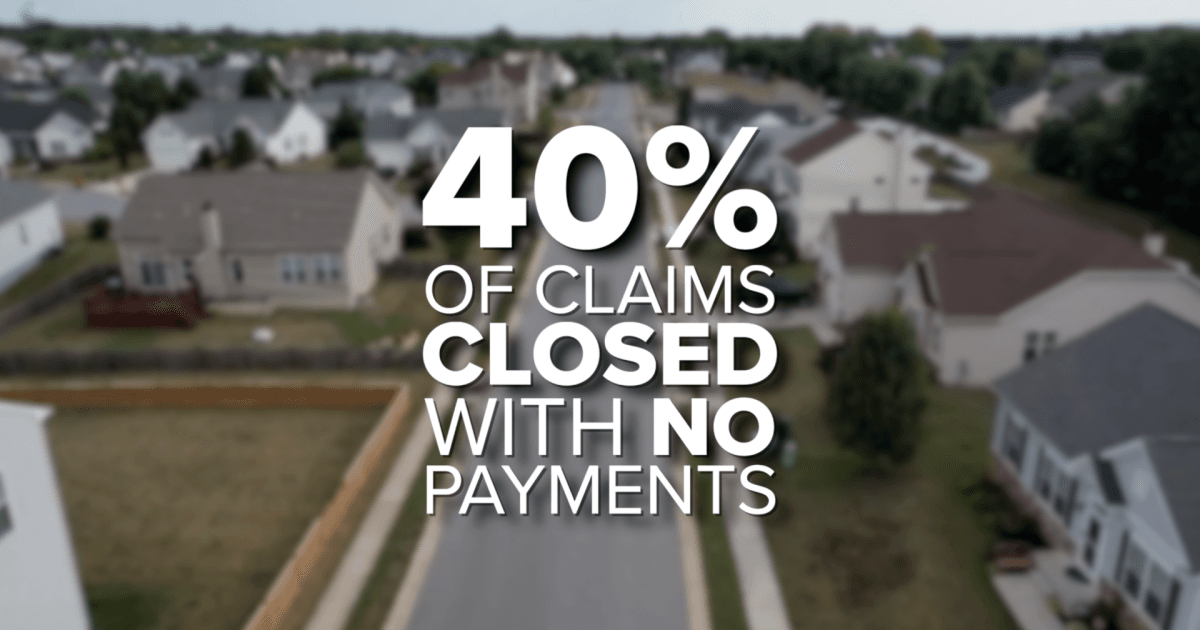
Florida homeowners now pay an average of $5,838 per year for insurance—about $3,000 more than the national average—pushing many families to the financial brink. Residents report premiums tripling, claims being severely underpaid, and insurers dropping policies at one of the highest rates in the country. As frustration mounts, lawmakers and industry experts are calling for sweeping reforms to curb rising costs, increase accountability, and stabilize a market that’s reshaping real estate decisions across the state.

Citizens Insurance Steps Back as Florida’s Private Market Surges

Florida’s insurance market has hit a major turning point. Citizens Property Insurance—once the state’s largest insurer with 1.4 million policies—has shed more than 900,000 policies as private insurers return in force. Driven by Florida’s depopulation program and the arrival of 17 new companies, nearly 200,000 policies shifted to private carriers in October alone, with about 40 percent offering lower premiums. The shift signals rising competition, stabilizing rates, and new opportunities for homeowners and industry professionals navigating Florida’s evolving insurance landscape.

NAR Unveils Biggest MLS Policy Overhaul in 20 Years, Effective 2026

The National Association of REALTORS® has approved 18 major updates to modernize its MLS policies—the largest overhaul in two decades. Announced at NAR NXT in Houston and set to take effect in January 2026, the changes aim to streamline MLS operations, improve enforcement clarity, and better align policies with how today’s real estate professionals actually work.

Inhabit Unveils New AI and Fraud Prevention Tools Transforming Property Management

Inhabit has rolled out a powerful lineup of AI-driven leasing, marketing, fraud prevention, and compliance tools designed to streamline operations and protect property teams from growing risks. From hybrid AI leasing assistants to instant income verification and upcoming portfolio-wide lease audits, these innovations aim to cut costs, eliminate inefficiencies, and strengthen regulatory confidence across the multifamily industry.

Florida’s Insurance System Is Shifting Again—But Are Homeowners Still in the Danger Zone?

Florida’s latest round of insurance reforms was meant to calm a volatile market, yet many experts warn the same deep structural problems remain. Homeowners are being pushed from Citizens into higher‑priced, lightly capitalized private insurers, ratings agencies face scrutiny for inflated grades, and political influence clouds oversight. For real estate and insurance professionals, these trends signal ongoing risk, rising costs, and a market in need of a complete rebuild.