Revolutionizing Real Estate with IoT: A New Era of Smart Homes

The real estate industry is on the brink of a transformation, driven by the integration of the Internet of Things (IoT). This technological advancement is reshaping how buildings operate and enhancing tenant experiences across the globe. According to the original article by Appinventiv, the global smart home market, valued at $80.21 billion in 2022, is projected to soar to $338.28 billion by 2030.


With over 15 billion IoT devices currently in use, a number expected to nearly double to 29 billion, the real estate sector is witnessing unprecedented innovation. IoT applications are seamlessly integrating building operations with tenant experiences, offering convenience, efficiency, and enhanced security in both residential and commercial properties.


Smart Home Innovations

Real-world applications of IoT in real estate are numerous and varied. From Samsung SmartThings to Eve Systems, these innovations are making homes smarter and more efficient. Companies like Shelly are developing advanced automation devices, while Amazon’s smart speakers continue to enhance audio and home automation experiences.


Furthermore, ABB India’s smart switches and Honeywell’s remote thermostat controls are setting new standards in energy efficiency and user convenience. These technologies are not just about comfort; they are pivotal in promoting sustainability and reducing environmental impact.


The Business Benefits of IoT

IoT is revolutionizing real estate by focusing on affordability, safety, and sustainability. According to the CNBC Housing Market Report, the U.S. faces a shortage of over 5 million affordable homes. IoT applications can help bridge this gap by reducing utility costs through customized energy management systems, making housing more affordable.


Safety is another critical area where IoT shines. Smart home technologies enable proactive incident management, quickly identifying dangers such as fires or leaks. This not only reduces property damage but also ensures occupant safety, making IoT an essential component of modern property management.


Looking Ahead

The integration of IoT in real estate is not just a trend; it is the future. As highlighted in the Fortune Business Insights report, the IoT market is expected to grow at an impressive 26% annually, reaching approximately $2.5 trillion by 2029. This growth underscores the massive potential of IoT to enhance tenant satisfaction and redefine property management.


For those interested in the cutting-edge of real estate technology, partnering with companies like Appinventiv can provide modern IoT solutions and smart home integration, paving the way for a more efficient and sustainable future.


As IoT continues to evolve, it promises to deliver not just smarter homes but also a smarter way of living, making the real estate sector more attractive and efficient than ever before.


More Articles

Getting licensed or staying ahead in your career can be a journey—but it doesn’t have to be overwhelming. Grab your favorite coffee or tea, take a moment to relax, and browse through our articles. Whether you’re just starting out or renewing your expertise, we’ve got tips, insights, and advice to keep you moving forward. Here’s to your success—one sip and one step at a time!

How AI Is Transforming Financial Advisors’ Daily Routines in 2026

In 2026, financial advisors are no longer just experimenting with AI — they’re relying on it. Once confined to back-office duties, AI now supports meeting prep, portfolio analysis, and even early-stage financial planning. Advisors say the tech is strengthening client relationships by freeing them from administrative overload, though entry-level roles like paraplanners may feel the squeeze as automation accelerates.

AI Is Outpacing the Mortgage Industry’s Cyber Defenses as Attacks Surge

Cybercriminals are weaponizing AI to launch highly convincing email scams and system breaches across the mortgage industry, overwhelming lenders and servicers whose cybersecurity measures can’t keep up. With major companies already hit and regulation lagging behind, experts warn the sector—now considered critical infrastructure—must rapidly upgrade protections, collaborate on threat intelligence, and improve AI governance before the risks escalate further.

Hidden Housing Costs May Become 2026’s Most Dangerous Budget Buster

Escrow payments are quietly surging across the country as property taxes and insurance premiums spike—pushing many homeowners toward delinquencies and even foreclosure. New data from Cotality shows the sharpest increases hitting the South and Midwest, with Florida among the hardest‑hit states. Even with fixed mortgage rates, rising escrow requirements are driving monthly payments higher and threatening affordability heading into 2026.

Milwaukee’s Commercial Real Estate Market Is Turning the Corner

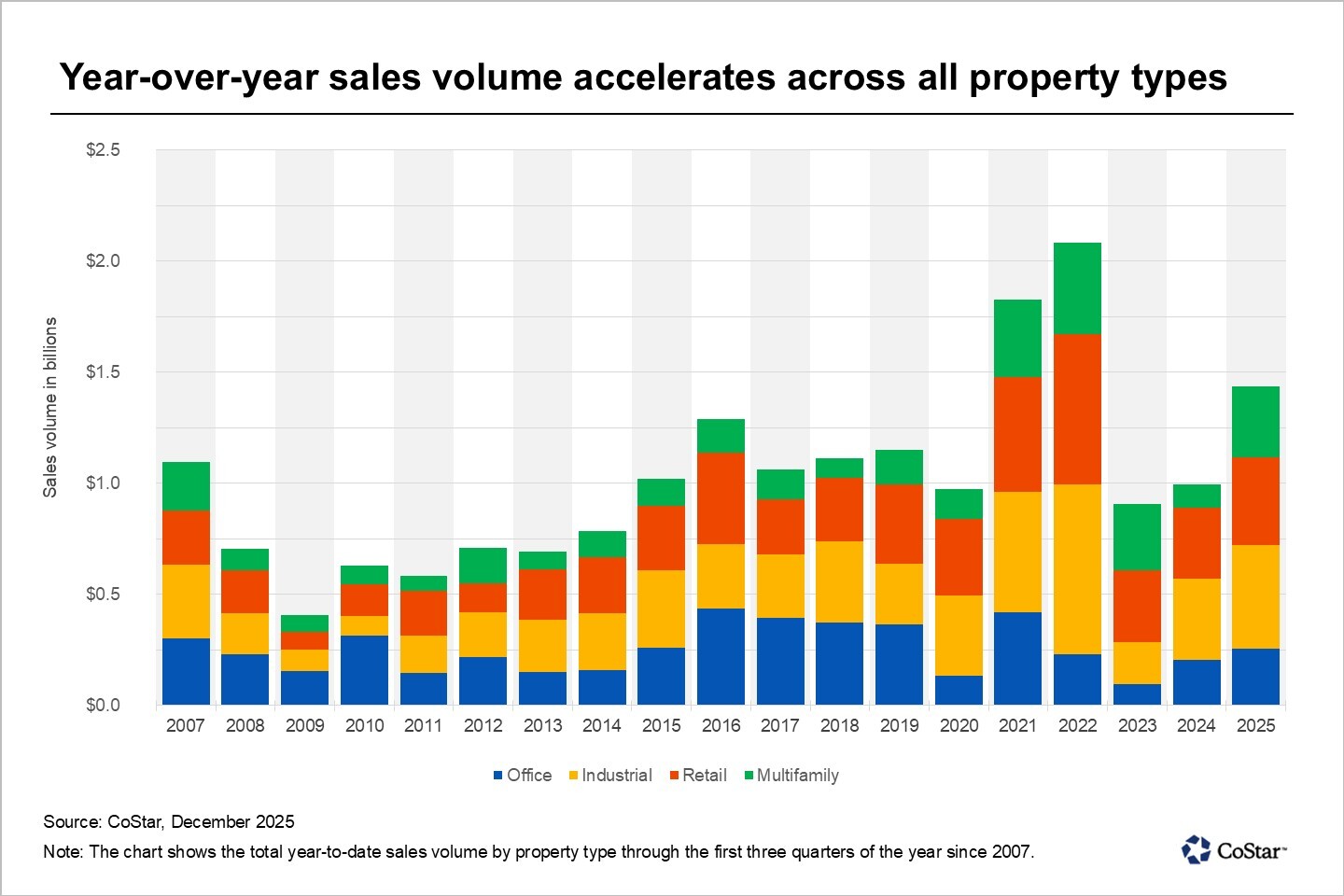
Milwaukee entered 2025 with renewed momentum, posting its strongest commercial real estate sales volume in three years. After a period of uncertainty and high capital costs, investors are returning with a sharper focus on quality assets, realistic pricing, and reliable cash flow. Activity is increasing across industrial, office, multifamily, and retail sectors, signaling a broad-based recovery fueled by stabilizing interest rates and improved market confidence.

Title Insurance Leaders Lean Into Tech, Efficiency, and Resilience for 2026

As 2026 approaches, the title insurance industry is navigating a complex mix of market recovery, rising fraud threats, and sweeping regulatory changes. Industry leaders say the path forward centers on smarter technology, leaner operations, and stronger support for title agents. With AI-driven workflows, enhanced fraud prevention, and new compliance demands—including FinCEN’s expanded Geographic Targeting Orders—companies like Stewart and First American are reshaping how title work gets done. For real estate and mortgage professionals, the year ahead promises more automation, heightened standards, and major opportunities for those who stay ahead of the curve.

Technology and the Future of Real Estate: Innovation Reshaping 2025

The real estate industry is undergoing a major transformation in 2025 as advancements in AI, proptech, blockchain, and data intelligence redefine how properties are marketed, valued, financed, and experienced. From instant digital valuations and immersive virtual tours to tokenized investments and predictive analytics, technology is reshaping every stage of the real estate lifecycle. Professionals who embrace these innovations—while maintaining the human expertise clients still rely on—will lead the next era of the industry.