AI’s Role in Revolutionizing Skin Cancer Diagnosis


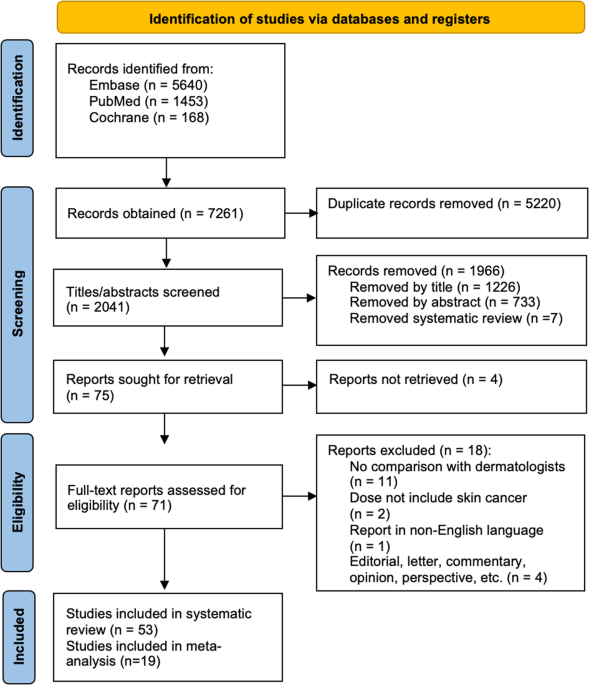
In a groundbreaking study published by Nature on May 14, 2024, researchers have delved into the burgeoning field of artificial intelligence (AI) in dermatology. The systematic review and meta-analysis focus on AI’s efficacy compared to human clinicians in diagnosing skin cancer, a disease that remains the most common neoplasm worldwide.

AI vs. Clinicians: A Comparative Analysis


The study highlights a comprehensive comparison between AI algorithms and human clinicians, including experienced dermatologists and general practitioners. It reveals that AI can match or even surpass specialists in accuracy, particularly in categorizing skin lesions as benign or malignant. This finding underscores AI’s potential to transform dermatological practices by enhancing diagnostic precision.

Augmented Intelligence in Medical Practices


One of the study’s pivotal insights is the concept of ‘augmented intelligence,’ where AI is integrated into medical practices to assist clinicians. This approach is especially beneficial for generalists and non-specialist clinicians, bolstering their diagnostic capabilities. The study suggests that AI’s collaboration with human expertise can lead to improved diagnostic outcomes, particularly in primary care settings.

Broader Trends in Healthcare


The increasing use of AI in dermatology mirrors a broader trend of incorporating advanced technologies in healthcare to enhance diagnostic accuracy. The structured research approach, using systematic reviews and meta-analyses, consolidates evidence from various studies, providing a quantitative assessment of AI’s capabilities in clinical scenarios.

References and Further Reading


For those interested in further exploring the topic, the original article references key studies such as Lakhani et al.’s work on skin cancer screening, Wu et al.’s systematic review on deep learning in skin cancer classification, and Jones et al.’s review of AI and machine learning algorithms for early skin cancer detection. These studies are accessible through their respective publications:

Conclusion


This study marks a significant step towards embracing AI in clinical settings, with the potential to revolutionize how skin cancer is diagnosed and managed. It calls for further real-world studies and randomized clinical trials to fully realize AI’s benefits in healthcare.

More Articles

Getting licensed or staying ahead in your career can be a journey—but it doesn’t have to be overwhelming. Grab your favorite coffee or tea, take a moment to relax, and browse through our articles. Whether you’re just starting out or renewing your expertise, we’ve got tips, insights, and advice to keep you moving forward. Here’s to your success—one sip and one step at a time!

Is Florida’s Booming Real Estate Market Becoming Unaffordable?

Florida is facing a real estate crisis marked by skyrocketing insurance premiums, stringent FEMA rules, and a surge in hedge fund property acquisitions.

By |November 14, 2024|Categories: Article, Finance/Economy, Real Estate|Tags: , |0 Comments

Revolutionizing Cancer Therapy: The Promise of Patient-Derived Organoids

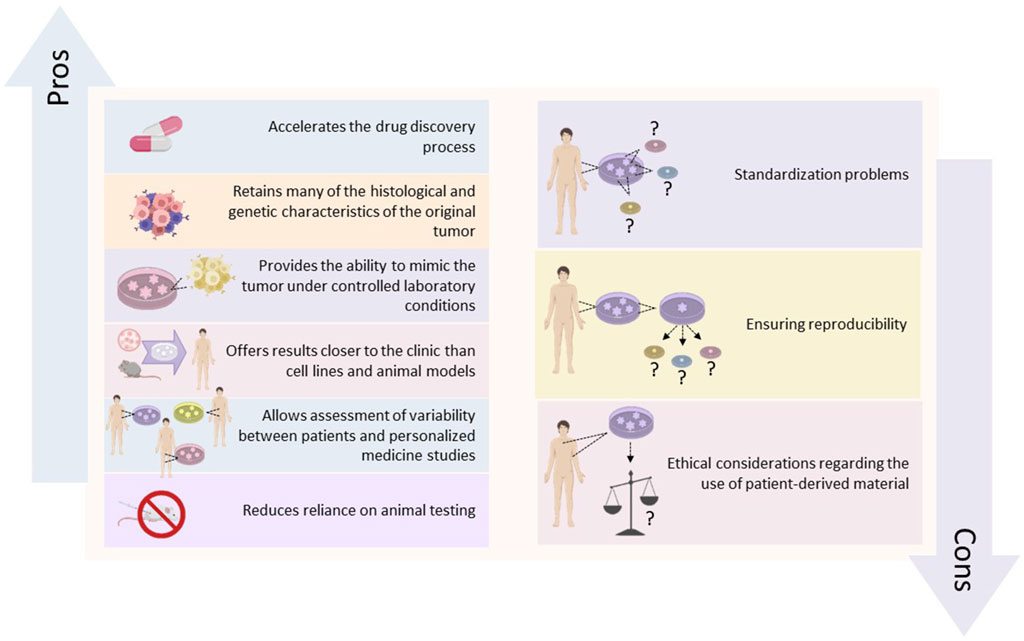
Patient-derived organoids offer an unprecedented opportunity to replicate the complex structure and genetic makeup of cancers, providing a more accurate model for clinical drug screening and pharmacognostic assessment.

The AI Revolution in Dermatology: A Systematic Review

In a groundbreaking study published in Nature, researchers have delved into the burgeoning field of artificial intelligence (AI) in dermatology, specifically examining its role in diagnosing skin cancer. The study, titled "A Systematic Review and Meta-Analysis of Artificial Intelligence Versus Clinicians for Skin Cancer Diagnosis," offers a comprehensive look at how AI stacks up against human clinicians in this critical area of healthcare.

By |November 14, 2024|Categories: AI in Healthcare, Article, Dermatology|Tags: , |0 Comments

The Fast Lane to Fully Autonomous Vehicles: Industry Innovations and Future Prospects

The automotive world is abuzz with announcements from major players like Tesla, Rimac, Renault, and Nissan, each unveiling plans to introduce autonomous vehicles in the near future. Tesla's much-anticipated "CyberCab" is set for an October 2024 debut, while Rimac and Renault are gearing up for releases in 2026.

Futureproofing for Insurers: The Role of AI and Hyper-Personalization

In a rapidly evolving industry, insurance companies are turning to artificial intelligence (AI) and hyper-personalization to stay ahead of the curve.

Revolutionizing Healthcare: The Power and Potential of AI

AI technology offers a multitude of benefits, from enhancing patient outcomes to reducing healthcare costs and improving population health. Its application ranges from preventive screenings to complex diagnostic procedures, marking a new era in medical care.

By |November 13, 2024|Categories: Article, Artificial Intelligence, Healthcare|Tags: , |0 Comments