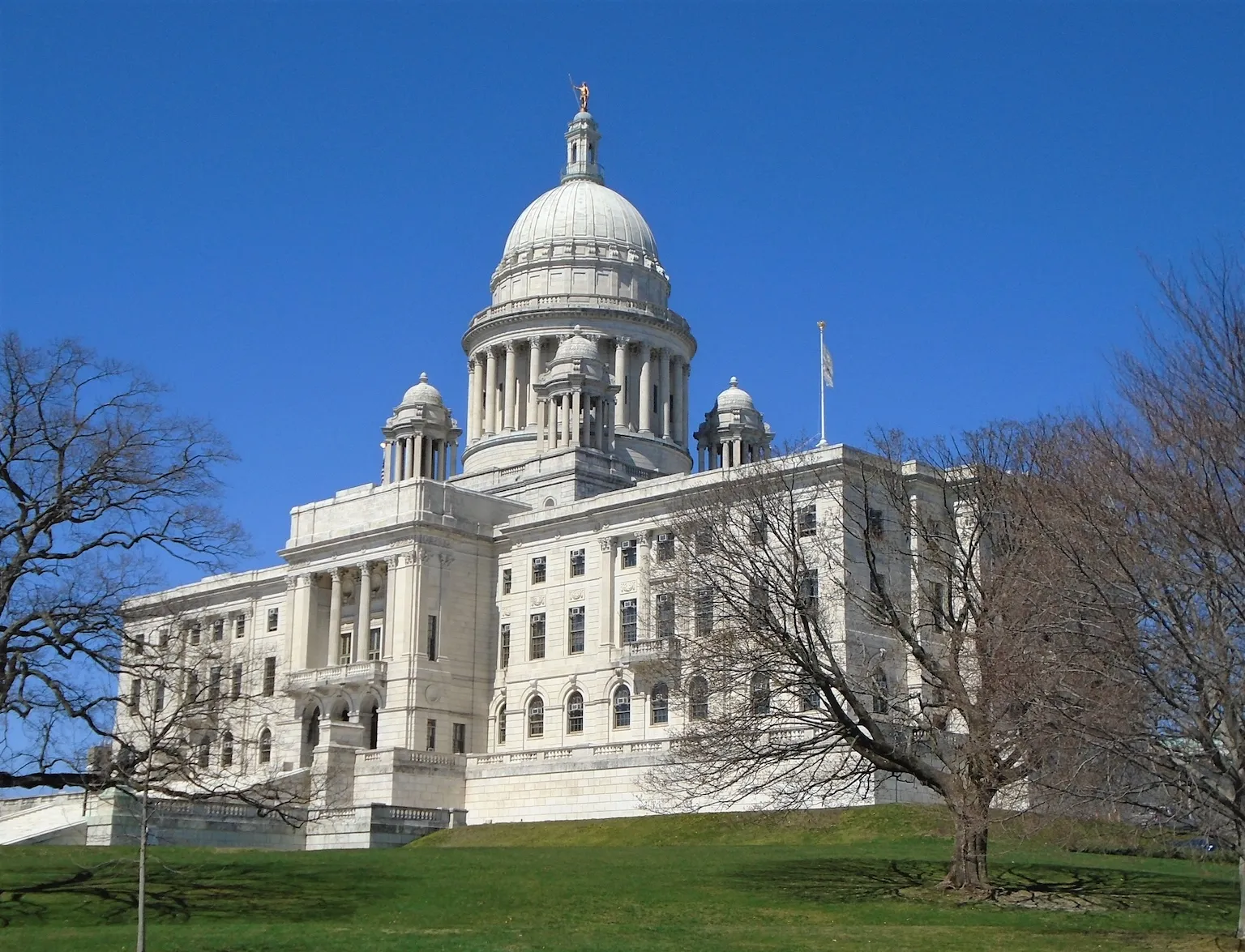
Rhode Island Pushes New Housing Solutions With a Bold Legislative Package
Rhode Island is rolling out another major attempt to boost housing affordability, tackling issues that have troubled communities nationwide. This sixth legislative package aims at zoning reform, code updates, lot splits, and even reviving once controversial housing types such as single room occupancy units and modern co living spaces. As the smallest state in the U.S. continues to face a major shortage of homes, lawmakers believe these new measures could help meaningfully expand supply in built out cities and towns.
A State Still Playing Catch Up
House Speaker Joseph Shekarchi highlighted that Rhode Island has passed more than 60 new housing laws in recent years. These laws have already spurred a 70 percent increase in building permits in 2023, the highest since the Great Recession. Even with progress, he emphasized the reality that Rhode Island spent years ranking last in new housing starts, and the state is still working hard to recover.
Chronic underbuilding pushed Rhode Island vacancy rates to rock bottom. Today, a median home price around 500,000 dollars puts ownership out of reach for many locals. Renters face major challenges as well, with many households paying well above 30 percent of their income just to stay housed. Competition for any decent listing remains intense, and longtime residents are being priced out by higher earning buyers.
The ROOM Act and the Return of Co Living
One of the most notable proposals in this package is the ROOM Act, introduced by State Rep. June Speakman. This bill relegalizes single room occupancy and co living housing, providing new lower cost choices for residents. The act defines co living arrangements, standardizes occupancy agreements, and requires municipalities to allow co living by right in any zone that already permits residential use.
The legislation also limits local barriers such as excessive parking rules or restrictive design standards. Cities that fail to comply by January 1, 2027, could face lawsuits and be responsible for attorneys fees.
Rhode Island lawmakers are also weighing additional reforms that could unlock new development opportunities. These include expanding by right lot splits in areas with water and sewer, capping parking requirements near transit, and updating building codes to allow single staircase apartment buildings up to four stories. The state is additionally exploring ways to convert vacant municipal buildings, including unused schools, into new housing without heavy procedural delays.
Did you know?
Similar zoning and transit oriented reforms have already been adopted in states like California, Colorado, and Illinois. Rhode Island is now positioning itself among a growing list of states advancing modular, flexible housing policy.
Will These Changes Deliver Results?
Local resistance remains the biggest question mark. While Rhode Island has faced less pushback than many states, zoning and land use changes often trigger concerns about local control. At the same time, Providence is weighing a separate proposal to cap rent increases at 4 percent annually, creating another layer in the debate around pricing and affordability.
Why This Matters for Real Estate Professionals
These reforms can reshape local inventory, increase development opportunities, and create new business pathways for agents, brokers, builders, and property managers. Anyone working in real estate will need to stay informed as the state updates zoning laws, occupancy rules, and development standards.
For students and professionals preparing for licensing exams or seeking continuing education, understanding how policy shapes the market is essential. Cameron Academy stays focused on making these complex topics clear and accessible so future agents and industry experts can navigate evolving housing landscapes with confidence.
As Rhode Island pushes forward with bold housing changes, one thing is certain: the conversation around affordability, zoning, and innovative housing models is far from over, and real estate professionals will play a key role in what comes next.
More Articles
Getting licensed or staying ahead in your career can be a journey—but it doesn’t have to be overwhelming. Grab your favorite coffee or tea, take a moment to relax, and browse through our articles. Whether you’re just starting out or renewing your expertise, we’ve got tips, insights, and advice to keep you moving forward. Here’s to your success—one sip and one step at a time!
Illinois kicked off the new year with more than 200 laws taking effect, impacting professionals across healthcare, insurance, real estate, education, and other regulated industries. From major healthcare coverage expansions to new AI hiring limits, enhanced worker protections, school safety reforms, and upgraded public‑safety standards, nearly every sector will see meaningful changes. As compliance expectations grow, institutions like Cameron Academy help professionals stay prepared and career‑ready in an evolving regulatory landscape.
As commercial real estate moves beyond two turbulent years, 2026 is emerging as a year of growth for professionals who know where to look. According to First American economist Xander Snyder, the biggest wins may come not from booming sectors but from distressed properties—especially those with short‑term issues that can recover with creative financing, recapitalization, or strategic repositioning. Multifamily distress, selective office restructuring, and the rise of non‑QM lending are setting the stage for brokers, investors, and new licensees to capitalize on flexible deal‑making and evolving market conditions.
Housing is taking over the national spotlight in 2026, with federal leaders, big‑city mayors, and market professionals all zeroing in on affordability, supply, and sweeping policy changes. From President Trump’s promised reform agenda to looming Section 8 funding risks and aggressive city‑level zoning overhauls, the year is shaping up to be one of the most consequential periods for real estate and related licensed professions. For agents, mortgage brokers, insurance specialists, and anyone tied to the housing ecosystem, rapid shifts in policy and market conditions make 2026 a year where preparation, education, and adaptability will be essential.
A lender wires $4.2 million after receiving what sounded like a routine call from a borrower’s attorney—same voice, same tone, same mannerisms. By morning, the truth emerges: the email was hacked, the phone call was an AI‑generated voice clone, and the money is gone. As scammers use AI to mimic voices, emails, and documents with startling accuracy, real estate finance has become a prime target. The industry’s growing reliance on AI brings efficiency, but also dangerous new vulnerabilities, pushing regulators, insurers, and professionals to rethink verification, security, and trust itself.
A new wave of migration is changing the shape of commercial real estate as Americans trade costly metros for more affordable, lifestyle-friendly regions. Smaller Southern and mid‑Atlantic markets are gaining momentum, while pandemic boom states like Florida, Texas, and Arizona are now leveling off. These shifts are influencing demand for housing, retail, office parks, warehouses, and even self‑storage, signaling both fresh opportunities and heightened caution for investors and real estate professionals.
Florida is gearing up for a potential overhaul of its property tax system, with lawmakers pushing proposals that could dramatically reduce or even eliminate property taxes by 2026. Homeowners facing rising bills welcome the idea, but city and county leaders warn it could cripple essential services like police, fire response, and local infrastructure. As political tensions escalate — including accusations of overspending and sharp pushback from local officials — real estate professionals should prepare for major market impacts if reforms move forward.