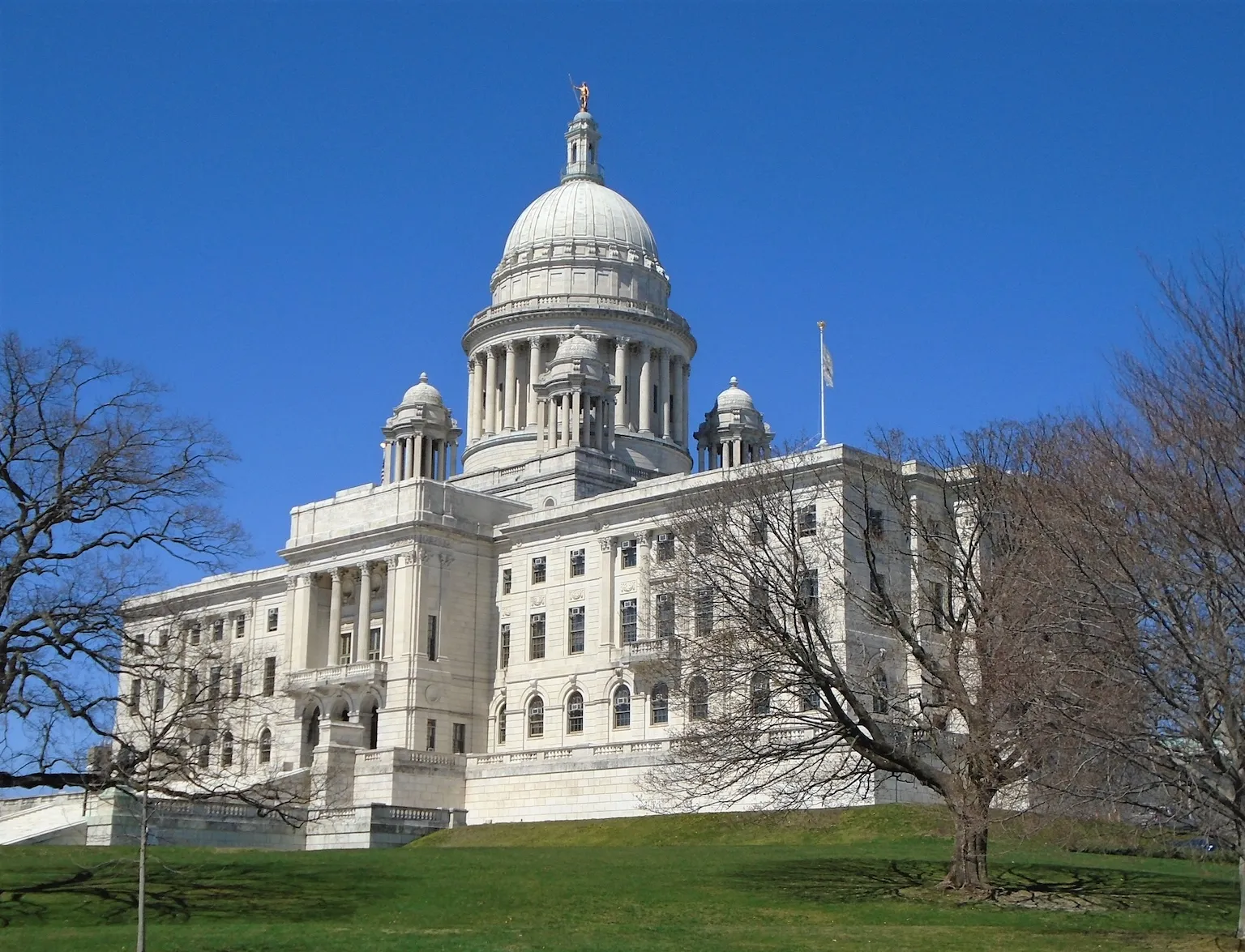
Rhode Island Pushes New Housing Solutions With a Bold Legislative Package
Rhode Island is rolling out another major attempt to boost housing affordability, tackling issues that have troubled communities nationwide. This sixth legislative package aims at zoning reform, code updates, lot splits, and even reviving once controversial housing types such as single room occupancy units and modern co living spaces. As the smallest state in the U.S. continues to face a major shortage of homes, lawmakers believe these new measures could help meaningfully expand supply in built out cities and towns.
A State Still Playing Catch Up
House Speaker Joseph Shekarchi highlighted that Rhode Island has passed more than 60 new housing laws in recent years. These laws have already spurred a 70 percent increase in building permits in 2023, the highest since the Great Recession. Even with progress, he emphasized the reality that Rhode Island spent years ranking last in new housing starts, and the state is still working hard to recover.
Chronic underbuilding pushed Rhode Island vacancy rates to rock bottom. Today, a median home price around 500,000 dollars puts ownership out of reach for many locals. Renters face major challenges as well, with many households paying well above 30 percent of their income just to stay housed. Competition for any decent listing remains intense, and longtime residents are being priced out by higher earning buyers.
The ROOM Act and the Return of Co Living
One of the most notable proposals in this package is the ROOM Act, introduced by State Rep. June Speakman. This bill relegalizes single room occupancy and co living housing, providing new lower cost choices for residents. The act defines co living arrangements, standardizes occupancy agreements, and requires municipalities to allow co living by right in any zone that already permits residential use.
The legislation also limits local barriers such as excessive parking rules or restrictive design standards. Cities that fail to comply by January 1, 2027, could face lawsuits and be responsible for attorneys fees.
Rhode Island lawmakers are also weighing additional reforms that could unlock new development opportunities. These include expanding by right lot splits in areas with water and sewer, capping parking requirements near transit, and updating building codes to allow single staircase apartment buildings up to four stories. The state is additionally exploring ways to convert vacant municipal buildings, including unused schools, into new housing without heavy procedural delays.
Did you know?
Similar zoning and transit oriented reforms have already been adopted in states like California, Colorado, and Illinois. Rhode Island is now positioning itself among a growing list of states advancing modular, flexible housing policy.
Will These Changes Deliver Results?
Local resistance remains the biggest question mark. While Rhode Island has faced less pushback than many states, zoning and land use changes often trigger concerns about local control. At the same time, Providence is weighing a separate proposal to cap rent increases at 4 percent annually, creating another layer in the debate around pricing and affordability.
Why This Matters for Real Estate Professionals
These reforms can reshape local inventory, increase development opportunities, and create new business pathways for agents, brokers, builders, and property managers. Anyone working in real estate will need to stay informed as the state updates zoning laws, occupancy rules, and development standards.
For students and professionals preparing for licensing exams or seeking continuing education, understanding how policy shapes the market is essential. Cameron Academy stays focused on making these complex topics clear and accessible so future agents and industry experts can navigate evolving housing landscapes with confidence.
As Rhode Island pushes forward with bold housing changes, one thing is certain: the conversation around affordability, zoning, and innovative housing models is far from over, and real estate professionals will play a key role in what comes next.
Select options
This product has multiple variants. The options may be chosen on the product page
Details
More Articles
Getting licensed or staying ahead in your career can be a journey—but it doesn’t have to be overwhelming. Grab your favorite coffee or tea, take a moment to relax, and browse through our articles. Whether you’re just starting out or renewing your expertise, we’ve got tips, insights, and advice to keep you moving forward. Here’s to your success—one sip and one step at a time!
While most people chase AI stocks or compete for high‑pressure tech jobs, the real opportunity may be unfolding in AI boomtown real estate. As companies like OpenAI, Anthropic, Microsoft, and NVIDIA mint new waves of wealthy workers, demand for housing in key cities is exploding. From San Francisco to Austin, AI‑driven markets are seeing rising rents, limited inventory, and buyers preparing for massive IPO windfalls. For real estate professionals—or anyone entering the field—this surge represents one of the strongest long‑term opportunities in the industry.
Florida is ending its 1 percent emergency insurance surcharge two years ahead of schedule, saving homeowners an estimated 650 million dollars through 2028. Thanks to a calm hurricane season, fewer insurer failures, and reduced lawsuits, officials say the state’s property insurance market is now in its strongest financial position in a decade. The change offers relief for homeowners and new momentum for Florida’s real estate industry, where lower insurance costs can boost buyer confidence and support smoother transactions.
A growing political push to block institutional investors from buying single-family homes may sound like a pro-homeowner policy, but the data shows it could do the opposite. Younger and racially diverse renters rely heavily on single-family rentals as an affordable, stable alternative to buying—yet restricting investor participation would shrink this supply, pushing many families into overcrowded housing, motels, or homelessness. The real issue isn’t who buys the homes, but that America doesn’t have enough of them.
Zillow’s 2026 Agent Trends Survey reveals a major shift in what agents value most: technology that reduces mental drain. Nearly half of agents now use AI tools daily, yet most still juggle multiple platforms that sap their focus. Zillow’s upcoming unified platform, Zillow Pro, aims to streamline workflows and cut cognitive load. The survey also highlights key industry trends, including buyer financial literacy gaps, the importance of relationships for lead generation and the growing need for tech fluency among both new and seasoned real estate professionals.
Florida’s housing market is still surging, with luxury enclaves like Lake Buena Vista, Jupiter Island, and Golden Beach seeing massive six‑figure price jumps in just one year. Smaller towns such as Old Town, Cross City, and Hosford also posted steady gains, proving demand is rising statewide. For real estate professionals, these trends highlight where buyers are moving, where inventory is tight, and where future opportunities lie—making market literacy an essential advantage for anyone pursuing or expanding a career in Florida real estate.
Rhode Island is launching its sixth major housing reform package, aiming to boost affordability through zoning updates, lot splits, code changes, and the revival of single room occupancy and co‑living housing. With the state still recovering from years of underbuilding and soaring home prices, lawmakers hope these reforms will unlock new supply, ease pressure on renters and buyers, and create fresh opportunities for real estate professionals.