Rhode Island Pushes New Housing Solutions With a Bold Legislative Package
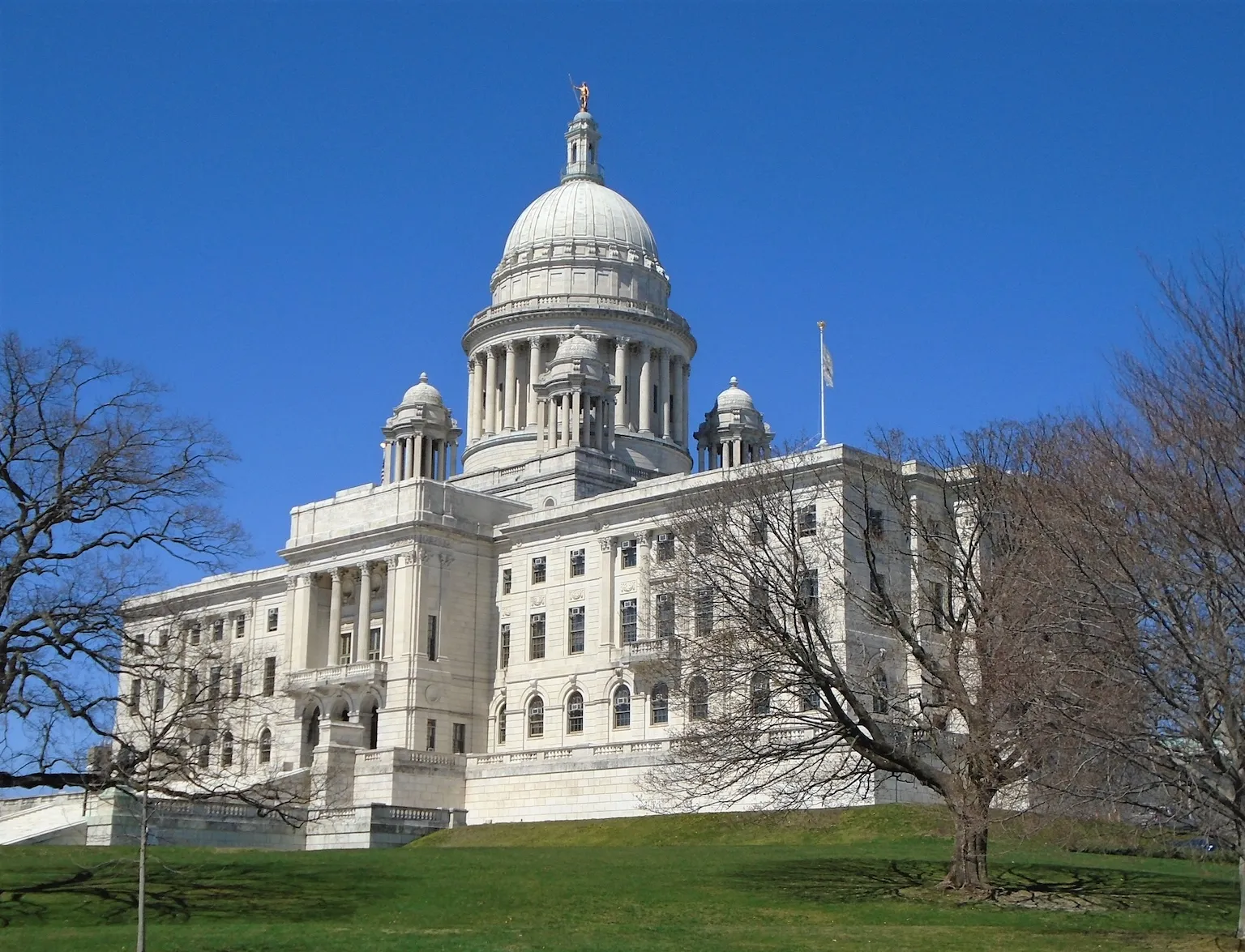
Rhode Island is rolling out another major attempt to boost housing affordability, tackling issues that have troubled communities nationwide. This sixth legislative package aims at zoning reform, code updates, lot splits, and even reviving once controversial housing types such as single room occupancy units and modern co living spaces. As the smallest state in the U.S. continues to face a major shortage of homes, lawmakers believe these new measures could help meaningfully expand supply in built out cities and towns.
A State Still Playing Catch Up
House Speaker Joseph Shekarchi highlighted that Rhode Island has passed more than 60 new housing laws in recent years. These laws have already spurred a 70 percent increase in building permits in 2023, the highest since the Great Recession. Even with progress, he emphasized the reality that Rhode Island spent years ranking last in new housing starts, and the state is still working hard to recover.
Chronic underbuilding pushed Rhode Island vacancy rates to rock bottom. Today, a median home price around 500,000 dollars puts ownership out of reach for many locals. Renters face major challenges as well, with many households paying well above 30 percent of their income just to stay housed. Competition for any decent listing remains intense, and longtime residents are being priced out by higher earning buyers.
The ROOM Act and the Return of Co Living
One of the most notable proposals in this package is the ROOM Act, introduced by State Rep. June Speakman. This bill relegalizes single room occupancy and co living housing, providing new lower cost choices for residents. The act defines co living arrangements, standardizes occupancy agreements, and requires municipalities to allow co living by right in any zone that already permits residential use.
The legislation also limits local barriers such as excessive parking rules or restrictive design standards. Cities that fail to comply by January 1, 2027, could face lawsuits and be responsible for attorneys fees.
Rhode Island lawmakers are also weighing additional reforms that could unlock new development opportunities. These include expanding by right lot splits in areas with water and sewer, capping parking requirements near transit, and updating building codes to allow single staircase apartment buildings up to four stories. The state is additionally exploring ways to convert vacant municipal buildings, including unused schools, into new housing without heavy procedural delays.
Did you know?
Similar zoning and transit oriented reforms have already been adopted in states like California, Colorado, and Illinois. Rhode Island is now positioning itself among a growing list of states advancing modular, flexible housing policy.
Will These Changes Deliver Results?
Local resistance remains the biggest question mark. While Rhode Island has faced less pushback than many states, zoning and land use changes often trigger concerns about local control. At the same time, Providence is weighing a separate proposal to cap rent increases at 4 percent annually, creating another layer in the debate around pricing and affordability.
Why This Matters for Real Estate Professionals
These reforms can reshape local inventory, increase development opportunities, and create new business pathways for agents, brokers, builders, and property managers. Anyone working in real estate will need to stay informed as the state updates zoning laws, occupancy rules, and development standards.
For students and professionals preparing for licensing exams or seeking continuing education, understanding how policy shapes the market is essential. Cameron Academy stays focused on making these complex topics clear and accessible so future agents and industry experts can navigate evolving housing landscapes with confidence.
As Rhode Island pushes forward with bold housing changes, one thing is certain: the conversation around affordability, zoning, and innovative housing models is far from over, and real estate professionals will play a key role in what comes next.
More Articles
Getting licensed or staying ahead in your career can be a journey—but it doesn’t have to be overwhelming. Grab your favorite coffee or tea, take a moment to relax, and browse through our articles. Whether you’re just starting out or renewing your expertise, we’ve got tips, insights, and advice to keep you moving forward. Here’s to your success—one sip and one step at a time!
Just 48 hours after NAR unveiled major revisions to its MLS policies, plaintiffs in the Michigan-based Hardy lawsuit moved to use those changes as evidence, arguing they prove NAR’s prior rules were anticompetitive. NAR denies any wrongdoing, but the case is quickly becoming a key test for whether MLS access should require Realtor membership — a question now echoing across multiple states and potentially reshaping how real estate professionals nationwide access the industry’s most essential tool.
Florida homeowners are now paying some of the highest insurance premiums in the country, with average costs topping $5,800 per year—nearly double the national average. Residents report skyrocketing rates, denied claims, and tough choices between costly coverage and financial risk. As frustration grows, lawmakers and consumer advocates are pushing new reforms aimed at increasing transparency, capping rate hikes, and protecting policyholders in one of the nation’s most volatile insurance markets.
Economic uncertainty, rapid AI adoption, tighter capital flows, and rising portfolio risk are reshaping the 2026 commercial real estate landscape. From shifting workforce patterns to a national housing attainability crisis, the industry is entering a data‑driven, fundamentals‑focused era—making adaptability, education, and tech literacy essential for real estate professionals.
Mortgage rates have climbed to 6.23 percent as investors grow doubtful that the Federal Reserve will deliver a rate cut in December. A soft but unclear jobs report and persistent inflation have pushed borrowing costs higher, reversing October’s brief relief in the housing market. Real estate and mortgage professionals should prepare clients for continued volatility as the Fed’s December meeting approaches.
After years of tight inventory, high mortgage rates, and sluggish sales, economists say 2026 is shaping up to be the turnaround real estate professionals have been waiting for. NAR projects a 14 percent jump in home sales, mortgage rates easing toward 6 percent, and buyer demand finally gaining momentum. While higher‑end homes are moving quickly, first‑time buyers continue to face affordability challenges, and price reductions are reappearing as sellers adjust to shifting conditions. For Florida agents, brokers, and newcomers, the stage is being set for a busy and opportunity‑rich year.
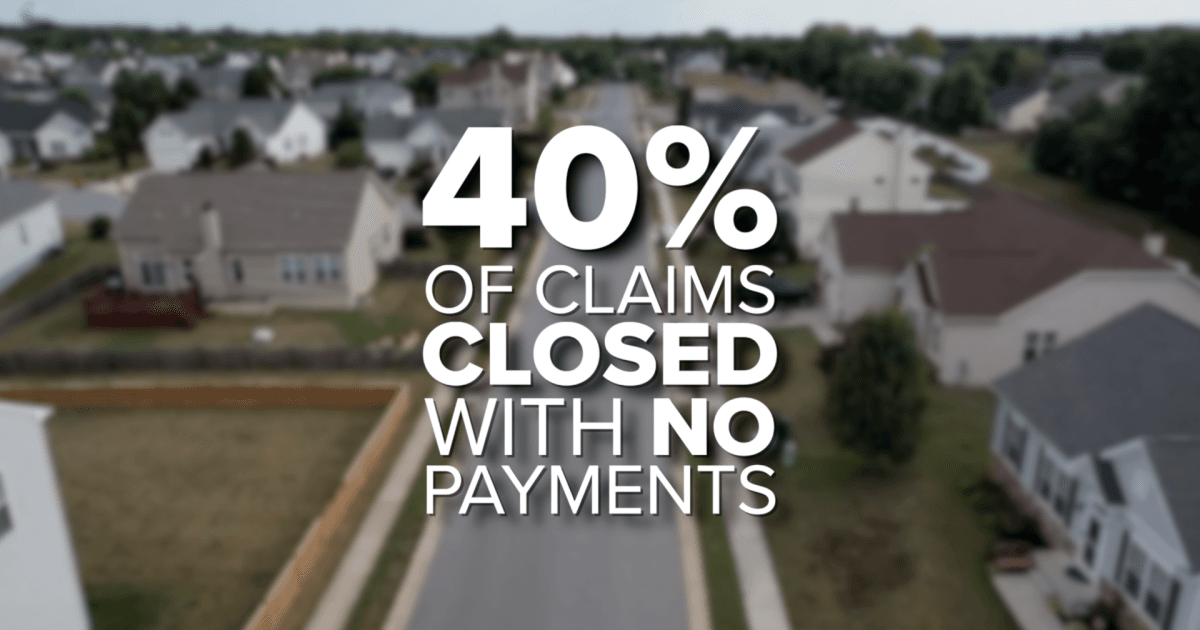
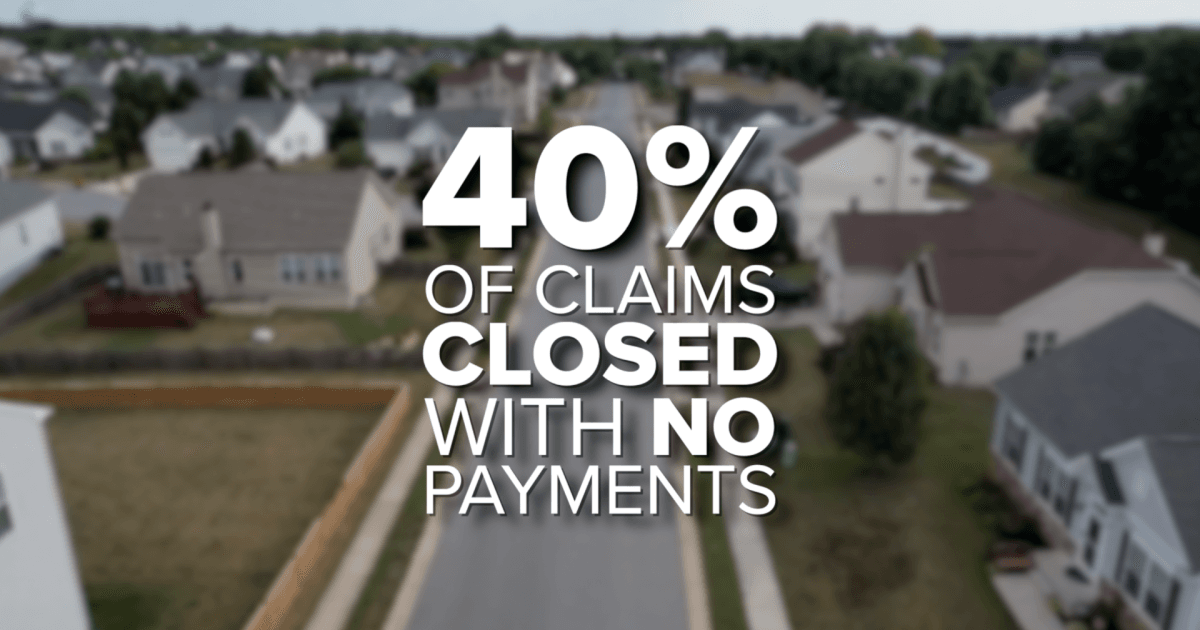
Florida’s average homeowner insurance premium has soared to $5,838 a year—almost $3,000 above the national average—pushing many residents to the financial brink. From tripled premiums to lowball claim payouts, homeowners are speaking out as frustration mounts. Some are even dropping coverage entirely. With more than 40% of claims closed without payment and policy cancellations at record levels, lawmakers are pushing for reforms, but political hurdles remain. The outcome could reshape Florida real estate, insurance, and mortgage markets for years to come.