Rising Costs, Slowing Premiums: Why AM Best Predicts a Tougher 2026 for the P/C Insurance Market

Insurance financial analysis

After a relatively strong 2025 for the property/casualty insurance sector, AM Best is signaling a shift. According to new analysis reported by Insurance Journal, the industry may be facing a more challenging 2026 driven by slowing premium growth, inflationary pressure, and rising claims costs.

Premium Growth Slows as Rates Plateau

The momentum seen in 2025—supported by strong investment income and previous rate hikes—is starting to cool. AM Best’s latest industry report forecasts slowing net premium growth across many lines in 2026. This softening trend is expected to push the industry’s combined ratio up by 1.9 points to 96.9.

From cyber to D&O to commercial property, renewal pricing softened throughout 2025—and the trend appears likely to continue. Even workers’ compensation, traditionally a stable performer, saw its premium growth moderate last year.

Inflation Hits Claims Costs Hard

Jacqalene Lentz, Senior Director at AM Best, notes that rising prices for construction materials, auto parts, and commercial repair costs are pushing loss ratios higher. These macroeconomic pressures are cutting into the cushion insurers regained in 2025.

Even personal lines—which benefited from rate approvals and tech‑driven underwriting improvements—may feel pressure again in 2026. Higher auto fatality rates and increasing repair costs remain persistent challenges.

Commercial Lines Feel the Strain

Commercial lines are projected to reach a combined ratio of 96.3 in 2026—slightly worse than 2025’s 95.8. Auto, medical professional liability, and products liability each recorded combined ratios over 100 in 2025, indicating underwriting losses and ongoing stress.

Reserves: A Persistent Risk

AM Best’s re‑estimation of ultimate reserves revealed a $9 billion deficiency for year‑end 2024. While improved from earlier projections, reserve adequacy remains a major concern—and one of the clearest indicators of long‑term company solvency.

E&S Market Continues to Shine

As admitted carriers tightened underwriting or stepped away from volatile classes such as property and high‑hazard liability, the excess & surplus (E&S) market absorbed the overflow. AM Best calls this shift one of the defining forces of 2025—a trend expected to influence 2026 as well.

What This Means for Insurance Professionals

Whether you’re licensed or exploring a path into the industry, these shifts highlight the importance of staying skilled, informed, and adaptable. A year of flatter rate changes and rising claims severity means professionals will need sharper analysis, stronger risk‑evaluation skills, and a deep understanding of evolving market pressures.

If you’re considering entering or advancing within the insurance field, Cameron Academy provides flexible, career‑focused licensing programs designed to help professionals stay ahead of market changes and elevate their expertise.

To dive deeper into the original reporting, visit the full article on Insurance Journal.

More Articles

Getting licensed or staying ahead in your career can be a journey—but it doesn’t have to be overwhelming. Grab your favorite coffee or tea, take a moment to relax, and browse through our articles. Whether you’re just starting out or renewing your expertise, we’ve got tips, insights, and advice to keep you moving forward. Here’s to your success—one sip and one step at a time!

Why Today’s High Mortgage Rates Matter More Than Ever for the Housing Market

A growing share of American homeowners now carry mortgage rates above 5%—a dramatic shift that’s reshaping refinancing, inventory, and buyer behavior nationwide. With more than 30% of borrowers locked into rates over 5% and 20% above 6%, the market is split between owners holding on to low pandemic‑era loans and new buyers taking on higher‑rate mortgages. Federal efforts to push rates down could unlock millions of refinancing opportunities, while buyers see only modest monthly savings. For real estate professionals, understanding these rate dynamics is crucial as they increasingly drive inventory levels, affordability, and market activity.

CRE Deal Volume Dips in December, but Office Sector Stages an Unexpected Comeback

New Moody’s data shows commercial real estate deal volume slipped 20% in December, marking a second monthly decline. Yet the full year tells a different story: 2025 ended with a 17% gain, signaling a quiet but resilient recovery. The biggest surprise came from the office sector, which posted a 21% jump in activity as return‑to‑office trends and AI‑driven job growth boosted demand. Multifamily, retail, and alternative assets like data centers also saw strong momentum, giving real estate professionals a market full of fresh opportunities heading into 2026.

Florida Kicks Off 2026 With Major Auto Insurance Rate Cuts and Market Stability

Florida drivers and industry professionals are heading into 2026 with good news: auto insurance rates are dropping across the state as the market shows strong signs of stabilization. USAA leads the latest wave with a 7% average rate decrease expected in May 2026, saving members more than $125 million annually. They join several major insurers — including State Farm, Progressive, AAA, Allstate, and Florida Farm Bureau — all approving significant reductions. Officials credit recent legislative reforms, especially tort reform, for the improved loss ratios and renewed insurer confidence. With both auto and home insurance markets strengthening, Florida’s real estate, mortgage, and insurance professionals can expect more consumer confidence, smoother transactions, and expanding career opportunities.

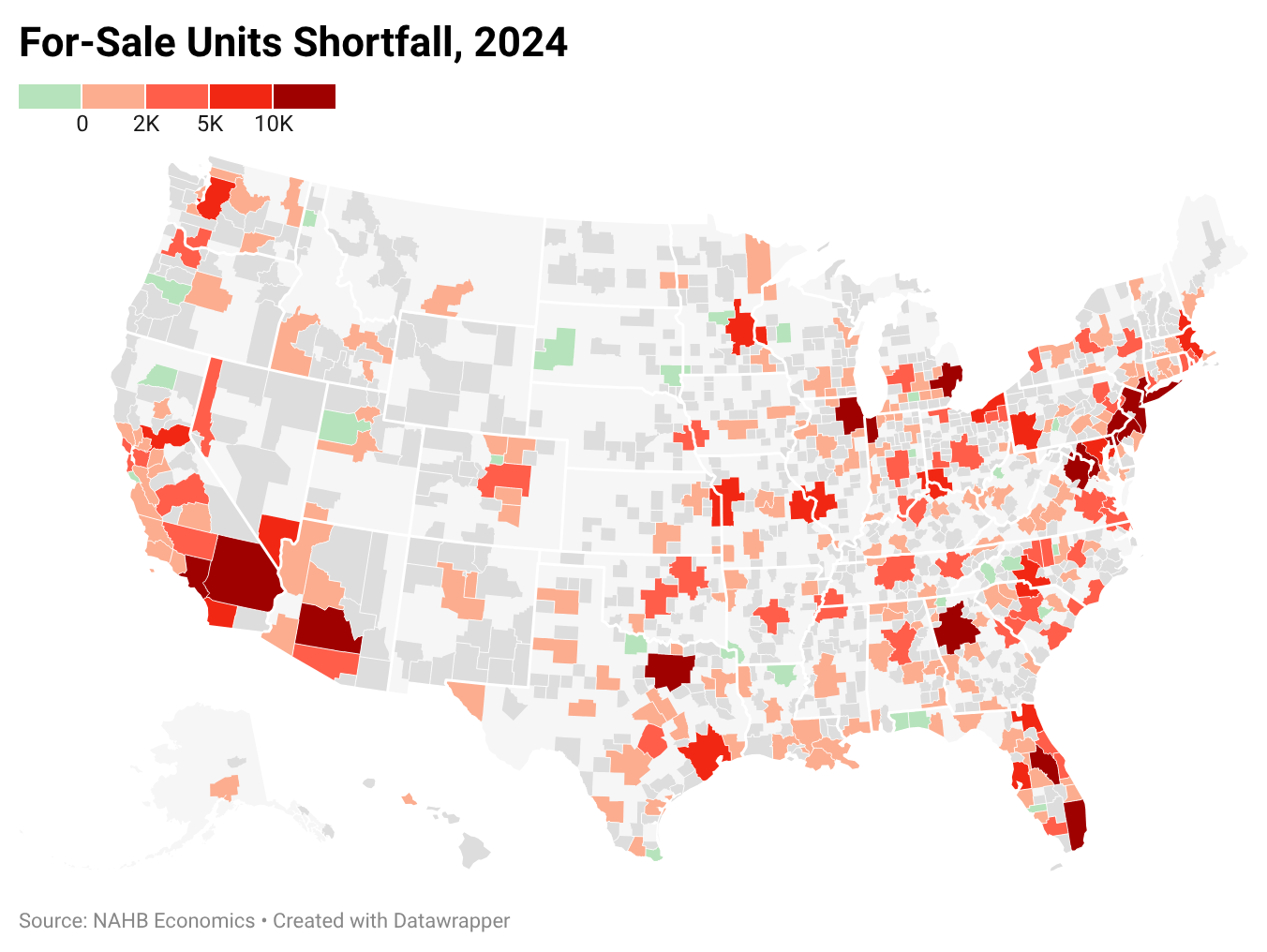
The 2024 Housing Shortage: Why America Is Still 1.2 Million Homes Behind

New data from Eye On Housing and the NAHB shows the U.S. remains short more than 1.2 million housing units, keeping pressure on both rents and home prices. Record‑low vacancy rates, slow single‑family construction, and restrictive zoning continue to fuel intense competition in 2024. Major metros like Chicago, New York, and Atlanta face some of the deepest deficits, and the true nationwide shortfall may be even higher when accounting for overcrowding and aging homes. For real estate professionals, the ongoing shortage means sustained demand, tighter inventory, and major opportunities for those who understand the evolving market.

AI Isn’t the Shiny Object Anymore — It’s the New System Driving Real Estate Success

Top real estate coach Jason Pantana says the divide between agents today isn’t about who has “tried” AI — it’s about who is immersed in it. In a new HousingWire interview, he explains why AI isn’t a gimmick but a full business system that amplifies output, improves authenticity, and reshapes how clients search for agents. From prompt mastery to AI‑driven visibility on Google, Pantana reveals how agents who commit even 15 minutes a day to learning AI are already outperforming those who hesitate.

DFW Commercial Real Estate 2025: Industrial Surges, Retail Shines, Office Struggles

Dallas–Fort Worth’s commercial real estate market closed 2025 with a split personality. Industrial dominated with massive new deliveries and soaring leasing demand, retail held steady with some of the market’s strongest fundamentals in years, and office continued to falter under remote‑work pressures. High vacancies, weak absorption, and rising demand for top‑tier space show the sector’s ongoing reset. Meanwhile, industrial and retail strength position the Metroplex for another powerhouse year heading into 2026.