Rising Insurance Costs Push Florida’s Middle Class to the Edge

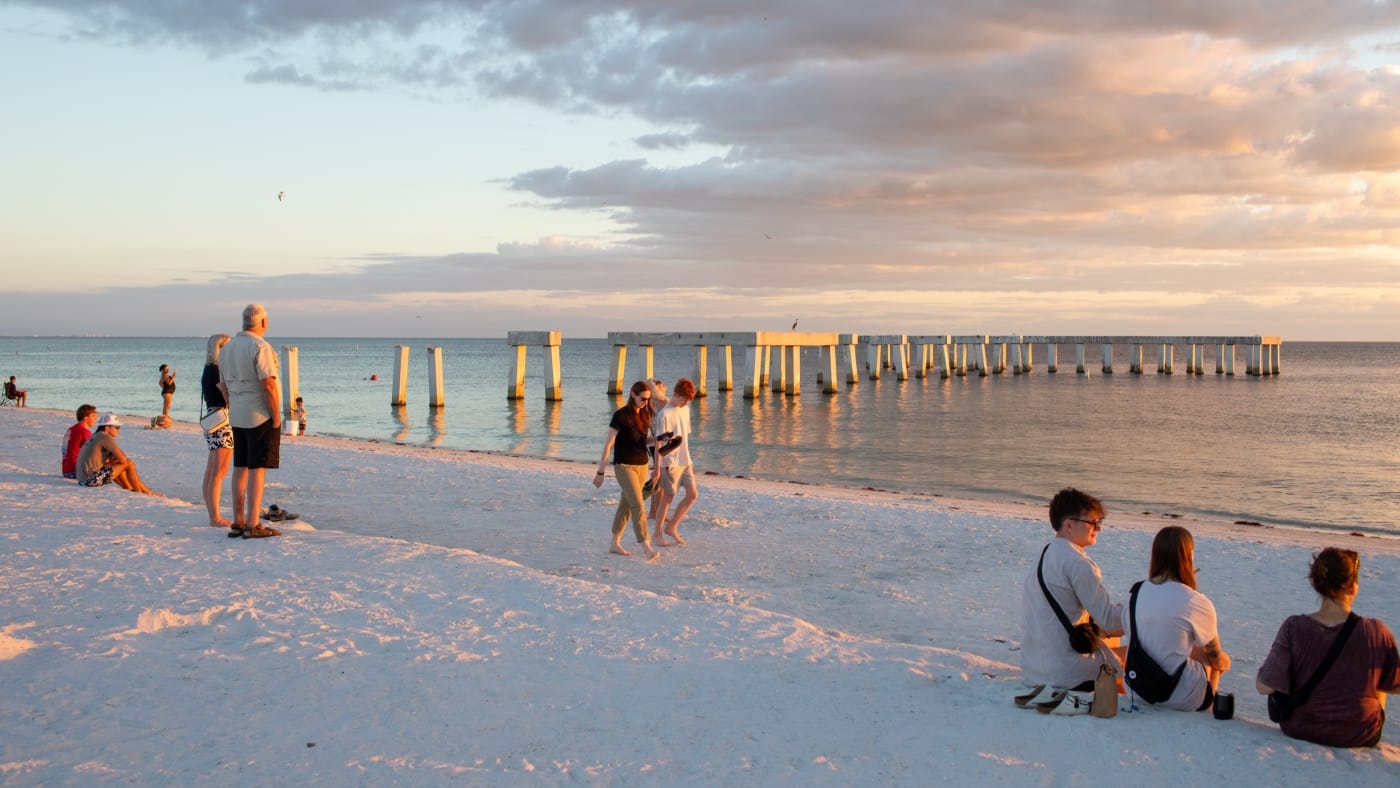
Fort myers beach sunset

Across southwest Florida, the middle class is experiencing a financial squeeze unlike anything in recent memory. Surging insurance premiums, soaring construction costs, and the long shadow of Hurricane Ian have created a perfect storm — one that threatens the very communities that once made Florida’s Gulf Coast feel like paradise.

A recent NPR investigation illustrates the growing strain: families leaving homes they’ve lived in for decades, small hotels disappearing, and Realtors warning of a looming rise in foreclosures.

Three Years After Ian, Recovery Is Still Out of Reach

In Fort Myers Beach, the constant hum of construction is a reminder of what was destroyed and what is slowly being rebuilt. The charming cottages and locally owned hotels that once defined the shoreline are vanishing, replaced by elevated, high‑cost structures built for modern code requirements.

“Only well‑heeled players can play now,” says builder Rob Fowler, describing the wave of gentrification reshaping the island.

Many of the new buildings are simply out of reach for the workers and families who once formed the backbone of the community — the bartenders, clerks, hotel staff, and multi‑generation locals.

Insurance: The Silent Force Behind the Crisis

Florida’s insurance premiums are now among the highest in the nation. According to Bankrate, the average homeowner pays over $5,700 per year — more than double the national average. Flood insurance costs have also surged due to FEMA’s updated risk‑based pricing system.

“Insurance has gone through the roof,” says Karen Rodriguez of Habitat for Humanity. “It has impacted every single person here.”

Some families pay more than $10,000 annually just to stay insured — a breaking point for many.

Realtors Brace for Trouble

Local agents are reporting growing anxiety as repair costs and insurance prices soar. Many homeowners are stuck in limbo — unable to afford staying, yet unable to sell unless they invest in costly mitigation upgrades like flood gates.

In Lee County, homes are sitting on the market longer, and values have dropped more than 10% year‑over‑year. Zillow reports that prices are now substantially below their pre‑Ian levels.

“If this economy continues for another year, we’re going to see a lot of foreclosures,” warns Realtor Jessica Gatewood.

Renters Aren’t Safe Either

As landlords pass down their own insurance increases, rents in parts of Lee County have doubled. Families who once moved to Florida for affordability are now leaving for states like Ohio and North Carolina.

The Florida Chamber of Commerce confirms the trend: more than half a million people left the state in 2023, citing rising housing costs as a primary factor.

A Community Rebuilt — But For Whom?

Despite the struggles, construction continues. New resorts open, rebuilt restaurants welcome guests, and sunsets still draw crowds. Local leaders remain hopeful that investment will eventually stabilize the region — assuming another major storm doesn’t set recovery back again.

“People will come here, and they will build, and they will stay,” says Chamber CEO Jacki Liszak. “But we’re racing the next hurricane.”

What This Means for Real Estate Professionals

For both aspiring and established real estate professionals, Florida’s shifting market offers challenges — but also tremendous opportunity. Understanding insurance trends, climate‑resilient construction, and changing buyer psychology is becoming essential.

Educational providers like Cameron Academy play a key role in preparing professionals for these evolving conditions, offering up‑to‑date courses on regulations, market dynamics, and Florida’s uniquely challenging real estate environment.

A State at a Crossroads

The question isn’t just how Florida will rebuild — but who will still be able to call it home. Middle‑class families are being priced out, long‑standing communities are shifting, and hurricane season is always just around the corner.

What remains is a coastline filled with beauty, opportunity, risk, and rapid transformation — a story still unfolding with every passing storm.

More Articles

Getting licensed or staying ahead in your career can be a journey—but it doesn’t have to be overwhelming. Grab your favorite coffee or tea, take a moment to relax, and browse through our articles. Whether you’re just starting out or renewing your expertise, we’ve got tips, insights, and advice to keep you moving forward. Here’s to your success—one sip and one step at a time!

How an Israeli Proptech Startup Is Transforming the Future of Real Estate Investing

A fast‑growing Israeli startup called Agora is reshaping how real estate investment firms operate by replacing outdated spreadsheets and scattered emails with a seamless digital platform. Built by former military intelligence technologists, Agora centralizes investor onboarding, reporting, financial tracking and communication—giving firms a modern backbone for managing complex portfolios. As proptech adoption accelerates worldwide, understanding tools like Agora is becoming essential knowledge for new and seasoned real estate professionals alike.

How to Become a Real Estate Agent in Canada in 2026

Canada remains one of the fastest and most accessible places to launch a real estate career, with no university degree required and most provinces offering licensing timelines under a year. This guide breaks down every major step—eligibility, education, exams, brokerage registration, and income expectations—while comparing requirements across Ontario, BC, Alberta, and Quebec. It also highlights what truly separates successful agents from those who leave the profession: consistent prospecting, strong preparation, and long-term discipline.

Is It a Good Time To Buy a House in 2026? What the Market Is Really Telling Us

The 2026 housing market is starting off with colder-than-usual activity but warmer opportunities for buyers. Mortgage rates have dipped nearly a full percentage point from last year, inventory is slowly increasing, and competition is easing just enough to give buyers more leverage. While prices are still rising, the pace has cooled, and motivated sellers are becoming more flexible. Whether you're planning to buy or preparing clients as a real estate professional, the key message remains the same: the right time to purchase depends far more on your financial readiness than on headline noise.

Should You Form an LLC for Your Rental Property in 2025?

More landlords than ever are turning to LLCs to protect their assets, streamline operations, and unlock tax advantages. An LLC can separate your personal finances from your rental business, provide liability protection, and offer valuable tax benefits. This article breaks down what LLCs do for landlords, how they affect taxes, the benefits they bring, and the best practices for setting one up in 2025—giving real estate professionals and investors a clear, practical guide for making the right decision.

Florida Senate Backs Plan to Move Commercial Policies Out of Citizens Insurance

Florida lawmakers have approved Sen. Joe Gruters proposal to push more commercial properties from Citizens Property Insurance into the private market. The bill tightens eligibility rules, expands the clearinghouse process, and could shift about 25 billion dollars in risk to private carriers. Supporters say the change reduces taxpayer exposure after major storms, while opponents worry about relying more on the less-regulated surplus lines market. The measure now heads to Gov. Ron DeSantis for final approval.

Wire Fraud Is Now One of the Biggest Threats to Real Estate Closings

Wire fraud has evolved into a major danger for Florida real estate transactions, with criminals hijacking email accounts, impersonating buyers and sellers, and creating fake title company websites. First‑time buyers are especially vulnerable, and losses often occur right before closing when emotions are high. Experts warn that nearly all wire fraud can be prevented with proper verification, secure communication, and professional training—making education a critical defense for today’s real estate professionals.