Rising Insurance Costs Push Florida’s Middle Class to the Edge

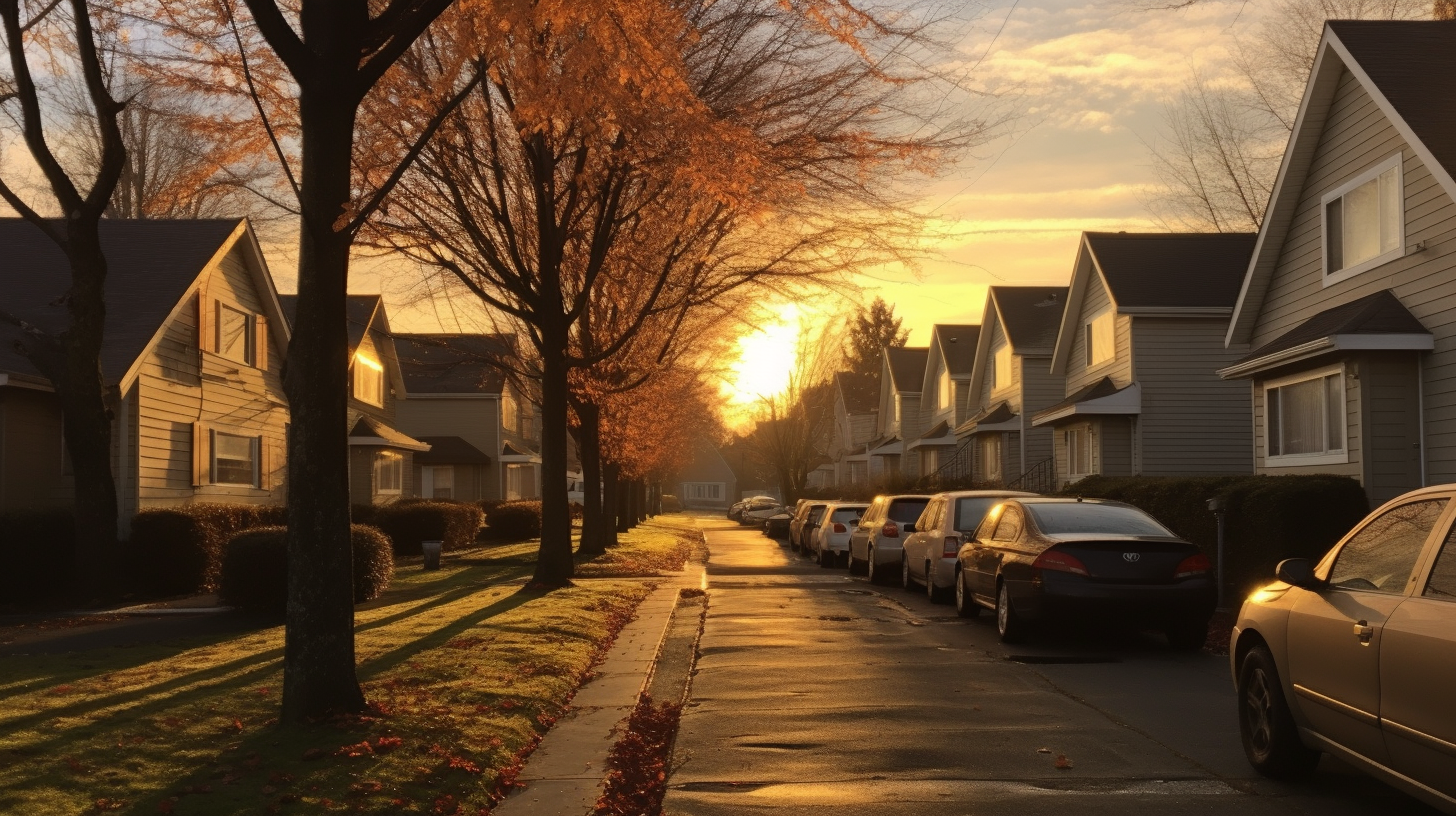
Fort myers beach sunset

Across southwest Florida, the middle class is experiencing a financial squeeze unlike anything in recent memory. Surging insurance premiums, soaring construction costs, and the long shadow of Hurricane Ian have created a perfect storm — one that threatens the very communities that once made Florida’s Gulf Coast feel like paradise.

A recent NPR investigation illustrates the growing strain: families leaving homes they’ve lived in for decades, small hotels disappearing, and Realtors warning of a looming rise in foreclosures.

Three Years After Ian, Recovery Is Still Out of Reach

In Fort Myers Beach, the constant hum of construction is a reminder of what was destroyed and what is slowly being rebuilt. The charming cottages and locally owned hotels that once defined the shoreline are vanishing, replaced by elevated, high‑cost structures built for modern code requirements.

“Only well‑heeled players can play now,” says builder Rob Fowler, describing the wave of gentrification reshaping the island.

Many of the new buildings are simply out of reach for the workers and families who once formed the backbone of the community — the bartenders, clerks, hotel staff, and multi‑generation locals.

Insurance: The Silent Force Behind the Crisis

Florida’s insurance premiums are now among the highest in the nation. According to Bankrate, the average homeowner pays over $5,700 per year — more than double the national average. Flood insurance costs have also surged due to FEMA’s updated risk‑based pricing system.

“Insurance has gone through the roof,” says Karen Rodriguez of Habitat for Humanity. “It has impacted every single person here.”

Some families pay more than $10,000 annually just to stay insured — a breaking point for many.

Realtors Brace for Trouble

Local agents are reporting growing anxiety as repair costs and insurance prices soar. Many homeowners are stuck in limbo — unable to afford staying, yet unable to sell unless they invest in costly mitigation upgrades like flood gates.

In Lee County, homes are sitting on the market longer, and values have dropped more than 10% year‑over‑year. Zillow reports that prices are now substantially below their pre‑Ian levels.

“If this economy continues for another year, we’re going to see a lot of foreclosures,” warns Realtor Jessica Gatewood.

Renters Aren’t Safe Either

As landlords pass down their own insurance increases, rents in parts of Lee County have doubled. Families who once moved to Florida for affordability are now leaving for states like Ohio and North Carolina.

The Florida Chamber of Commerce confirms the trend: more than half a million people left the state in 2023, citing rising housing costs as a primary factor.

A Community Rebuilt — But For Whom?

Despite the struggles, construction continues. New resorts open, rebuilt restaurants welcome guests, and sunsets still draw crowds. Local leaders remain hopeful that investment will eventually stabilize the region — assuming another major storm doesn’t set recovery back again.

“People will come here, and they will build, and they will stay,” says Chamber CEO Jacki Liszak. “But we’re racing the next hurricane.”

What This Means for Real Estate Professionals

For both aspiring and established real estate professionals, Florida’s shifting market offers challenges — but also tremendous opportunity. Understanding insurance trends, climate‑resilient construction, and changing buyer psychology is becoming essential.

Educational providers like Cameron Academy play a key role in preparing professionals for these evolving conditions, offering up‑to‑date courses on regulations, market dynamics, and Florida’s uniquely challenging real estate environment.

A State at a Crossroads

The question isn’t just how Florida will rebuild — but who will still be able to call it home. Middle‑class families are being priced out, long‑standing communities are shifting, and hurricane season is always just around the corner.

What remains is a coastline filled with beauty, opportunity, risk, and rapid transformation — a story still unfolding with every passing storm.


More Articles

Getting licensed or staying ahead in your career can be a journey—but it doesn’t have to be overwhelming. Grab your favorite coffee or tea, take a moment to relax, and browse through our articles. Whether you’re just starting out or renewing your expertise, we’ve got tips, insights, and advice to keep you moving forward. Here’s to your success—one sip and one step at a time!

AI: A Revolutionary Force in Property Valuation

The advent of Artificial Intelligence (AI) has ushered in a new era in the realm of property valuation and appraisal. AI, a formidable tool capable of swiftly analyzing vast amounts of data, provides real-time insights into property values. However, the importance of human expertise in interpreting data and making informed judgments cannot be undermined. A blend of AI and human judgment ensures accurate and reliable property valuations. AI has also made significant strides in the development of valuation products for Home Equity Lines of Credit (HELOCs) and second-lien mortgages. These products leverage AI technology to assess risk more effectively, providing lenders with a comprehensive understanding of the property's value. As AI continues to evolve, we can expect further advancements in the property valuation and appraisal process. The future of property valuations lies in the synergy between AI and human expertise, ensuring accurate, reliable, and contextually informed property valuations.

Fluctuating Real Estate Market: An Insight

The U.S. housing market has experienced a significant surge in home prices, marking the largest annual increase since February 2023. In August alone, home prices recorded a remarkable 3.7% gain. While this upward trend has been observed across the country, there are specific housing markets where prices are projected to decline. In this article, we explore the factors driving the rise in home prices and delve into the markets that are likely to experience price drops. Join us as we navigate through the intricacies of the housing market, uncovering the driving forces behind the price increase and shedding light on the markets where caution may be warranted.

By |October 10, 2023|Categories: Real Estate Market Trends|Tags: |0 Comments

Real Estate Revolution: RE/MAX’s Proposed Agreement Ushers in New Era

The real estate industry is abuzz with the news of RE/MAX's proposed agreement that effectively ends the National Association of Realtors (NAR) membership requirement and commission rule. This groundbreaking settlement has far-reaching implications for RE/MAX agents and franchisees, as well as the broader real estate industry. The proposed settlement by RE/MAX marks a significant departure from the status quo. By eliminating the NAR membership requirement and commission rule, RE/MAX is paving the way for a more open and competitive real estate market. This move has the potential to disrupt long-standing practices and reshape the industry as we know it.

Cryptocurrencies: Chase Bank’s New Era for Mortgage Payments

Chase Bank has made a groundbreaking decision to accept cryptocurrencies, including SHIB and XRP, as a form of payment for mortgage loans. This move marks a significant milestone in the mainstream adoption of digital currencies. It offers numerous benefits for both customers and Chase Bank, providing a convenient and efficient way to make mortgage payments and attracting tech-savvy customers. However, it also comes with risks due to the volatility of digital currencies. This development has the potential to reshape the financial industry and the way we think about mortgage payments. Explore more about finance and technology with Cameron Academy's online career education courses.

5% Down Payment Option for Multifamily Properties: A New Initiative by Fannie Mae

Fannie Mae, a government-sponsored enterprise, has launched a new initiative to expand homeownership opportunities. This initiative introduces a 5% down payment option, revolutionizing the traditional requirements for purchasing multifamily homes. The program offers aspiring homeowners and investors the chance to secure a multifamily property with just a 5% down payment. This reduced requirement breaks down the barriers that have hindered many individuals from entering the multifamily housing market. The program is available for both owner-occupied and non-owner-occupied multifamily properties, offering flexibility for investors and homeowners alike. Discover how Fannie Mae's 5% down payment option can help you achieve your dream of owning a multifamily property. Contact our team today to learn more about Fannie Mae's 5% down payment option and find the perfect multifamily property for your needs.

Industry’s Response to Redfin-NAR Split: A Significant Development

In a surprising turn of events, Redfin, a prominent real estate brokerage, has made the decision to sever ties with the National Association of Realtors (NAR). This move has sparked a wave of reactions within the industry, with experts weighing in on the potential implications for the real estate market. Redfin's criticism of NAR's rules and regulations stems from their belief in the need for innovation and competition in the real estate market. The industry's response to the Redfin-NAR split has been mixed. Some industry experts view this split as a positive development that will foster healthy competition and drive innovation in the real estate market. However, not everyone shares this optimistic outlook. Critics argue that the split could potentially undermine the stability and unity of the real estate market. The Redfin-NAR split has far-reaching implications for the future of the real estate industry. It highlights the ongoing tensions and debates surrounding the role of traditional brokerages versus emerging online platforms. The split also raises important questions about industry regulations and the balance between competition and cooperation.

By |October 7, 2023|Categories: Real Estate Industry|Tags: |0 Comments