Rising Insurance Costs Push Florida’s Middle Class to the Edge

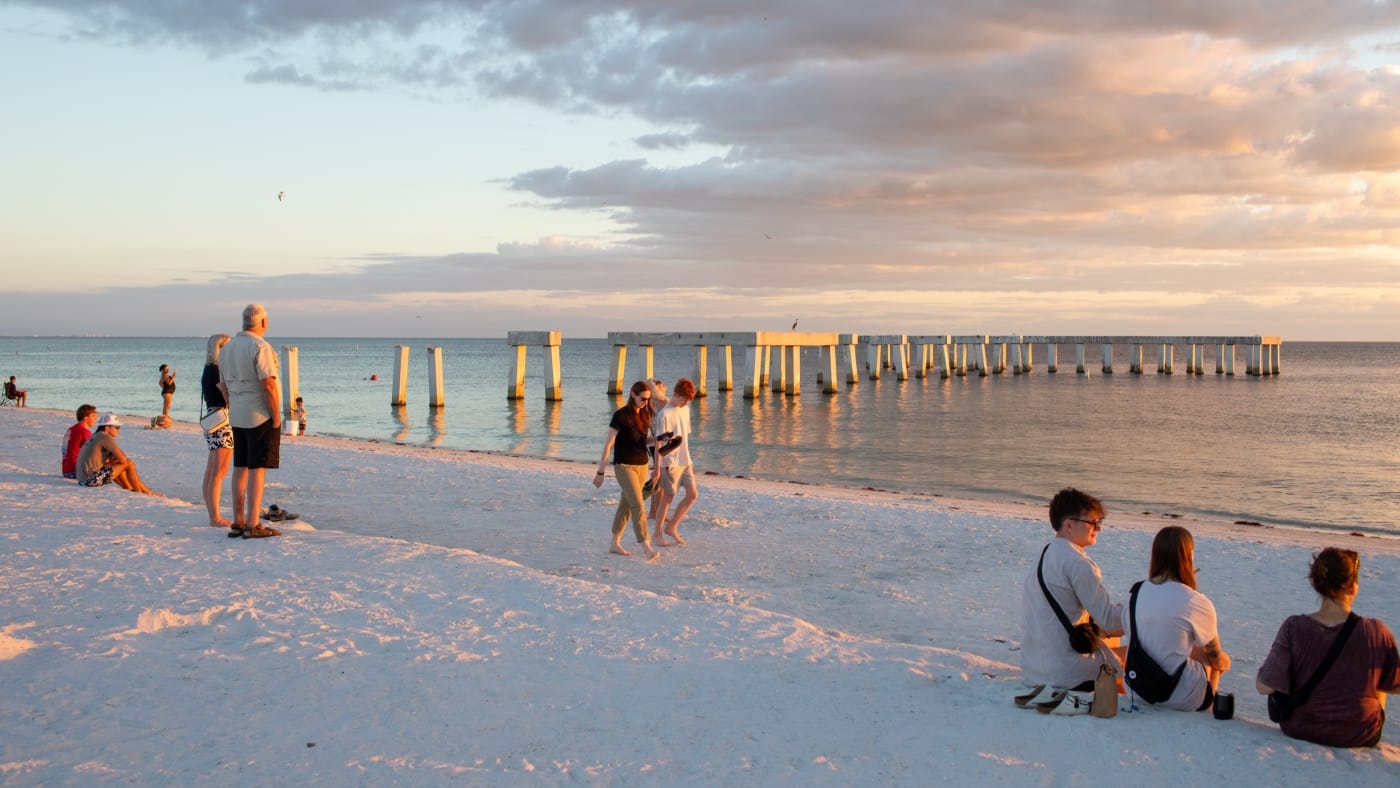
Fort myers beach sunset

Across southwest Florida, the middle class is experiencing a financial squeeze unlike anything in recent memory. Surging insurance premiums, soaring construction costs, and the long shadow of Hurricane Ian have created a perfect storm — one that threatens the very communities that once made Florida’s Gulf Coast feel like paradise.

A recent NPR investigation illustrates the growing strain: families leaving homes they’ve lived in for decades, small hotels disappearing, and Realtors warning of a looming rise in foreclosures.

Three Years After Ian, Recovery Is Still Out of Reach

In Fort Myers Beach, the constant hum of construction is a reminder of what was destroyed and what is slowly being rebuilt. The charming cottages and locally owned hotels that once defined the shoreline are vanishing, replaced by elevated, high‑cost structures built for modern code requirements.

“Only well‑heeled players can play now,” says builder Rob Fowler, describing the wave of gentrification reshaping the island.

Many of the new buildings are simply out of reach for the workers and families who once formed the backbone of the community — the bartenders, clerks, hotel staff, and multi‑generation locals.

Insurance: The Silent Force Behind the Crisis

Florida’s insurance premiums are now among the highest in the nation. According to Bankrate, the average homeowner pays over $5,700 per year — more than double the national average. Flood insurance costs have also surged due to FEMA’s updated risk‑based pricing system.

“Insurance has gone through the roof,” says Karen Rodriguez of Habitat for Humanity. “It has impacted every single person here.”

Some families pay more than $10,000 annually just to stay insured — a breaking point for many.

Realtors Brace for Trouble

Local agents are reporting growing anxiety as repair costs and insurance prices soar. Many homeowners are stuck in limbo — unable to afford staying, yet unable to sell unless they invest in costly mitigation upgrades like flood gates.

In Lee County, homes are sitting on the market longer, and values have dropped more than 10% year‑over‑year. Zillow reports that prices are now substantially below their pre‑Ian levels.

“If this economy continues for another year, we’re going to see a lot of foreclosures,” warns Realtor Jessica Gatewood.

Renters Aren’t Safe Either

As landlords pass down their own insurance increases, rents in parts of Lee County have doubled. Families who once moved to Florida for affordability are now leaving for states like Ohio and North Carolina.

The Florida Chamber of Commerce confirms the trend: more than half a million people left the state in 2023, citing rising housing costs as a primary factor.

A Community Rebuilt — But For Whom?

Despite the struggles, construction continues. New resorts open, rebuilt restaurants welcome guests, and sunsets still draw crowds. Local leaders remain hopeful that investment will eventually stabilize the region — assuming another major storm doesn’t set recovery back again.

“People will come here, and they will build, and they will stay,” says Chamber CEO Jacki Liszak. “But we’re racing the next hurricane.”

What This Means for Real Estate Professionals

For both aspiring and established real estate professionals, Florida’s shifting market offers challenges — but also tremendous opportunity. Understanding insurance trends, climate‑resilient construction, and changing buyer psychology is becoming essential.

Educational providers like Cameron Academy play a key role in preparing professionals for these evolving conditions, offering up‑to‑date courses on regulations, market dynamics, and Florida’s uniquely challenging real estate environment.

A State at a Crossroads

The question isn’t just how Florida will rebuild — but who will still be able to call it home. Middle‑class families are being priced out, long‑standing communities are shifting, and hurricane season is always just around the corner.

What remains is a coastline filled with beauty, opportunity, risk, and rapid transformation — a story still unfolding with every passing storm.

More Articles

Getting licensed or staying ahead in your career can be a journey—but it doesn’t have to be overwhelming. Grab your favorite coffee or tea, take a moment to relax, and browse through our articles. Whether you’re just starting out or renewing your expertise, we’ve got tips, insights, and advice to keep you moving forward. Here’s to your success—one sip and one step at a time!

AI and Real Estate: A Game-Changer or Job-Taker?

In the rapidly evolving world of technology, one question often surfaces: Will AI replace real estate agents? Our comprehensive exploration into this topic reveals the intricate interplay between technology and the real estate industry, and how this relationship is shaping the future of property transactions. While some view the rise of AI with apprehension, others see it as a tool for enhancement. Take Cameron Academy, for instance. They've seamlessly integrated AI into their educational platform, offering an AI tutor to assist students. It's an intriguing paradox. On one hand, we have concerns about AI replacing jobs, and on the other, we witness how AI can enrich our learning experiences.

By |September 14, 2023|Categories: AI in Real Estate|Tags: |0 Comments

How to Afford a $200,000 House: Factors to Consider

Are you planning to buy a house? Understanding your financial capacity and determining whether you can afford the monthly payments is crucial. This guide explores the various factors that come into play when determining the affordability of a $200,000 house. We break down the key elements that contribute to overall affordability, from income to down payment and mortgage interest rates. By the end of this article, you will have a clear understanding of what it takes to make your dream of homeownership a reality. Discover the benefits of having a real estate license and mortgage license with Cameron Academy's comprehensive courses. Ready to take the next step? Explore our online career education courses and unlock your potential today. Sign up for our real estate license or mortgage license course now!

How Much Does It Cost to Become a Real Estate Agent in Florida?

Considering a career as a real estate agent in Florida? Let's break down the costs involved. The first step is completing the state-required pre-license courses, which can range from $100 to $500. Once you've completed your education, you'll need to submit an application to the Florida Department of Business and Professional Regulation (DBPR) with an $83.75 fee. The state exam fee is $36.75 per attempt. All applicants must undergo a fingerprinting check, which ranges from $50 to $80. Other costs include brokerage desk fees, REALTOR® dues, marketing materials, and living expenses during the initial months of building your client base. Despite the upfront costs, the potential rewards make it a worthwhile investment. Ready to start? Enroll in Cameron Academy's Florida pre-licensing course today!

By |September 13, 2023|Categories: Real Estate Licensing in Florida|Tags: |0 Comments

Real Estate Farming: A Comprehensive Guide

Welcome to our comprehensive guide on real estate farming. This marketing strategy targets a specific neighborhood or area, establishing you as a local expert. One of the most effective ways to engage with potential clients is through handwritten notes, creating a lasting impression and helping you stand out in a competitive market. Handwritten cards build trust, foster relationships, and increase your chances of converting leads into clients. By incorporating these personalized techniques, you can differentiate yourself from the competition and increase your chances of success. Ready to take your real estate farming to the next level? Visit Cameron Academy to learn more about our real estate farming course.

By |September 13, 2023|Categories: Real Estate Farming|Tags: |0 Comments

The Potential Impact of Airbnb’s Decline on the Housing Market

The current state of the U.S. housing market is characterized by high prices and a lack of inventory. However, recent developments in the short-term rental industry, particularly with Airbnb, have sparked discussions about the potential impact on the broader housing market. This article explores the connection between Airbnb's decline and the housing market, analyzing the implications and providing a balanced perspective on the situation. Short-term rentals, such as Airbnb, have played a significant role in the housing market, affecting housing prices and inventory. These platforms have provided homeowners with the opportunity to monetize their properties by renting them out for short periods. This has resulted in increased competition for available housing and, in some cases, contributed to rising home prices.

By |September 12, 2023|Categories: Housing Market|Tags: |0 Comments

Don’t Let It Intimidate You: Tips for Starting (or Strengthening) Your Real Estate Career

Starting a career in real estate can be an exciting and rewarding journey. Whether you are just entering the field or looking to strengthen your existing career, there are valuable tips and insights that can help you navigate the competitive landscape of the real estate industry. The real estate industry is a dynamic and ever-evolving field, with countless opportunities for those willing to put in the effort. With dedication and a strategic approach, you can carve out your own niche and thrive in this competitive market. Don't let the challenges and competition intimidate you. With the right mindset, dedication, and a commitment to continuous learning, you can thrive in the world of real estate. Embrace the journey, leverage your strengths, and build meaningful relationships with clients and industry experts. Start your real estate career or take it to the next level today.