Rising Insurance Costs Push Florida’s Middle Class to the Edge

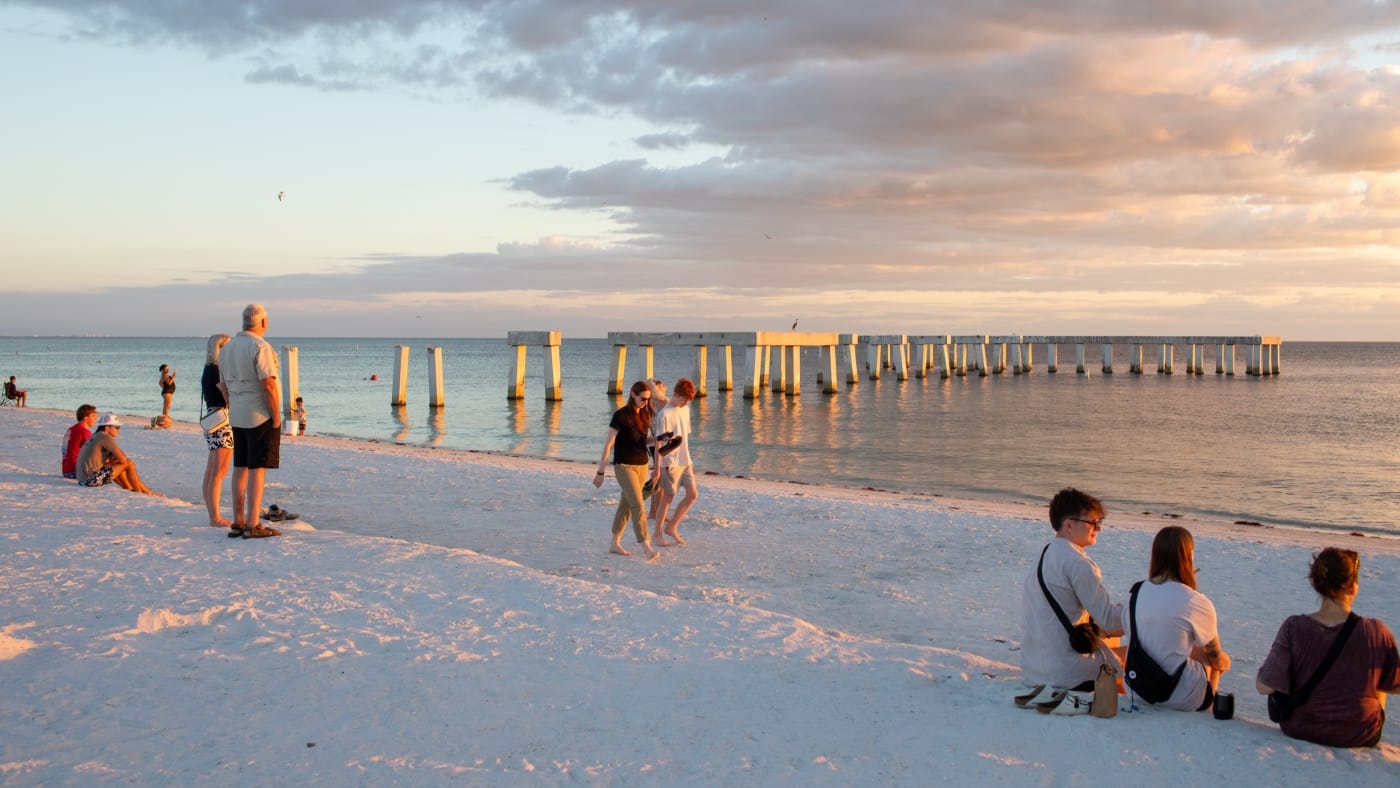
Fort myers beach sunset

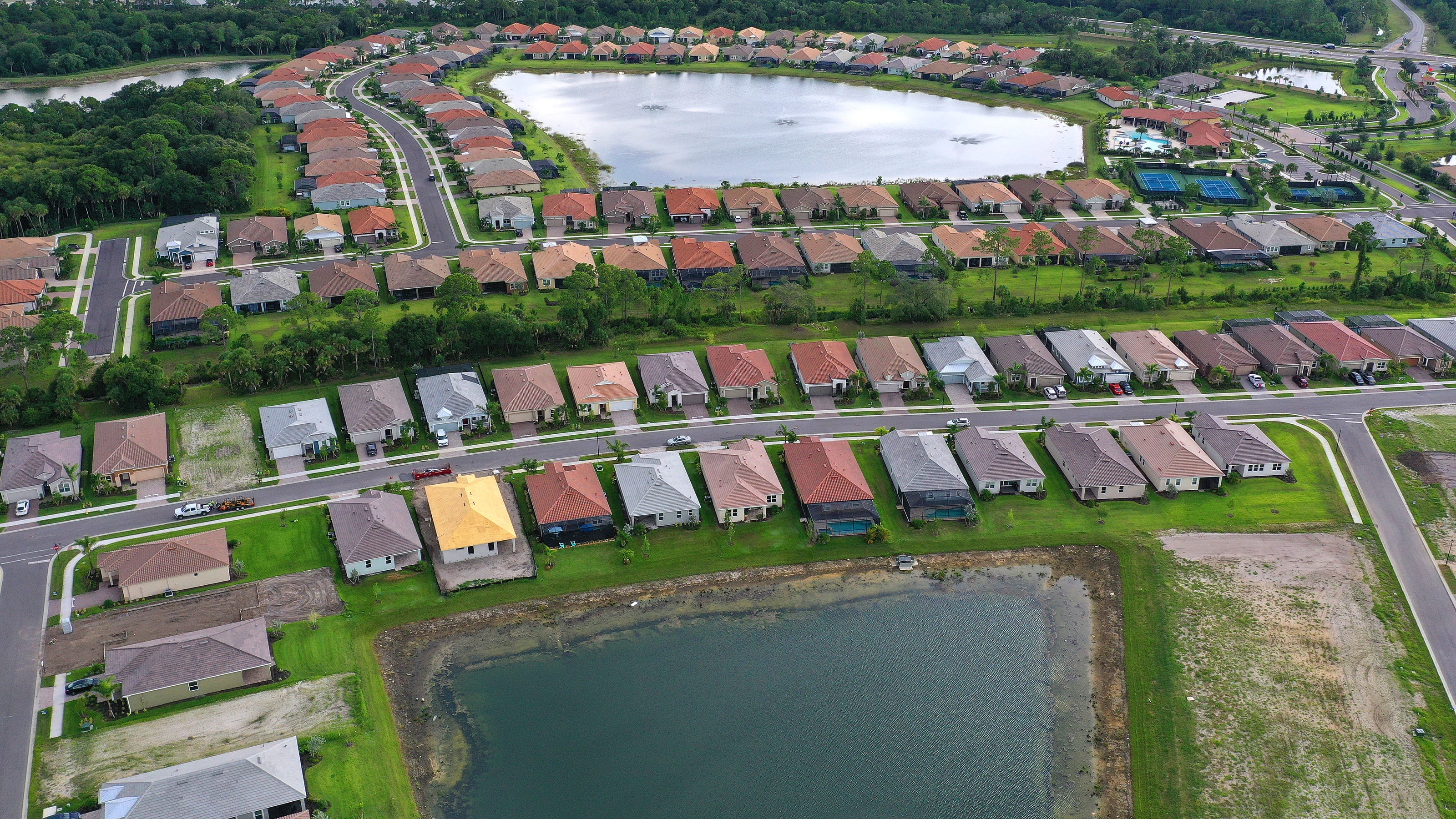
Across southwest Florida, the middle class is experiencing a financial squeeze unlike anything in recent memory. Surging insurance premiums, soaring construction costs, and the long shadow of Hurricane Ian have created a perfect storm — one that threatens the very communities that once made Florida’s Gulf Coast feel like paradise.

A recent NPR investigation illustrates the growing strain: families leaving homes they’ve lived in for decades, small hotels disappearing, and Realtors warning of a looming rise in foreclosures.

Three Years After Ian, Recovery Is Still Out of Reach

In Fort Myers Beach, the constant hum of construction is a reminder of what was destroyed and what is slowly being rebuilt. The charming cottages and locally owned hotels that once defined the shoreline are vanishing, replaced by elevated, high‑cost structures built for modern code requirements.

“Only well‑heeled players can play now,” says builder Rob Fowler, describing the wave of gentrification reshaping the island.

Many of the new buildings are simply out of reach for the workers and families who once formed the backbone of the community — the bartenders, clerks, hotel staff, and multi‑generation locals.

Insurance: The Silent Force Behind the Crisis

Florida’s insurance premiums are now among the highest in the nation. According to Bankrate, the average homeowner pays over $5,700 per year — more than double the national average. Flood insurance costs have also surged due to FEMA’s updated risk‑based pricing system.

“Insurance has gone through the roof,” says Karen Rodriguez of Habitat for Humanity. “It has impacted every single person here.”

Some families pay more than $10,000 annually just to stay insured — a breaking point for many.

Realtors Brace for Trouble

Local agents are reporting growing anxiety as repair costs and insurance prices soar. Many homeowners are stuck in limbo — unable to afford staying, yet unable to sell unless they invest in costly mitigation upgrades like flood gates.

In Lee County, homes are sitting on the market longer, and values have dropped more than 10% year‑over‑year. Zillow reports that prices are now substantially below their pre‑Ian levels.

“If this economy continues for another year, we’re going to see a lot of foreclosures,” warns Realtor Jessica Gatewood.

Renters Aren’t Safe Either

As landlords pass down their own insurance increases, rents in parts of Lee County have doubled. Families who once moved to Florida for affordability are now leaving for states like Ohio and North Carolina.

The Florida Chamber of Commerce confirms the trend: more than half a million people left the state in 2023, citing rising housing costs as a primary factor.

A Community Rebuilt — But For Whom?

Despite the struggles, construction continues. New resorts open, rebuilt restaurants welcome guests, and sunsets still draw crowds. Local leaders remain hopeful that investment will eventually stabilize the region — assuming another major storm doesn’t set recovery back again.

“People will come here, and they will build, and they will stay,” says Chamber CEO Jacki Liszak. “But we’re racing the next hurricane.”

What This Means for Real Estate Professionals

For both aspiring and established real estate professionals, Florida’s shifting market offers challenges — but also tremendous opportunity. Understanding insurance trends, climate‑resilient construction, and changing buyer psychology is becoming essential.

Educational providers like Cameron Academy play a key role in preparing professionals for these evolving conditions, offering up‑to‑date courses on regulations, market dynamics, and Florida’s uniquely challenging real estate environment.

A State at a Crossroads

The question isn’t just how Florida will rebuild — but who will still be able to call it home. Middle‑class families are being priced out, long‑standing communities are shifting, and hurricane season is always just around the corner.

What remains is a coastline filled with beauty, opportunity, risk, and rapid transformation — a story still unfolding with every passing storm.

More Articles

Getting licensed or staying ahead in your career can be a journey—but it doesn’t have to be overwhelming. Grab your favorite coffee or tea, take a moment to relax, and browse through our articles. Whether you’re just starting out or renewing your expertise, we’ve got tips, insights, and advice to keep you moving forward. Here’s to your success—one sip and one step at a time!

A New Blueprint for True Florida Affordability: Jayden D’Onofrio Pushes for Real Relief in 2026

Florida families are feeling the squeeze as everyday costs, insurance premiums, and homeownership barriers continue to climb. House District 102 candidate Jayden D’Onofrio is calling for a broader, more unified affordability strategy—one that tackles the state’s insurance crisis, supports first‑time homebuyers, and restores real competition in the market. His message centers on transparency, practical solutions, and keeping Florida livable for the professionals, workers, and families who power its economy.

Health Insurance Shake‑Up: America’s Coverage Markets Enter a New Era

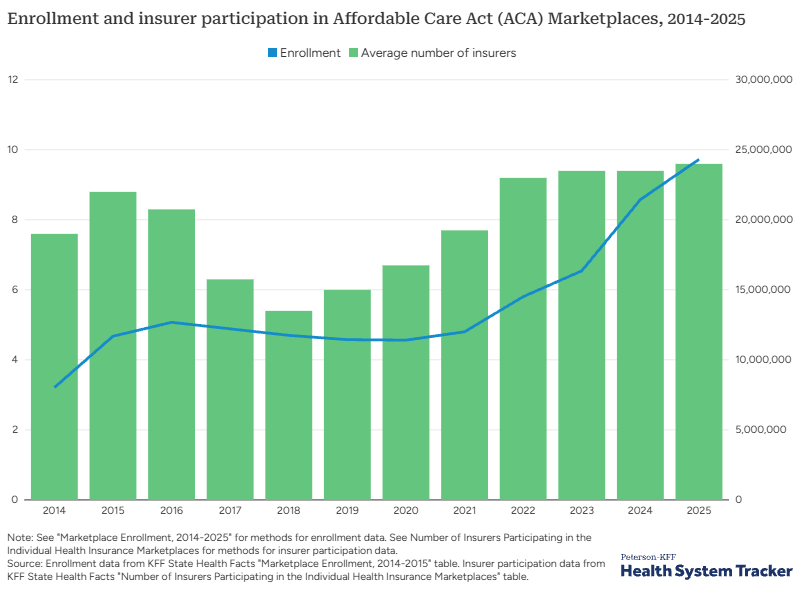
A decade of dramatic change is reshaping America’s health insurance markets. Employer group plans are becoming increasingly dominated by a few powerful insurers, while the ACA individual marketplace is experiencing record‑breaking competition and enrollment. Self‑funded plans are surging, small‑group premiums are driving employers to new coverage models, and major policy shifts in 2025 could redefine affordability for millions. This data‑driven Peterson‑KFF analysis breaks down the trends every insurance, finance, and business professional needs to understand as the industry enters a transformative new era.

Florida’s Next Mega‑Development: Winchester Ranch Set to Transform North Port

Sarasota County is inching closer to approving Winchester Ranch, a massive 8,999‑home community planned for more than 3,100 acres in North Port. With a 7‑1 vote from the Planning Commission and a final decision expected in early 2026, the project could become one of Southwest Florida’s largest developments in decades—bringing new housing, commercial space, and industry while raising fresh questions about growth, the environment, and the region’s rapidly evolving real estate market.

Lument Finance Trust Closes $664 Million CRE CLO, Signaling Strength in 2025 Markets

Lument Finance Trust has closed a major $663.8 million commercial real estate CLO, marking one of the standout CRE finance deals of 2025. The transaction, LMNT 2025-FL3, features a strong reinvestment period, non‑recourse and non‑mark‑to‑market financing, and a diversified pool of 32 loans tied to 49 properties nationwide. With J.P. Morgan leading the structuring and more than $585 million placed in investment‑grade securities, the deal highlights renewed stability in transitional CRE debt—making it a development real estate and finance professionals will want to watch closely.

Walmart Launches America’s Largest 3D‑Printed Commercial Building Initiative

Walmart has partnered with Alquist 3D to roll out the nation’s first large‑scale wave of 3D‑printed commercial buildings, signaling a major shift in how future retail and industrial spaces will be constructed. After completing an 8,000‑square‑foot 3D‑printed expansion in Tennessee—the largest of its kind—the company is moving forward with over a dozen new projects nationwide, accelerating a tech‑driven transformation in commercial real estate.

Citizens Insurance Proposes 2026 Rate Cuts, Signaling Relief for Florida’s Property Market

Citizens Property Insurance Corp. is recommending statewide rate reductions for 2026—the first proposed decrease in more than a decade. Most Citizens policyholders could see an average 11.5% drop, reflecting recent insurance‑market reforms that have stabilized Florida’s turbulent property sector. With hundreds of thousands of policies moving back to private insurers and state‑backed Citizens shrinking to record‑low enrollment, real estate and insurance professionals should prepare for how lower premiums may influence affordability, buyer confidence, and market activity heading into 2026.