Rising Material Costs Challenge Home Builders Amid Inflation Slowdown


As inflation trends downward, the construction industry faces a paradox: the relentless rise in residential construction material costs since early 2024. This surge, marking its peak in June 2024, presents a formidable challenge for home builders already navigating inflated expenses.


The escalating cost of building materials, including softwood lumber, steel, and aluminum, is eroding housing affordability. These volatile prices, compounded by uncertainties in production timelines, leave builders grappling with cost management, often resulting in appraisals that fail to reflect true costs accurately.


Factors Driving Material Cost Increases


  • Supply and Demand: Peak construction seasons intensify demand, while global shortages and disruptions constrain supply, driving up prices.
  • Inflation: Economy-wide inflationary pressures inevitably impact construction material costs.
  • Global Influences: Geopolitical tensions and trade disputes further exacerbate price hikes.
  • Sustainability Initiatives: The shift towards sustainable building practices often involves costlier materials.

The construction industry feels the strain as these factors inflate project costs, squeeze profit margins, and exacerbate housing affordability issues. Developers face delayed production cycles and heightened financial risks, while appraisals struggle to keep pace with cost fluctuations.


Strategies to Mitigate Material Cost Challenges


Builders are employing a range of strategies to manage these rising costs:


  • Long-term Contracts: Securing consistent pricing through long-term agreements with suppliers.
  • Efficient Material Use: Minimizing waste and optimizing material usage.
  • Negotiation: Engaging suppliers directly to negotiate better prices.
  • Exploring Alternatives: Considering cost-effective materials that deliver similar performance.

Efforts to resolve trade disputes and centralize negotiations are underway, aiming to stabilize global material supplies. Automation and advanced technologies are also being explored to address labor shortages and supply chain disruptions. Investing in workforce development is critical for attracting new talent, ensuring resilience within the industry.


Adapting to a New Reality


As builders navigate these challenges, the industry is undergoing a transformation. Traditional project models are being rethought, and innovative approaches embraced to thrive amidst current uncertainties. Through adaptive measures and collaborative efforts, home builders are poised to future-proof their operations against ongoing fluctuations in material costs and availability.

More Articles

Getting licensed or staying ahead in your career can be a journey—but it doesn’t have to be overwhelming. Grab your favorite coffee or tea, take a moment to relax, and browse through our articles. Whether you’re just starting out or renewing your expertise, we’ve got tips, insights, and advice to keep you moving forward. Here’s to your success—one sip and one step at a time!

Unlocking Real Estate Wealth in 2025: Strategies for Success

Step into 2025, where the real estate market emerges as a resilient beacon amidst economic unpredictability. Investors are increasingly drawn to secondary cities like Austin and Manchester, attracted by their growth potential, affordability, and enhanced quality of life.

By |February 18, 2025|Categories: Article, Investment Strategies, Real Estate|Tags: , |0 Comments

AI and Urbanization Drive Home Services Market Growth

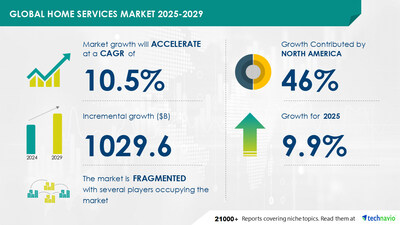
The global home services market is poised for significant growth, with projections indicating an increase of USD 1.03 trillion from 2025 to 2029. This forecasted expansion is attributed to increasing urbanization and the transformative impact of AI on market trends, according to a recent report by Technavio.

Decoding the U.S. Housing Crisis: A Study of Historic Policy Missteps and Demographic Shift

In a revealing study by USC, the roots of the current housing crisis in the United States are traced back to policy missteps and demographic changes that have been unfolding since the early 2000s. The study highlights how these factors have left millennials and people of color disproportionately affected.

Best Real Estate Crowdfunding Platforms for February 2025: Investopedia’s Top Picks

Fundrise stands out for offering investors a chance to diversify their portfolios with real estate exposure through proprietary funds. With a minimum investment as low as $10, it opens doors to beginners and seasoned investors alike.

Top Real Estate Investment Apps of 2025: A Guide for First-Time and Experienced Investors

Business Insider has reviewed a range of platforms available in 2025, focusing on key factors like fees, accessibility for accredited vs. non-accredited investors, and the types of real estate investments offered.