Rising Material Costs Challenge Home Builders Amid Inflation Slowdown
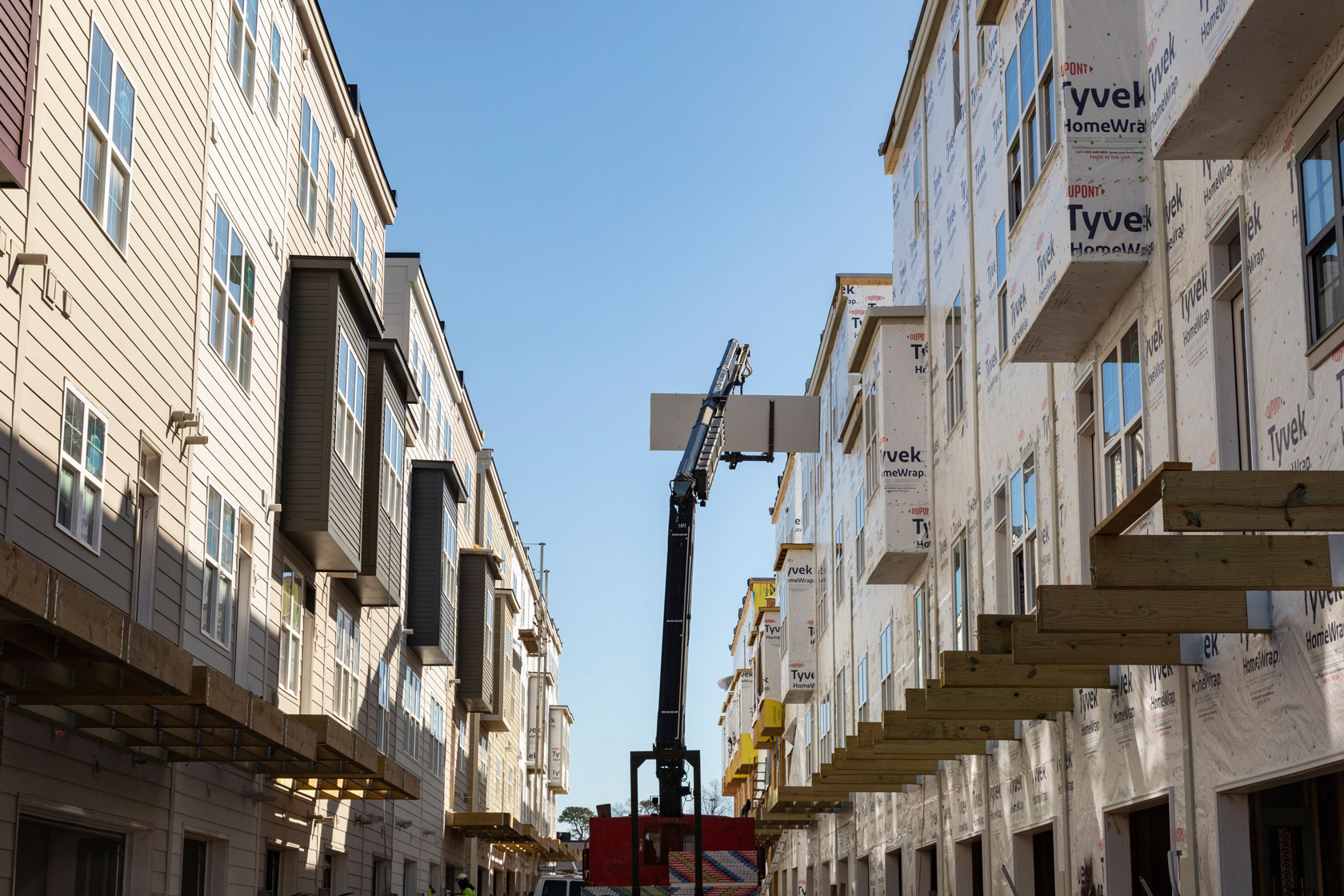
As inflation trends downward, the construction industry faces a paradox: the relentless rise in residential construction material costs since early 2024. This surge, marking its peak in June 2024, presents a formidable challenge for home builders already navigating inflated expenses.
The escalating cost of building materials, including softwood lumber, steel, and aluminum, is eroding housing affordability. These volatile prices, compounded by uncertainties in production timelines, leave builders grappling with cost management, often resulting in appraisals that fail to reflect true costs accurately.
Factors Driving Material Cost Increases
- Supply and Demand: Peak construction seasons intensify demand, while global shortages and disruptions constrain supply, driving up prices.
- Inflation: Economy-wide inflationary pressures inevitably impact construction material costs.
- Global Influences: Geopolitical tensions and trade disputes further exacerbate price hikes.
- Sustainability Initiatives: The shift towards sustainable building practices often involves costlier materials.
The construction industry feels the strain as these factors inflate project costs, squeeze profit margins, and exacerbate housing affordability issues. Developers face delayed production cycles and heightened financial risks, while appraisals struggle to keep pace with cost fluctuations.
Strategies to Mitigate Material Cost Challenges
Builders are employing a range of strategies to manage these rising costs:
- Long-term Contracts: Securing consistent pricing through long-term agreements with suppliers.
- Efficient Material Use: Minimizing waste and optimizing material usage.
- Negotiation: Engaging suppliers directly to negotiate better prices.
- Exploring Alternatives: Considering cost-effective materials that deliver similar performance.
Efforts to resolve trade disputes and centralize negotiations are underway, aiming to stabilize global material supplies. Automation and advanced technologies are also being explored to address labor shortages and supply chain disruptions. Investing in workforce development is critical for attracting new talent, ensuring resilience within the industry.
Adapting to a New Reality
As builders navigate these challenges, the industry is undergoing a transformation. Traditional project models are being rethought, and innovative approaches embraced to thrive amidst current uncertainties. Through adaptive measures and collaborative efforts, home builders are poised to future-proof their operations against ongoing fluctuations in material costs and availability.