Rising Material Costs Challenge Home Builders Amid Inflation Slowdown


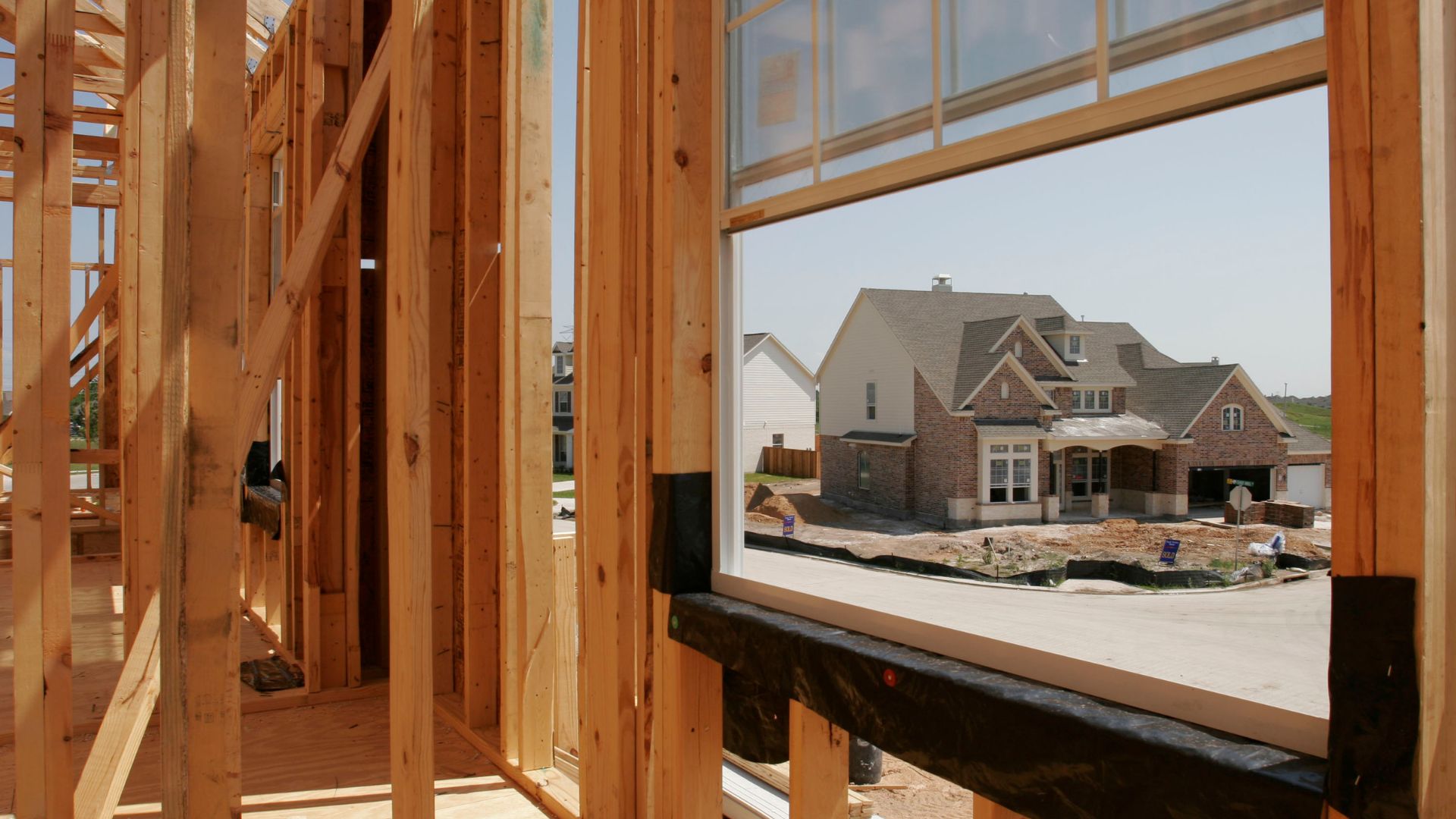
As inflation trends downward, the construction industry faces a paradox: the relentless rise in residential construction material costs since early 2024. This surge, marking its peak in June 2024, presents a formidable challenge for home builders already navigating inflated expenses.


The escalating cost of building materials, including softwood lumber, steel, and aluminum, is eroding housing affordability. These volatile prices, compounded by uncertainties in production timelines, leave builders grappling with cost management, often resulting in appraisals that fail to reflect true costs accurately.


Factors Driving Material Cost Increases


  • Supply and Demand: Peak construction seasons intensify demand, while global shortages and disruptions constrain supply, driving up prices.
  • Inflation: Economy-wide inflationary pressures inevitably impact construction material costs.
  • Global Influences: Geopolitical tensions and trade disputes further exacerbate price hikes.
  • Sustainability Initiatives: The shift towards sustainable building practices often involves costlier materials.

The construction industry feels the strain as these factors inflate project costs, squeeze profit margins, and exacerbate housing affordability issues. Developers face delayed production cycles and heightened financial risks, while appraisals struggle to keep pace with cost fluctuations.


Strategies to Mitigate Material Cost Challenges


Builders are employing a range of strategies to manage these rising costs:


  • Long-term Contracts: Securing consistent pricing through long-term agreements with suppliers.
  • Efficient Material Use: Minimizing waste and optimizing material usage.
  • Negotiation: Engaging suppliers directly to negotiate better prices.
  • Exploring Alternatives: Considering cost-effective materials that deliver similar performance.

Efforts to resolve trade disputes and centralize negotiations are underway, aiming to stabilize global material supplies. Automation and advanced technologies are also being explored to address labor shortages and supply chain disruptions. Investing in workforce development is critical for attracting new talent, ensuring resilience within the industry.


Adapting to a New Reality


As builders navigate these challenges, the industry is undergoing a transformation. Traditional project models are being rethought, and innovative approaches embraced to thrive amidst current uncertainties. Through adaptive measures and collaborative efforts, home builders are poised to future-proof their operations against ongoing fluctuations in material costs and availability.

More Articles

Getting licensed or staying ahead in your career can be a journey—but it doesn’t have to be overwhelming. Grab your favorite coffee or tea, take a moment to relax, and browse through our articles. Whether you’re just starting out or renewing your expertise, we’ve got tips, insights, and advice to keep you moving forward. Here’s to your success—one sip and one step at a time!

Mortgage Rates Drop for the Holidays, but Homebuyers Aren’t Budging

The average 30-year mortgage rate slipped to 6.18% just before Christmas, offering a small break from last year’s higher levels. Yet despite the improvement, mortgage applications for purchases and refinances have fallen to a three‑month low as buyers remain cautious. With mixed rate movements, fluctuating Treasury yields, and affordability challenges still weighing on first‑time buyers, the market is showing signs of stability but not momentum. Real estate professionals who stay informed on these shifting conditions will be best positioned to guide clients in 2026.

Premium U.S. CRE Soars as Smaller Markets Slide: A New Two‑Tier Reality Takes Hold

New CoStar data shows a widening split in the U.S. commercial real estate market, with high-value office towers, industrial hubs and major retail assets posting steady gains while smaller properties in secondary markets continue to lose ground. Premium assets logged their sixth straight monthly price increase in November, boosted by falling interest rates and limited new construction, while lower‑tier properties saw continued price declines and weakening demand.

Microsoft’s New Licensing Overhaul Hits Healthcare Budgets: What Leaders Must Prepare For Now

Microsoft has eliminated long‑standing volume discounts on cloud services like Microsoft 365, Power BI, Intune and Defender, meaning healthcare organizations will soon pay the same price per seat whether they purchase 100 or 10,000 licenses. With the change taking effect at renewal, hospitals and health systems must begin auditing unused licenses, right‑sizing staff tiers, and re‑evaluating digital workflows to avoid major cost spikes. CDW is stepping in with advisory support, cost‑optimization tools, and flexible CSP options to help organizations navigate the transition before budgets tighten further.

Where America Is Building the Most Homes in 2026 — And Why It Matters to Your Career

America is still short nearly 2.8 million homes, and in 2026 the states driving the bulk of new construction are once again Florida and Texas. With the South producing more than half of all new building permits nationwide, these regions are shaping the future of inventory, affordability, and opportunity. For real estate, mortgage, insurance, and finance professionals, the surge in Southern homebuilding—especially in Florida—signals expanding career potential as new inventory enters the market and demand for licensed experts continues to rise.

Irondequoit Tops the List as America’s Most Competitive Housing Market

A new Redfin report crowns Irondequoit, New York as the nation’s most competitive housing market, with homes selling in just 8.5 days and often above asking. Priced at a median of $249,132, the lakeside suburb is drawing buyers seeking affordability and speed. The surprising lineup of competing markets—from Bay Area tech hubs to Rust Belt metros—highlights a shifting post‑pandemic housing landscape where affordability pressures and regional disparities continue to shape buyer behavior.

Alaska Tightens TPA Licensing Rules Ahead of 2026: Key Changes Professionals Must Prepare For

Alaska has overhauled its Third Party Administrator licensing rules, eliminating major long‑standing exemptions and pulling many previously exempt organizations into full licensing requirements starting January 1, 2026. Under Senate Bill 132 and Bulletin B 25‑09, TPAs must now review their operations, prepare documentation, and monitor upcoming state guidance as Alaska moves toward stricter oversight and stronger consumer protection.