In the ever-intensifying dance between nature and human resilience, insurance companies find themselves at a critical juncture. As hurricanes grow in frequency and ferocity, the property and casualty (P&C) insurance industry is grappling with a new era of risk, driven largely by climate change. This shift is forcing insurers to reconsider long-standing practices, with traditional risk models faltering under the weight of mounting insured losses.

The Evolving Nature of Hurricane Risk

Today’s hurricanes are no longer the predictable forces they once were. Rapidly intensifying storms, like this year’s devastating Hurricane Helene, have become the norm, particularly in the United States where seven of the ten most expensive insured loss events occurred. This unsettling trend, highlighted by Gallagher Re, underscores the urgent need for the insurance industry to adapt.

Rising Premiums and Narrowing Coverage Options

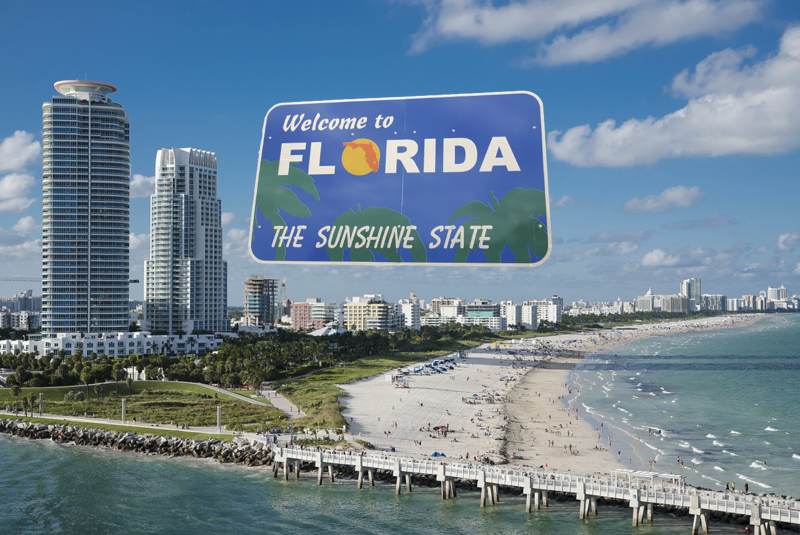
For residents in high-risk coastal areas such as Florida and Louisiana, the consequences of these shifting patterns are stark. Insurance premiums are on the rise, and coverage options are dwindling. Some insurers, faced with the escalating costs of claims, have opted to exit these volatile markets entirely. Major players like Allstate and Berkshire Hathaway have already begun to limit their exposure, citing climate change as a key factor in their strategic recalibrations.

Last Resort Insurance Pools

In response to the diminishing availability of private insurance, coastal states have established last-resort insurance pools. These pools serve as a crucial safety net for property owners who find themselves unable to secure affordable coverage. However, as the costs associated with these pools rise, they too are becoming financially strained, leading to higher premiums or reliance on state tax revenues, further complicating affordability for residents.

The Long-Term Outlook

Looking ahead, the prospect of insurance becoming unaffordable or unattainable looms large. The Future of Financial Services report by GlobalData suggests that regulatory measures to address climate risks may exacerbate these challenges, potentially leading to increased costs and fewer options for policyholders. As insurance becomes more complex and potentially uninsurable, property values in hurricane-prone regions could plummet, deterring investment and destabilizing local economies.

As we navigate this rising tide of risk, the insurance industry must innovate and adapt to ensure that protection remains viable for those who need it most. The stakes have never been higher, and the time for action is now.

More Articles

Getting licensed or staying ahead in your career can be a journey—but it doesn’t have to be overwhelming. Grab your favorite coffee or tea, take a moment to relax, and browse through our articles. Whether you’re just starting out or renewing your expertise, we’ve got tips, insights, and advice to keep you moving forward. Here’s to your success—one sip and one step at a time!

Florida’s Insurance Market Finally Stabilizes After Years of Crisis, Says State Commissioner

At the 2025 Florida Chamber Insurance Summit, Insurance Commissioner Mike Yaworsky announced that Florida’s long‑volatile insurance market has at last regained stability. After a decade marked by runaway litigation, inflated claims, and insurer exits, the sweeping tort and insurance reforms passed in 2022 and 2023 have reversed the decline. Litigation has fallen to pre‑2019 levels, new carriers and reinsurers are entering the state, and consumers now have more options than they’ve seen in years. Yaworsky cautioned, however, that rolling back these reforms would undo the progress and impose massive costs on Floridians.

Driving With an Expired License in 2025: What Professionals Need to Know Before Hitting the Road

Driving with an expired license is illegal in nearly every state, and in 2025 the consequences are more serious than most people realize. From fines and potential jail time to denied insurance claims and professional repercussions, even a simple lapse can create a ripple effect—especially for licensed professionals in real estate, insurance, mortgage, and finance. This quick morning read breaks down the real penalties, why professionals should pay attention, and how to renew your license before it becomes a costly mistake.

Talking to Your Photos: Chat‑Based AI Is Quietly Transforming Real Estate Listings

A new wave of chat‑based AI tools is reshaping how quickly real estate professionals can prepare and enhance listing photos. By simply describing changes—like brightening a kitchen, removing clutter, or fully staging a room—agents and property managers can produce high‑impact images in minutes. This technology not only speeds up market readiness but also boosts renter and buyer engagement by presenting spaces at their full potential from the very first glance.

Staying Ahead of the Curve: The Rental Market Trends That Will Define 2026

The rental market is gearing up for major shifts in 2026, from rising compliance demands and surging insurance costs to the rapid adoption of AI‑powered property management tools. Tenants’ expectations are evolving just as quickly, pushing owners to deliver lifestyle‑driven communities rather than simple lease agreements. Investors and operators who embrace technology, stay ahead of regulatory changes and prioritize renter experience will be best positioned to thrive in the coming year.

The AI Revolution in Real Estate: How Technology Is Reshaping the Industry

Artificial intelligence is transforming real estate at lightning speed, turning days of manual work into minutes of automated insight. With the AI real estate market projected to soar from $222.65B in 2024 to over $975B by 2029, professionals who understand this technology now will lead the industry tomorrow. From smarter valuations to automated workflows and predictive analytics, AI is redefining how agents, investors, and property managers operate—making today the perfect time to embrace the tools shaping the future of real estate.

The Human Connection Real Estate Will Always Need in an AI‑Driven Future

As AI takes over the repetitive tasks that slow agents down, industry expert Matt Britton says the future of real estate belongs to professionals who combine intelligent automation with irreplaceable human trust. Speaking to thousands at NAR NXT 2025, Britton emphasized that the next wave of success will come from agents who embrace AI workflows while doubling down on what technology can’t replicate: empathy, creativity, and meaningful client relationships.