In the picturesque yet precarious landscape of North Carolina’s Outer Banks, the allure of oceanfront living is increasingly shadowed by the ominous threat of climate change. Just last week, a $650,000 beachfront home succumbed to the relentless encroachment of the sea, collapsing into the Atlantic. This marks the sixth such incident in the region over the past four years, underscoring the urgent climate threats coastal properties face while the housing market seemingly turns a blind eye.

Despite the stark reality of rising sea levels, which research suggests could impact up to 13 million American homes by 2100, the demand for coastal properties remains robust. According to a recent paper published in Nature Communications, U.S. coastal properties have appreciated faster than those in inland zones, driven by affluent buyers eager for waterfront views.

“Consumers are clearly mindful that…climate change impacts could be within the window of a 30-year mortgage, but their current behavior still implies that to have a view of the ocean is more desirable,” explained Lawrence Yun, chief economist at the National Association of Realtors, to the paper’s authors.

The Outer Banks, a series of low-lying barrier islands, are particularly vulnerable to rising sea levels and coastal erosion. Some areas have recorded sea level rises of up to seven inches in recent years. Following last week’s house collapse, local authorities have taken action, shutting down a stretch of road and urging visitors to remain cautious, as detailed in a National Park Service advisory.

This phenomenon is not isolated to North Carolina. Coastal regions across the U.S. are experiencing more severe storms and heavier rainfall, further eroding shorelines. In Salisbury, Massachusetts, homeowners spent half a million dollars trucking in sand to protect their properties from coastal storms earlier this spring. Similarly, a $16 million mansion in Dana Point, California, teeters on the brink of collapse into the Pacific.

Average sea levels along the American coastline are expected to rise exponentially over the coming decades, threatening the 40% of the population residing in coastal zones, as reported by the NOAA.

The rising threat of coastal flooding and erosion has led to insurance companies retreating inland. In Florida, a state whose highest point is a mere 345 feet above sea level, multiple major insurers have pulled out, causing consumers’ premiums to soar. Nonetheless, Florida home values have surged since the pandemic, with the average home in the southern part of the state reportedly 35% overvalued.

“It’s not a matter of if, but when coastal communities approach complete inundation,” said Duke University economics professor Martin Smith, who co-authored a paper proposing a model for coastal property values. “The question is: Are there more effective ways to manage coastal areas in the next few decades that could smooth this transition?”

As the tide of climate change continues to rise, the juxtaposition of booming coastal property values against the backdrop of environmental peril presents a complex challenge for homeowners, policymakers, and the real estate market alike. The original article from Fortune provides an in-depth exploration of these pressing issues.

More Articles

Getting licensed or staying ahead in your career can be a journey—but it doesn’t have to be overwhelming. Grab your favorite coffee or tea, take a moment to relax, and browse through our articles. Whether you’re just starting out or renewing your expertise, we’ve got tips, insights, and advice to keep you moving forward. Here’s to your success—one sip and one step at a time!

Artificial Intelligence in Diagnostics: A Revolution in Healthcare

The global market for artificial intelligence in diagnostics is poised for remarkable growth, with projections estimating it to reach USD 7.3 billion by 2032.

By |December 10, 2024|Categories: Article, Artificial Intelligence, Healthcare|Tags: , |0 Comments

Revolutionizing Medical Education with Extended Reality

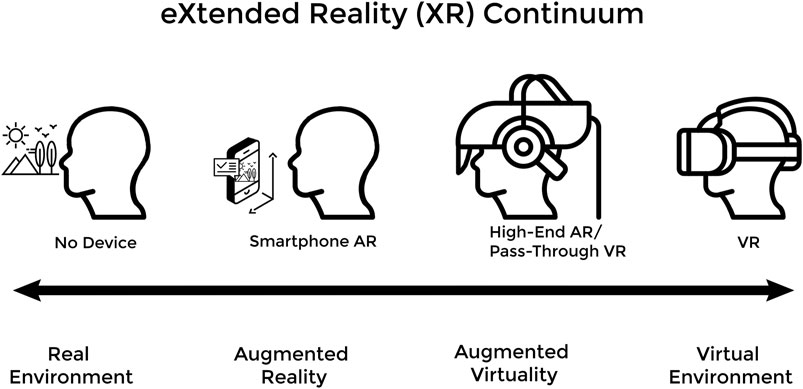
In the ever-evolving landscape of medical education, a new player has emerged, promising to revolutionize the way future doctors are trained. The integration of eXtended Reality (XR) technologies is reshaping the educational landscape by addressing the limitations of traditional methods.

Genetic Testing: A New Dawn in Healthcare

Genetic testing represents more than just a scientific advancement; it signifies a fundamental shift in how we approach health and wellness.

Sustainable Architecture: Blending Innovation with Ecological Responsibility

The journey toward sustainable architecture is ongoing, with each project serving as a beacon of what's achievable when creativity meets ecological awareness.

By |December 9, 2024|Categories: Architecture, Article, Sustainability|Tags: |0 Comments

AI in Clinical and Molecular Diagnostics: A Market on the Rise

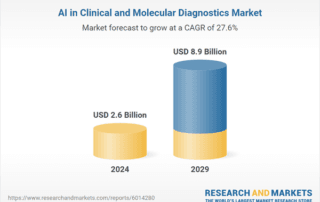
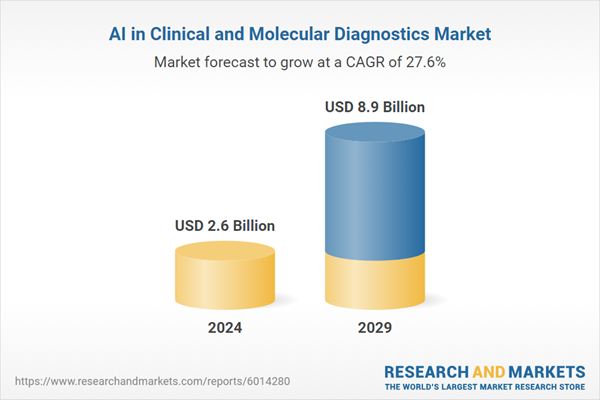
AI in Clinical and Molecular Diagnostics Market is set to experience remarkable growth, projected to surge from USD 2.6 billion in 2024 to USD 8.9 billion by 2029. This growth is driven by the integration of advanced AI technologies such as machine learning and deep learning into traditional diagnostic methodologies like imaging, genomics, and laboratory testing.

AI: A Revolution in Healthcare’s Future

AI is not a distant dream but a present reality, already integrated into everyday life through virtual assistants like Alexa and Siri. AI shows promise in enhancing medical accuracy, such as in predicting mesothelioma survival and improving colonoscopy accuracy, it is not intended to replace healthcare professionals.