Rocket Mortgage Hit with Class Action After Ignoring Opt-Out Requests

Legal gavel on documents

Rocket Mortgage is facing fresh legal trouble as a new lawsuit accuses the lender of continuing telemarketing outreach even after confirming that a consumer had successfully opted out. Filed November 12 in federal court in Florida, the complaint alleges violations of both federal and state telemarketing laws—and marks the 56th TCPA-related case brought against the company.

Key Claim: Rocket allegedly called a consumer twelve times after confirming she had been removed from future communications.

The Consumer’s Experience

Hillary Wissart of Kissimmee, Florida, says she visited RocketMortgage.com on October 9 to check mortgage rates. Just hours later, she received a voicemail from a representative identifying himself as Miguel Rodriguez, followed by a text message welcoming her to her “home financing journey” and offering an opt‑out option by replying “STOP.”

Wissart sent the STOP request immediately. Rocket responded with a confirmation: “You have successfully been unsubscribed. You will not receive any more messages from this number.”

But the calls allegedly continued.

Timeline of Events

  • Oct 9: Initial call and text from Rocket representative.
  • Oct 9 (3:51 PM): Wissart sends STOP request; receives confirmation.
  • Oct 10–29: Multiple calls from the same number, including Oct 14, 15, 16, 17, 21, 22, 23, 24, 27, 28, and 29.
  • Oct 23: Second voicemail left by the representative.

Compliance Concerns

Federal telemarketing regulations require companies to honor do‑not‑call requests within ten business days. The lawsuit claims Rocket failed to maintain proper internal procedures for honoring consumer opt‑outs, as all calls and messages allegedly originated from the same number—indicating the STOP request likely never propagated through their system.

Wissart is not a Rocket customer and uses her phone strictly for personal communication. Her filing also notes that Rocket has been sued 55 prior times for alleged TCPA violations, raising continued questions about the company’s compliance infrastructure.

The Class Action Scope

Wissart seeks to represent two groups:

  • Nationwide consumers who sent an opt‑out text but received more than one subsequent call.
  • Florida residents who received any calls after opting out.

The complaint estimates that more than 10,000 people may qualify.

Potential Penalties

The case invokes both the federal Telephone Consumer Protection Act and Florida’s Telephone Solicitation Act. These laws carry statutory penalties of $500 per unlawful call—and up to $1,500 if the violations are deemed willful.

Industry Takeaway

For mortgage lenders and other lead‑driven industries, the lawsuit highlights ongoing challenges with managing suppression lists and maintaining compliant outreach workflows across call, text, and digital channels. As marketing automation expands, clean data hygiene and synchronized opt‑out systems remain essential.

Rocket Mortgage has not yet filed a response, and no court has made any determination regarding the allegations.


More Articles

Getting licensed or staying ahead in your career can be a journey—but it doesn’t have to be overwhelming. Grab your favorite coffee or tea, take a moment to relax, and browse through our articles. Whether you’re just starting out or renewing your expertise, we’ve got tips, insights, and advice to keep you moving forward. Here’s to your success—one sip and one step at a time!

Florida Homeowners Finally Get Relief as Gov. DeSantis Announces Significant Insurance Premium Cuts

Florida homeowners — especially in hard‑hit South Florida — are set to see rare and substantial reductions in their property insurance premiums. Gov. Ron DeSantis announced an average statewide Citizens Insurance decrease of 8.7%, with even larger savings of up to 14% in counties like Miami-Dade, Broward, and Palm Beach. State officials credit recent legal and regulatory reforms for stabilizing the market, attracting new insurers, and delivering the first meaningful rate relief Floridians have seen in years.

Tampa’s Real Estate Market Enters a Smarter, More Selective Growth Phase

Tampa’s commercial real estate market isn’t slowing—it’s maturing. With strong population growth, rising office demand, a normalized industrial sector, resurgent retail, and an emerging health‑care real estate boom, investors are shifting from speed to strategy. Tighter underwriting, cautious capital and increased due‑diligence are shaping a more disciplined market, creating new opportunities for informed professionals.

Florida Slashes Home Insurance Rates: Biggest Drop in a Decade Sends Shockwaves Through the Market

Florida homeowners are finally seeing relief as Citizens Property Insurance announces a major 8.7% average rate decrease—far larger than originally proposed. Driven by legislative reforms, fewer lawsuits, and a calm hurricane season, the state’s once‑unstable insurance market is showing real signs of recovery. But with reduced coverage limits and shifting legal protections, experts warn that lower premiums may come with hidden trade‑offs.

Florida Homeowners Finally Get Insurance Relief After Years of Soaring Premiums

After a decade of rising premiums and retreating carriers, Florida homeowners are finally seeing long‑awaited relief. Dozens of insurers have filed for rate decreases—some as high as 11%—thanks to legislative reforms and a stabilizing market. Early approvals are already hitting counties across the state, and experts say the momentum could boost buyer confidence, affordability, and competition throughout Florida’s real estate and insurance sectors.

Self‑Storage Investing in 2026: A Market Thaw Opens the Door to Big Opportunities

After years of slowed activity caused by rising interest rates, the self‑storage industry is heating up again. New data from Marcus & Millichap shows a fresh market cycle emerging, driven by renewed buyer confidence, recalibrated pricing, and stronger lender participation. Acquisitions are rebounding, development is resetting in a healthier direction, and financing conditions are improving—creating one of the most promising investment landscapes the sector has seen in years.

Brookline’s Real Flood Risk: What FEMA’s New Maps Reveal—and What They Miss

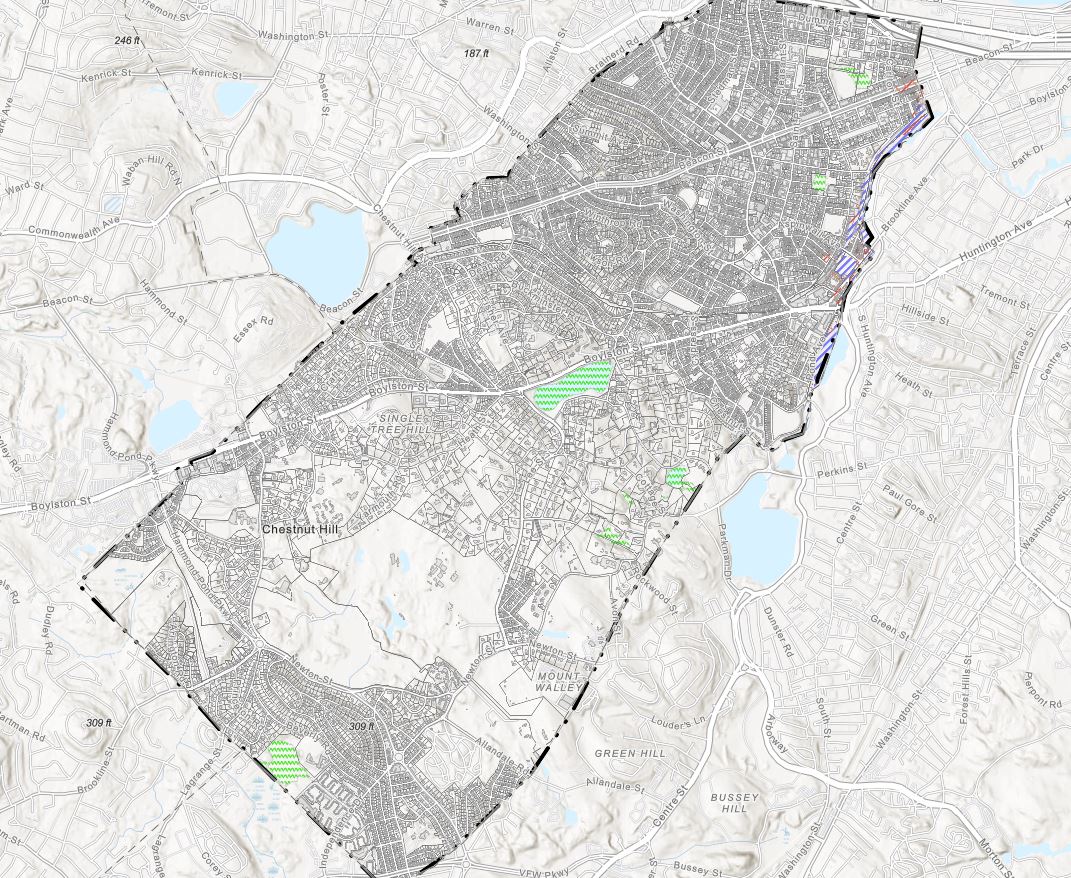
Brookline’s newly updated FEMA flood maps identify 97 high‑risk parcels, but local experts warn the true threat is far greater. While FEMA highlights river‑based flooding around Leverett Pond and the Muddy River, alternative models show more than 1,300 Brookline properties at risk within 30 years. Hidden vulnerabilities along major corridors like Beacon Street, rising rainfall intensity, aging infrastructure, and climate‑driven storm patterns suggest that many “low‑risk” areas may be anything but safe.