Santa Ana’s Rent Stabilization Update: A New Era for Tenants and Landlords
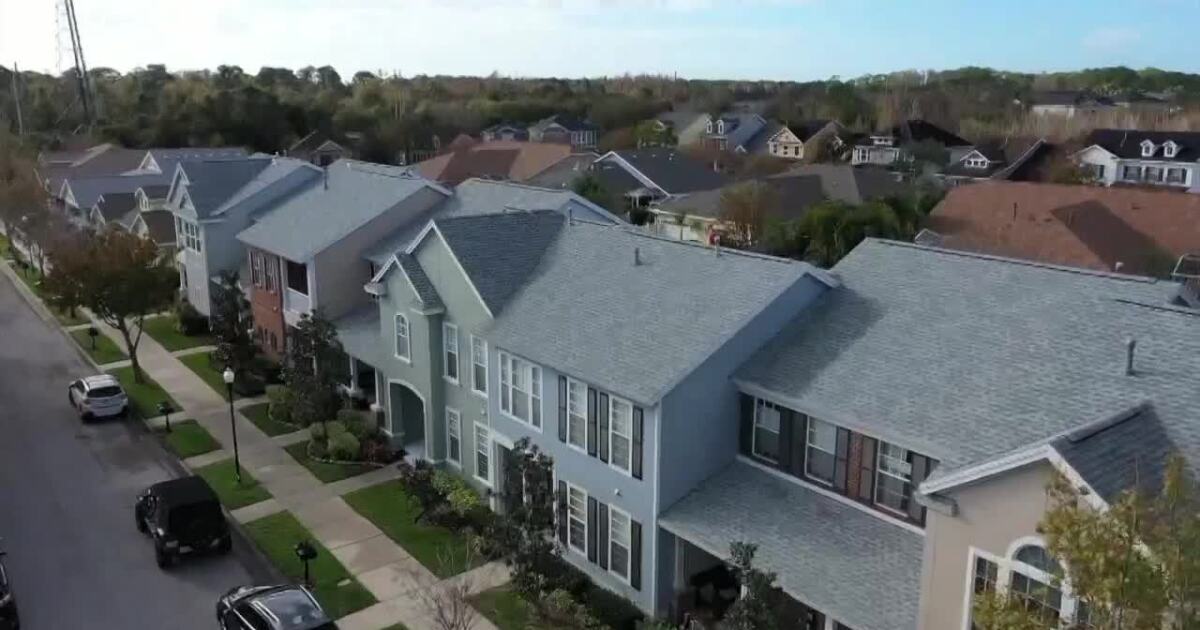
In a significant move aimed at protecting renters, the City of Santa Ana has rolled out its Rent Stabilization and Just Cause Eviction Ordinance. This local law, which has been in effect since January 2024, seeks to curb rent increases beyond permissible limits for designated residential units and mobile homes, while also providing robust ‘just cause’ eviction protections.
The ordinance introduces a Rental Registry, a critical tool designed to track rent-stabilized units and ensure compliance with the new regulations. This registry is supported by a Rental Registry Fee, set at $100 per unit for the fiscal year 2023-24. This fee covers the operational costs of implementing and enforcing the ordinance, as detailed in the Santa Ana Miscellaneous Fees Schedule.
Pass-Through Fees: What Tenants Need to Know
Landlords are permitted to pass through up to 50% of the Rental Registry Fee to tenants, distributed over 12 monthly installments. This pass-through, however, is not considered part of the rent when calculating any rent increase. For the fiscal year 2023-24, this fee amounts to a maximum of $4.16 per month. Importantly, landlords must ensure timely payment of the fee by February 29, 2024, to qualify for passing it through to tenants.
For more detailed information on the ordinance, tenants and landlords can refer to the original newsletter.
Introducing the Rental Housing Board
To oversee the ordinance’s enforcement, Santa Ana has established a Rental Housing Board, comprising seven members. This board includes three tenants (with at least one mobilehome tenant), two landlords, and two at-large members with no financial interest in rental housing. Applications for board membership are currently open and can be accessed via the City Clerk’s Office website.
Support and Resources for Tenants
The city provides several resources for tenants facing challenges related to rent stabilization and eviction protections. Organizations such as the Fair Housing Council of Orange County, Public Law Center, and Community Legal Aid SoCal offer guidance and support. Tenants can also reach out to Latino Health Access for additional assistance.
For further inquiries, tenants and landlords can contact the Rent Stabilization Helpline at (714) 667-2209 or email [email protected].
Stay Informed
To stay updated on the latest developments regarding the Rent Stabilization and Just Cause Eviction Ordinance, residents are encouraged to visit the city’s official website and review the full ordinance.
More Articles
Getting licensed or staying ahead in your career can be a journey—but it doesn’t have to be overwhelming. Grab your favorite coffee or tea, take a moment to relax, and browse through our articles. Whether you’re just starting out or renewing your expertise, we’ve got tips, insights, and advice to keep you moving forward. Here’s to your success—one sip and one step at a time!
The commercial real estate sector closed out 2025 with renewed stability, as the Real Estate Roundtable’s latest sentiment index shows rising confidence and improving market fundamentals. Executives report better access to capital, stronger performance in residential, retail, and hospitality, and early signs of recovery in the office market. With financing loosening and asset values climbing, the outlook for 2026 is increasingly optimistic, creating fresh opportunities for both seasoned professionals and newcomers preparing to enter the field.
The CFPB is proposing changes to how lenders evaluate “disparate impact” under the Equal Credit Opportunity Act, potentially tightening the scrutiny on credit decisions that unintentionally disadvantage protected groups. These updates could reshape underwriting models, lending criteria, and compliance requirements — ultimately influencing mortgage approvals, buyer qualifications, and day‑to‑day real estate activity.
Florida’s insurance crisis has become the defining issue heading into 2026, with Republicans touting recent market improvements while Democrats argue families are still being crushed by soaring premiums. From billion‑dollar auto insurance refunds to condo markets destabilized by post‑Surfside rate spikes, the state’s political divide is shaping the future of real estate, insurance, and affordability for millions.
October 2025 brought a wave of major regulatory updates across insurance, finance, and compliance. From stricter oversight on retail insurers and new FCA rules on ESG and travel insurance, to EIOPA’s EU‑wide consultations and refreshed corporate governance standards, regulators signaled higher expectations and faster change ahead. For professionals—and those pursuing licenses—these shifts directly impact risk management, product design, and consumer outcomes, making regulatory awareness a critical competitive advantage.
After nearly two years of sluggish activity, commercial real estate lending is finally accelerating—fast. New data from CBRE shows loan closings jumped 112% year‑over‑year in Q3 2025, reaching their highest level since 2018. With interest rates stabilizing and credit spreads tightening, investors are returning, banks are re‑entering the market, and multifamily financing is dominating once again. The long‑stalled deal flow is thawing, signaling renewed momentum heading into 2026.
Farmers Insurance is lifting its cap on new homeowner policies in California after two years of limiting growth, signaling a shift in the state’s strained insurance market. The expansion comes with a proposed 6.99 percent rate increase that still needs regulatory approval. Supporters call it a turning point driven by new wildfire‑risk rules, while consumer advocates warn the reforms contain loopholes and could lead to higher costs for homeowners.