Santa Ana’s Rent Stabilization Update: A New Era for Tenants and Landlords
In a significant move aimed at protecting renters, the City of Santa Ana has rolled out its Rent Stabilization and Just Cause Eviction Ordinance. This local law, which has been in effect since January 2024, seeks to curb rent increases beyond permissible limits for designated residential units and mobile homes, while also providing robust ‘just cause’ eviction protections.
The ordinance introduces a Rental Registry, a critical tool designed to track rent-stabilized units and ensure compliance with the new regulations. This registry is supported by a Rental Registry Fee, set at $100 per unit for the fiscal year 2023-24. This fee covers the operational costs of implementing and enforcing the ordinance, as detailed in the Santa Ana Miscellaneous Fees Schedule.
Pass-Through Fees: What Tenants Need to Know
Landlords are permitted to pass through up to 50% of the Rental Registry Fee to tenants, distributed over 12 monthly installments. This pass-through, however, is not considered part of the rent when calculating any rent increase. For the fiscal year 2023-24, this fee amounts to a maximum of $4.16 per month. Importantly, landlords must ensure timely payment of the fee by February 29, 2024, to qualify for passing it through to tenants.
For more detailed information on the ordinance, tenants and landlords can refer to the original newsletter.
Introducing the Rental Housing Board
To oversee the ordinance’s enforcement, Santa Ana has established a Rental Housing Board, comprising seven members. This board includes three tenants (with at least one mobilehome tenant), two landlords, and two at-large members with no financial interest in rental housing. Applications for board membership are currently open and can be accessed via the City Clerk’s Office website.
Support and Resources for Tenants
The city provides several resources for tenants facing challenges related to rent stabilization and eviction protections. Organizations such as the Fair Housing Council of Orange County, Public Law Center, and Community Legal Aid SoCal offer guidance and support. Tenants can also reach out to Latino Health Access for additional assistance.
For further inquiries, tenants and landlords can contact the Rent Stabilization Helpline at (714) 667-2209 or email [email protected].
Stay Informed
To stay updated on the latest developments regarding the Rent Stabilization and Just Cause Eviction Ordinance, residents are encouraged to visit the city’s official website and review the full ordinance.
More Articles
Getting licensed or staying ahead in your career can be a journey—but it doesn’t have to be overwhelming. Grab your favorite coffee or tea, take a moment to relax, and browse through our articles. Whether you’re just starting out or renewing your expertise, we’ve got tips, insights, and advice to keep you moving forward. Here’s to your success—one sip and one step at a time!
After nearly 20 years under uniquely harsh lending rules, Florida may finally see its condo market freed from a 25% down payment requirement imposed only on the state. Industry leaders say Fannie Mae could announce changes as early as December—potentially restoring the standard 10% down payment used everywhere else in the country. Experts believe the shift would boost maintenance funding, improve affordability, and stabilize Florida’s condo market after years of strain.
Phoenix’s commercial real estate market is shaking off years of uncertainty as broker optimism hits its highest level since interest rates began climbing. The latest ASU Commercial Broker Sentiment Index soared to 62.7, signaling strong confidence across multifamily, retail, office, and capital markets. With population growth accelerating, interest rates easing, and AI boosting industry efficiency, Phoenix is positioning itself for a powerful run into 2026—offering meaningful opportunities for both new and seasoned real estate professionals.
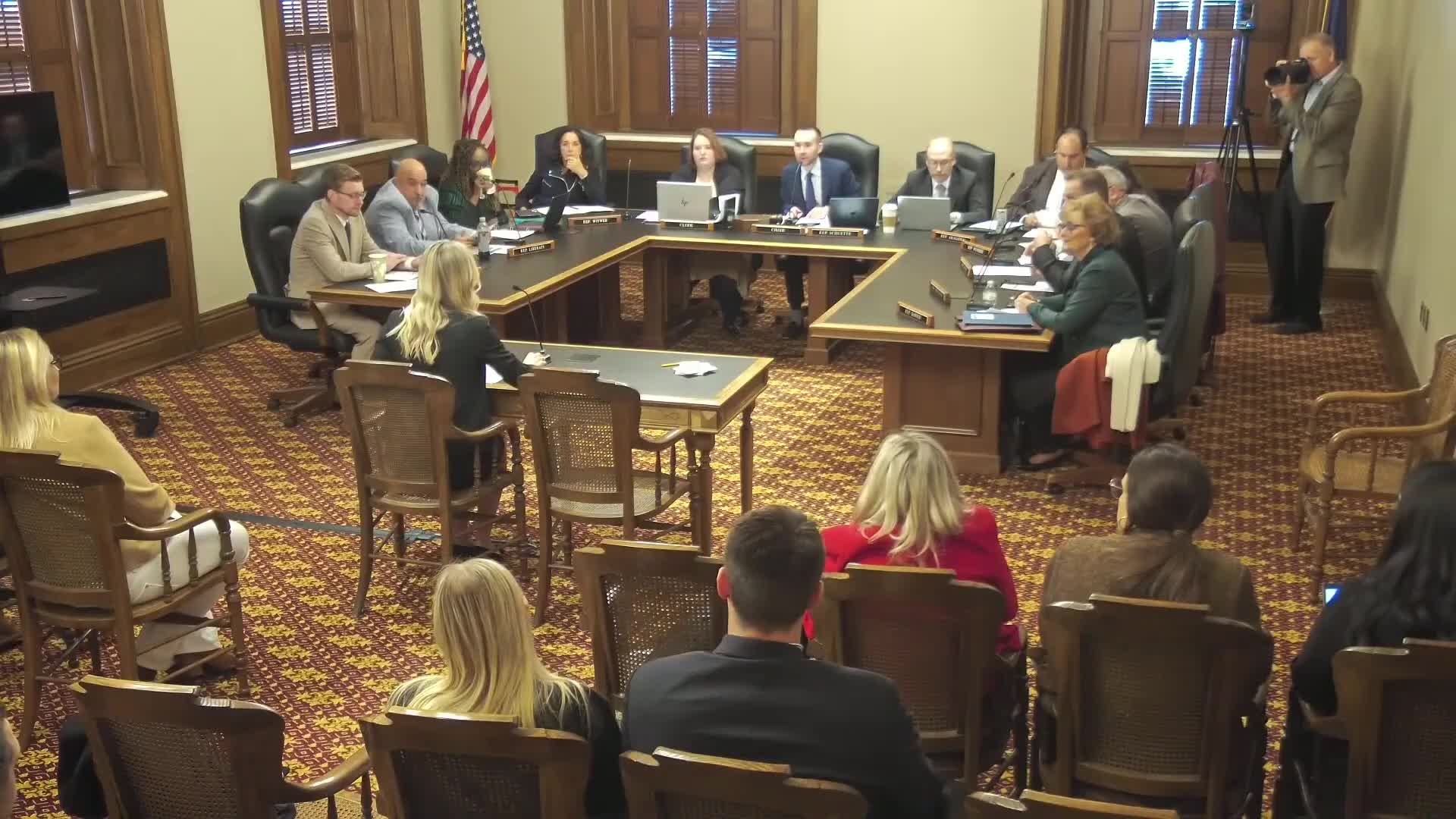
Michigan’s House Rules Committee heard testimony on a proposal that would let licensed professionals complete all required continuing education online. Supporters say the change would modernize outdated rules, reduce costs, and improve access for rural and busy workers. The state licensing department backs the measure, and lawmakers noted it could reshape CE options across industries from real estate to insurance and healthcare.
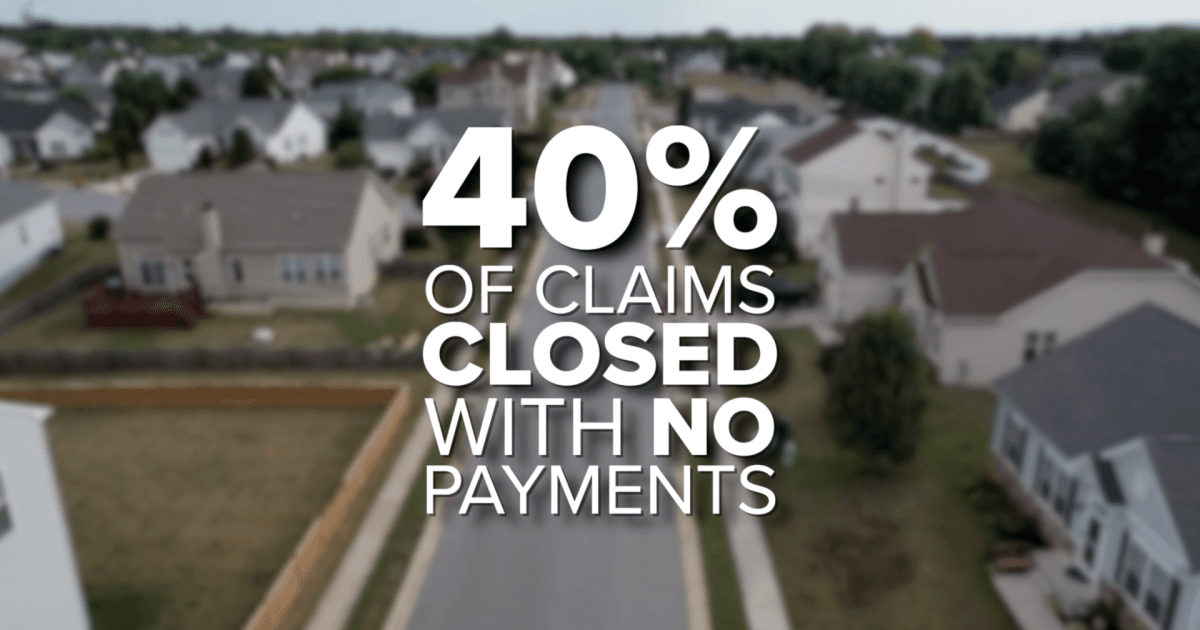
Florida homeowners are now paying an average of $5,838 per year for insurance — nearly $3,000 above the national average — making it one of the most expensive states in the country. As premiums continue to triple for some residents, many are being forced into tough decisions, from delaying home improvements to dropping coverage altogether. With more than 40% of claims closed with no payment and lawmakers pushing for aggressive reforms, the crisis is reshaping Florida’s housing market and placing growing pressure on real estate, mortgage, and insurance professionals statewide.
Griffin Funding has elevated John Jones to Senior Vice President of Growth and EOS Integrator, marking a major step in the company’s long-term expansion strategy. Already a key operational leader since April 2025, Jones will now drive performance optimization, market expansion, and leadership development as the lender pursues an ambitious goal of reaching $3 billion in annual non-QM loan volume by 2030. His promotion underscores Griffin Funding’s commitment to scaling strategically while strengthening its position in the fast-growing non-QM space.
Despite recent Federal Reserve rate cuts, commercial real estate remains frozen. Long‑term Treasury yields continue to climb, keeping borrowing costs high and preventing the relief investors expected. With nearly $1 trillion in commercial loans coming due, refinancing at today’s elevated rates is squeezing owners, slowing transactions, and creating a widening gap between buyers and sellers. For patient, well‑capitalized investors, this period of recalibration may offer some of the strongest opportunities in years.