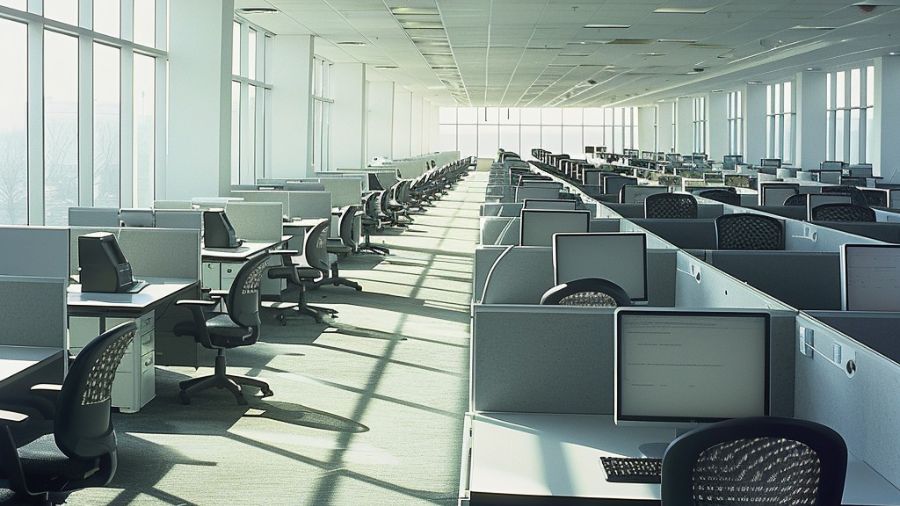
Seattle’s skyline still glitters—but behind those glass towers lies one of the highest commercial vacancy rates in the country. According to the latest national office report from CommercialCafe, Seattle now holds the second-highest office vacancy rate in the United States, trailing only San Francisco.
With vacancy sitting at 26.6%, well above the national average of 18.5%, Seattle’s once-booming commercial core is now wrestling with empty floors, shifting work cultures, and political change. In downtown alone, some submarkets are nearing or breaking 35% vacancy, with pockets like Pioneer Square reaching an astonishing 50%.
A New Mayor and an Old Problem
Mayor-elect Katie Wilson takes office on January 1, 2026—walking directly into one of the most challenging moments for Seattle’s commercial identity. Wilson, who defeated incumbent Bruce Harrell, campaigned on revitalization strategies including a potential vacancy tax or fine aimed at pushing landlords to fill unused space.
- Vacancy tax: Incentivizing owners to activate idle offices and storefronts.
- Office-to-housing conversions: Supporting transformations of outdated towers into residential units.
- Downtown revitalization: Strengthening safety, affordability, homelessness response, and vibrancy ahead of the FIFA World Cup.
Business groups such as the Downtown Seattle Association warn that the new tax could backfire—pushing companies toward Bellevue and worsening the crisis. But Wilson emphasizes collaboration and signals openness to industry-guided solutions.
Tech Pullback Hits Seattle Harder Than Most
Seattle’s dependence on major tech employers has shaped its office-market trajectory. With Amazon, Microsoft, and other tech giants scaling back in-office operations, the ripple effects have struck the city’s real estate landscape with unusual force.
“Seattle still taxes like tech is privileged to be in Seattle,” a Reddit user noted on r/SeattleWA.
Companies like Meta and Google have shifted energy toward Bellevue, where easier commutes, growing infrastructure, and proximity to Microsoft make the Eastside increasingly appealing.
“Society Changed.” The Market Did Too.
Perhaps the most striking insights come from everyday professionals reacting online:
“Real estate investors dumped a fortune into spaces nobody wants… until they can adapt, they will sit empty.”
“I’ve worked remotely since the pandemic. I’m never commuting again.”
While lower commercial rents may help reboot small businesses downtown, others argue that some landlords are raising ground‑floor retail leases to compensate for empty office floors—tightening the squeeze on local shops and cafés.
Flickers of Hope in a Challenging Market
Not all signals are negative. Slalom renewed its 76,000‑square‑foot lease in Pioneer Square through 2034, choosing stability and character-rich workspace. Meanwhile, Seattle remains one of the few markets with office sale prices topping $200 per square foot, maintaining investor confidence.
And for tenants? There has rarely been a better time. Landlords are offering aggressive concessions—free rent, flexible lease terms, and substantial tenant improvement packages—placing power directly into tenant hands.
Can Seattle Reinvent Its Urban Core?
As Seattle reimagines its future, many are calling for sweeping rezoning and office-to-residential conversions. Yet experts warn the process isn’t easy: many mid‑century towers are costly and complex to transform.
“If it were profitable, more would have already been done,” one commenter observed.
Still, cities evolve—and Seattle has repeatedly demonstrated its resilience.
What This Means for Real Estate Professionals
For agents, investors, students, and property managers—Seattle represents a living case study in how remote work, economic shifts, and political leadership can reshape an entire real estate ecosystem.
Professionals studying through institutions like Cameron Academy often examine these trends closely. Understanding market cycles like Seattle’s helps prepare future industry leaders for similar shifts in their own regions.
Explore the full original report and ongoing updates at MyNorthwest.com.













