Seattle’s Office Vacancy Crisis: A City Searching for Its Next Identity

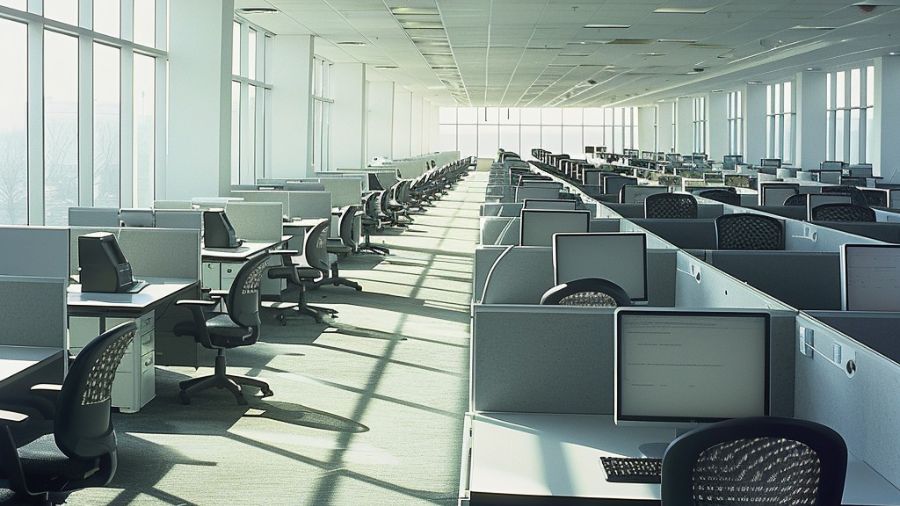
Empty seattle office space

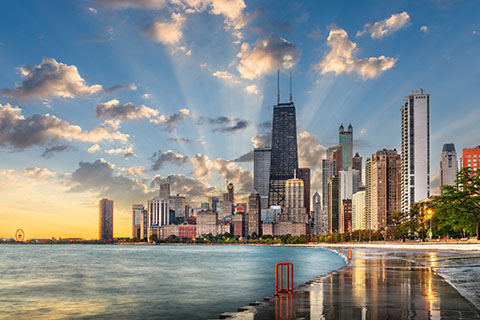
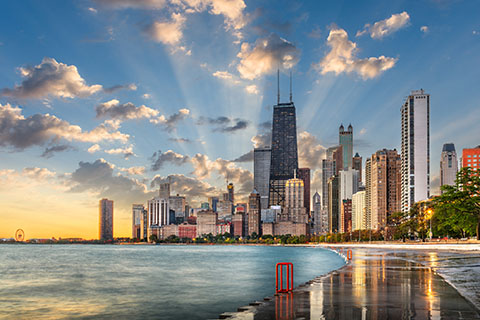
Seattle’s skyline still glitters—but behind those glass towers lies one of the highest commercial vacancy rates in the country. According to the latest national office report from CommercialCafe, Seattle now holds the second-highest office vacancy rate in the United States, trailing only San Francisco.

With vacancy sitting at 26.6%, well above the national average of 18.5%, Seattle’s once-booming commercial core is now wrestling with empty floors, shifting work cultures, and political change. In downtown alone, some submarkets are nearing or breaking 35% vacancy, with pockets like Pioneer Square reaching an astonishing 50%.

A New Mayor and an Old Problem

Mayor-elect Katie Wilson takes office on January 1, 2026—walking directly into one of the most challenging moments for Seattle’s commercial identity. Wilson, who defeated incumbent Bruce Harrell, campaigned on revitalization strategies including a potential vacancy tax or fine aimed at pushing landlords to fill unused space.

  • Vacancy tax: Incentivizing owners to activate idle offices and storefronts.
  • Office-to-housing conversions: Supporting transformations of outdated towers into residential units.
  • Downtown revitalization: Strengthening safety, affordability, homelessness response, and vibrancy ahead of the FIFA World Cup.

Business groups such as the Downtown Seattle Association warn that the new tax could backfire—pushing companies toward Bellevue and worsening the crisis. But Wilson emphasizes collaboration and signals openness to industry-guided solutions.

Tech Pullback Hits Seattle Harder Than Most

Seattle’s dependence on major tech employers has shaped its office-market trajectory. With Amazon, Microsoft, and other tech giants scaling back in-office operations, the ripple effects have struck the city’s real estate landscape with unusual force.

“Seattle still taxes like tech is privileged to be in Seattle,” a Reddit user noted on r/SeattleWA.

Companies like Meta and Google have shifted energy toward Bellevue, where easier commutes, growing infrastructure, and proximity to Microsoft make the Eastside increasingly appealing.

“Society Changed.” The Market Did Too.

Perhaps the most striking insights come from everyday professionals reacting online:

“Real estate investors dumped a fortune into spaces nobody wants… until they can adapt, they will sit empty.”
“I’ve worked remotely since the pandemic. I’m never commuting again.”

While lower commercial rents may help reboot small businesses downtown, others argue that some landlords are raising ground‑floor retail leases to compensate for empty office floors—tightening the squeeze on local shops and cafés.

Flickers of Hope in a Challenging Market

Not all signals are negative. Slalom renewed its 76,000‑square‑foot lease in Pioneer Square through 2034, choosing stability and character-rich workspace. Meanwhile, Seattle remains one of the few markets with office sale prices topping $200 per square foot, maintaining investor confidence.

And for tenants? There has rarely been a better time. Landlords are offering aggressive concessions—free rent, flexible lease terms, and substantial tenant improvement packages—placing power directly into tenant hands.

Can Seattle Reinvent Its Urban Core?

As Seattle reimagines its future, many are calling for sweeping rezoning and office-to-residential conversions. Yet experts warn the process isn’t easy: many mid‑century towers are costly and complex to transform.

“If it were profitable, more would have already been done,” one commenter observed.

Still, cities evolve—and Seattle has repeatedly demonstrated its resilience.

What This Means for Real Estate Professionals

For agents, investors, students, and property managers—Seattle represents a living case study in how remote work, economic shifts, and political leadership can reshape an entire real estate ecosystem.

Professionals studying through institutions like Cameron Academy often examine these trends closely. Understanding market cycles like Seattle’s helps prepare future industry leaders for similar shifts in their own regions.

Explore the full original report and ongoing updates at MyNorthwest.com.

More Articles

Getting licensed or staying ahead in your career can be a journey—but it doesn’t have to be overwhelming. Grab your favorite coffee or tea, take a moment to relax, and browse through our articles. Whether you’re just starting out or renewing your expertise, we’ve got tips, insights, and advice to keep you moving forward. Here’s to your success—one sip and one step at a time!

The Rise of Fintech: How Technology Is Reshaping Money and Modern Careers

Fintech has evolved from simple digital banking tools into a global force transforming how we pay, borrow, invest, and manage financial data. With AI, blockchain, and open banking leading the way, fintech is opening new opportunities for consumers, businesses, and professionals across real estate, mortgage, insurance, and finance.

Large CRE Deals Surge in Q3 2025 as Market Confidence Returns

After months of hesitation, the commercial real estate market showed a major resurgence in Q3 2025. Large single‑asset transactions over $10 million jumped to $76 billion — the strongest level since 2022 — signaling renewed liquidity and growing confidence among institutional buyers. While overall volumes remain below peak highs, rising deal counts, stabilizing prices, and increased activity across industrial, multifamily, office, and retail sectors point toward a market steadily moving back toward normalization.

California’s Insurance Crisis: Politics, Wildfires, and a System on the Brink

California’s property insurance market didn’t collapse overnight—it unraveled over years of political delays, soaring wildfire losses, and mounting pressure on insurers and reinsurers. As major carriers pulled out and rate approvals stalled, millions of homeowners were left scrambling for coverage under an overwhelmed FAIR Plan. At the center of the controversy stands Insurance Commissioner Ricardo Lara, whose decisions, industry ties, and behind‑the‑scenes negotiations have drawn sharp criticism. The result is a destabilized market affecting homeowners, real estate professionals, lenders, and entire communities—and the question of whether current reforms can truly fix what’s broken.

Large U.S. CRE Deals Roar Back in Q3 2025, Signaling Investor Confidence

After a slow start to the year, commercial real estate showed a major resurgence in Q3 2025 as large single‑asset deals over $10 million surged past $76 billion in volume. With 1,826 major trades and the strongest growth rate in more than a decade, investor confidence appears to be returning across U.S. markets. While overall volumes still trail the record highs of 2021–2022, the renewed momentum in big‑ticket transactions points to improving liquidity, clearer pricing, and a potentially pivotal turning point for brokers, investors, and industry professionals.

California’s Insurance Meltdown: The Crisis Reshaping Real Estate, Finance, and Insurance Nationwide

California’s property insurance market has unraveled into one of the most expensive and consequential crises in U.S. history. Major carriers pulled back, wildfire risks soared, regulators stalled, and the state’s FAIR Plan exploded in size — leaving hundreds of thousands of homeowners without affordable coverage. Now, with victims underinsured, premiums surging, and a billion‑dollar bailout looming, the fallout is spilling beyond California. For real estate, mortgage, finance, and insurance professionals across the country, this is a warning of what happens when rising climate risks collide with outdated regulatory systems.

Florida’s Next Mega-Development: Winchester Ranch Set to Add Nearly 9,000 Homes in Sarasota County

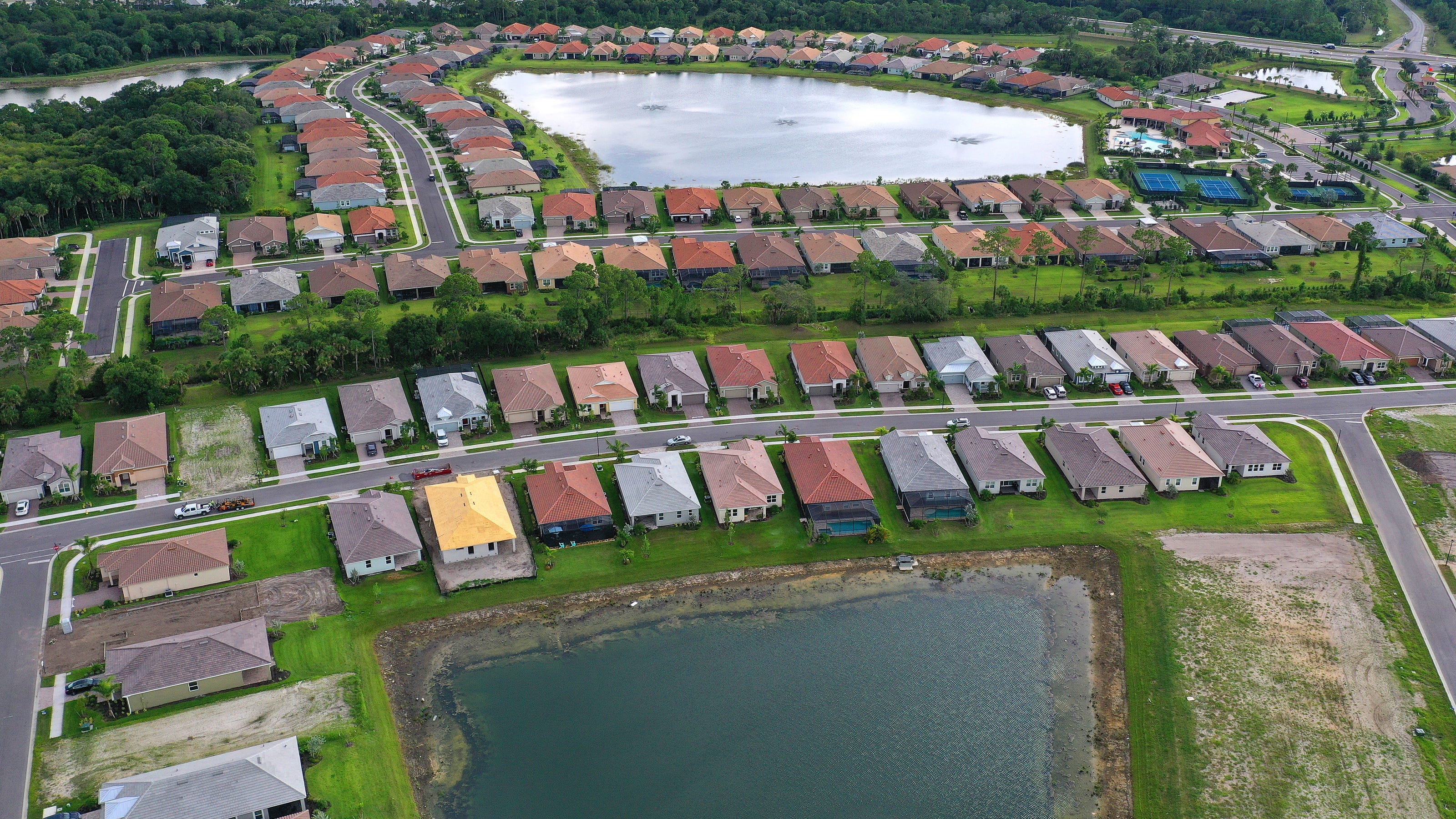
Sarasota County is on the brink of one of its largest modern expansions as the Winchester Ranch project moves closer to approval. Spanning more than 3,100 acres near North Port, the planned mega-development could bring up to 8,999 homes plus major commercial and industrial space. With construction projected to begin in 2027–2028, the community has sparked both excitement over new housing opportunities and concerns about environmental impact, placing it at the center of Florida’s ongoing growth debate.