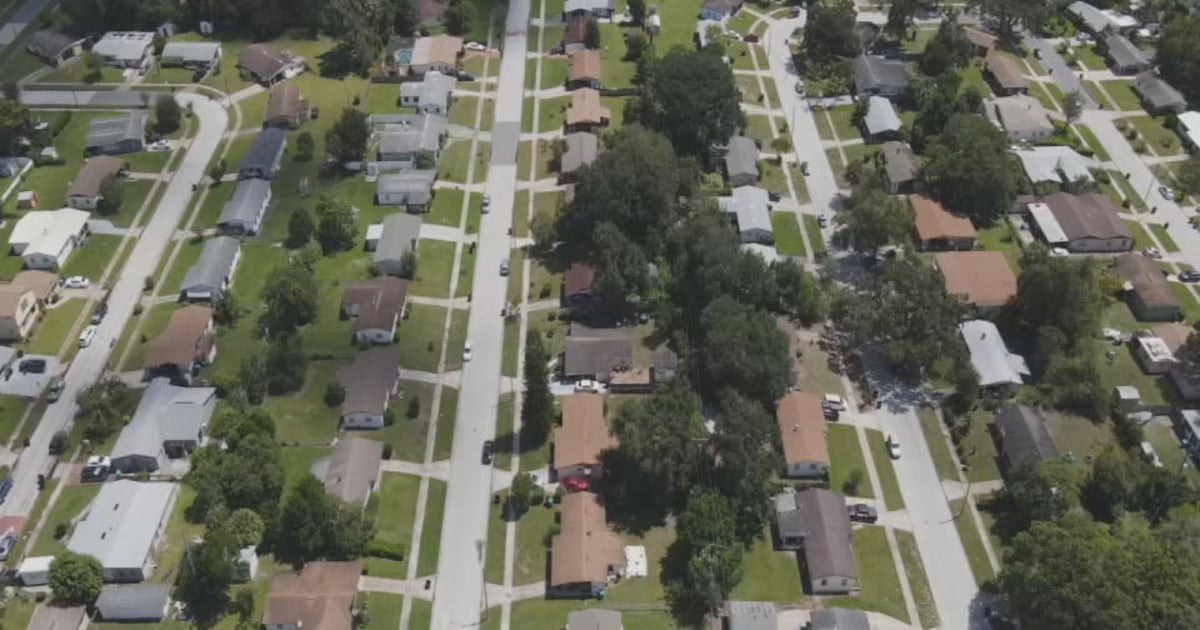
In a bold move to tackle Seattle’s housing crisis, Mayor Bruce Harrell has outlined details of the One Seattle Comprehensive Plan Update, aiming to revamp the city’s approach to housing through significant zoning changes and strategic growth strategies. This comprehensive update focuses on increasing housing capacity, emphasizing affordability, and fostering vibrant, livable communities across Seattle.
The plan, a visionary initiative to dramatically expand housing opportunities, is designed to address the pressing issues of affordability and availability in urban areas. With a target to increase Seattle’s housing capacity to over 330,000 units, the proposal is a response to current cost pressures and anticipated population growth. Mayor Harrell emphasized the importance of this once-in-a-decade opportunity to update Seattle’s Comprehensive Plan, allowing the city to meet its dynamic housing needs while centering core values of inclusivity and economic sustainability.
Key Components of the Update
Diverse Housing Types: The integration of diverse housing types such as duplexes, triplexes, and quadplexes citywide aligns with recent legislative changes under HB 1110. This aims to diversify housing options in all neighborhoods, bringing much-needed family-sized and community-friendly housing closer to amenities and transit routes.
Innovative Strategies: The plan introduces innovative strategies such as an Affordable Housing Bonus and expansion of the Mandatory Housing Affordability program, providing incentives for affordable housing development near frequent transit routes.
Urban Centers and Neighborhood Centers: The introduction of new Urban Centers and the designation of 30 Neighborhood Centers aim to boost housing availability near transit hubs, making Seattle’s neighborhoods more accessible and vibrant.
Commitment to Community Protection
The plan underscores the city’s commitment to protecting existing communities through robust anti-displacement measures, ensuring that vulnerable and historically marginalized communities can remain in their neighborhoods. Strategic investments in community-driven projects and new legislation to prevent predatory home buying are pivotal elements to mitigate displacement.
Through these proposed changes, Mayor Harrell seeks to position Seattle as a leader in addressing urban housing challenges, creating a more equitable and accessible city environment for all residents. The City of Seattle has invited public feedback on the draft zoning maps, with in-person and online sessions scheduled until December 20, 2024.
The comprehensive update is supported by local officials, housing advocates, and community leaders who express optimism about the plan’s potential to transform Seattle into a more inclusive, affordable, and sustainable city.
Statements from Stakeholders
Representative Nicole Macri: “I’m grateful for this plan which clearly addresses the escalating demand for increased and diverse housing across Seattle. It acknowledges the necessity to combat displacement risks for low-income and BIPOC communities, with a vision of affordable and accessible housing.”
Patience Malaba, Executive Director, Housing Development Consortium: “The increase in zoning capacity is a critical step towards alleviating the housing shortage by providing a wider variety of homes in every neighborhood. This plan actively promotes equitable, livable communities, aligning with our shared vision of a welcoming and sustainable city.”
Mayor Harrell’s release of the Comprehensive Plan Update is a strategic step towards a more inclusive future, ensuring Seattle grows responsibly to meet the housing needs of its diverse residents.
Getting licensed or staying ahead in your career can be a journey—but it doesn’t have to be overwhelming. Grab your favorite coffee or tea, take a moment to relax, and browse through our articles. Whether you’re just starting out or renewing your expertise, we’ve got tips, insights, and advice to keep you moving forward. Here’s to your success—one sip and one step at a time!
Florida homeowners — especially in hard‑hit South Florida — are set to see rare and substantial reductions in their property insurance premiums. Gov. Ron DeSantis announced an average statewide Citizens Insurance decrease of 8.7%, with even larger savings of up to 14% in counties like Miami-Dade, Broward, and Palm Beach. State officials credit recent legal and regulatory reforms for stabilizing the market, attracting new insurers, and delivering the first meaningful rate relief Floridians have seen in years.
Tampa’s commercial real estate market isn’t slowing—it’s maturing. With strong population growth, rising office demand, a normalized industrial sector, resurgent retail, and an emerging health‑care real estate boom, investors are shifting from speed to strategy. Tighter underwriting, cautious capital and increased due‑diligence are shaping a more disciplined market, creating new opportunities for informed professionals.
Florida homeowners are finally seeing relief as Citizens Property Insurance announces a major 8.7% average rate decrease—far larger than originally proposed. Driven by legislative reforms, fewer lawsuits, and a calm hurricane season, the state’s once‑unstable insurance market is showing real signs of recovery. But with reduced coverage limits and shifting legal protections, experts warn that lower premiums may come with hidden trade‑offs.
After a decade of rising premiums and retreating carriers, Florida homeowners are finally seeing long‑awaited relief. Dozens of insurers have filed for rate decreases—some as high as 11%—thanks to legislative reforms and a stabilizing market. Early approvals are already hitting counties across the state, and experts say the momentum could boost buyer confidence, affordability, and competition throughout Florida’s real estate and insurance sectors.
After years of slowed activity caused by rising interest rates, the self‑storage industry is heating up again. New data from Marcus & Millichap shows a fresh market cycle emerging, driven by renewed buyer confidence, recalibrated pricing, and stronger lender participation. Acquisitions are rebounding, development is resetting in a healthier direction, and financing conditions are improving—creating one of the most promising investment landscapes the sector has seen in years.
Brookline’s newly updated FEMA flood maps identify 97 high‑risk parcels, but local experts warn the true threat is far greater. While FEMA highlights river‑based flooding around Leverett Pond and the Muddy River, alternative models show more than 1,300 Brookline properties at risk within 30 years. Hidden vulnerabilities along major corridors like Beacon Street, rising rainfall intensity, aging infrastructure, and climate‑driven storm patterns suggest that many “low‑risk” areas may be anything but safe.