“`html

In a significant development, the Securities and Exchange Commission (SEC), through its Division of Examinations, has unveiled its 2025 examination priorities. These priorities, designed for registered investment advisers, investment companies, and broker-dealers, reflect a comprehensive focus on areas such as private fund advisers, Regulation Best Interest (Reg BI) compliance, and cybersecurity. The backdrop of a changing presidential administration adds a layer of complexity, though the SEC is known for maintaining continuity in its enforcement areas.


Eric t. Mikkelson Carissa occhipinto

Investment Advisers

The Division will prioritize examinations for investment advisers who have not previously been examined, with a strong emphasis on fiduciary standards, compliance programs, and private fund advisers. The focus will extend to reviewing investment advice, compliance programs, and ensuring transparency and disclosure in conflicts of interest, particularly in complex and high-cost products.


Fiduciary Duties

The Division remains focused on investment advisers’ adherence to fiduciary standards of conduct in 2025. As fiduciaries, advisers owe duties of care and loyalty to their clients. This means advisers must act in the best interests of their clients at all times, and they must eliminate or make full and fair disclosure of all conflicts of interest that have the potential to impact an advisers’ ability to render disinterested advice.


Broker-Dealers

Broker-dealers will be under scrutiny for their compliance with Regulation Best Interest and Form CRS obligations. Examinations will assess the soundness of investment recommendations and the adequacy of disclosure practices. Other emphasized areas include financial responsibility and trading-related practices.


Regulation Best Interest

With respect to broker-dealers, the Division will continue to examine broker-dealer practices related to Reg BI, which establishes the standard of conduct broker-dealers must follow when recommending securities transactions or strategies to clients.


Risk Areas

Key risk areas identified for 2025 include cybersecurity, financial technologies, and crypto assets. The Division stresses the importance of robust cybersecurity measures, compliance with recent regulatory amendments, and the responsible integration of financial technologies like AI in investment tools and advisory services.


By maintaining focus on these crucial areas, the Division aims to safeguard investors and ensure the stability and integrity of the financial markets. For more detailed insights, you can refer to the original article by Eric Mikkelson and Carissa Occhipinto on Stinson LLP’s website.


Download the PDF version for further reading.
“`

More Articles

Getting licensed or staying ahead in your career can be a journey—but it doesn’t have to be overwhelming. Grab your favorite coffee or tea, take a moment to relax, and browse through our articles. Whether you’re just starting out or renewing your expertise, we’ve got tips, insights, and advice to keep you moving forward. Here’s to your success—one sip and one step at a time!

KBank’s Crypto Dilemma: Navigating Legislative Changes Amid IPO Plans

The financial landscape in South Korea is poised for a seismic shift as KBank, a major digital bank, grapples with a legislative curveball. The bank, which is heavily reliant on deposits from Upbit, Korea’s dominant cryptocurrency exchange, is facing a potential profit squeeze. The new Virtual Asset User Protection Act, set to take effect on July 19, 2024, mandates that banks must pay interest on crypto exchange deposits, a move that could severely impact KBank's bottom line.

By |December 29, 2024|Categories: Article, Cryptocurrency, Finance|Tags: |0 Comments

The Transformation of Healthcare: AI’s Role in Diagnostics and Personalized Medicine

AI's ability to analyze vast amounts of data is paving the way for a profound change in medical diagnostics. Khosla predicted that AI could take over up to 80% of standard medical tasks, reducing errors and biases in human diagnosis. This is particularly evident in fields like radiology and pathology, where AI's proficiency in analyzing medical imaging allows for the early detection of diseases such as cancer, significantly improving treatment outcomes.

The Geography of Pandemic-Era Home Price Trends and Implications for Affordability

The COVID-19 pandemic has dramatically reshaped the housing market landscape, resulting in an unprecedented surge in home prices throughout the United States.

By |December 28, 2024|Categories: Affordability Issues, Article, Housing Market|Tags: |0 Comments

AI in Healthcare: Transforming the Industry Today and Tomorrow

In a world where technology is rapidly evolving, artificial intelligence (AI) is proving to be a game-changer in the healthcare sector. AI-powered tools are improving patient outcomes, enhancing operational efficiency, and reducing costs, reshaping the very fabric of healthcare delivery.

By |December 28, 2024|Categories: Article, Artificial Intelligence, Healthcare|Tags: |0 Comments

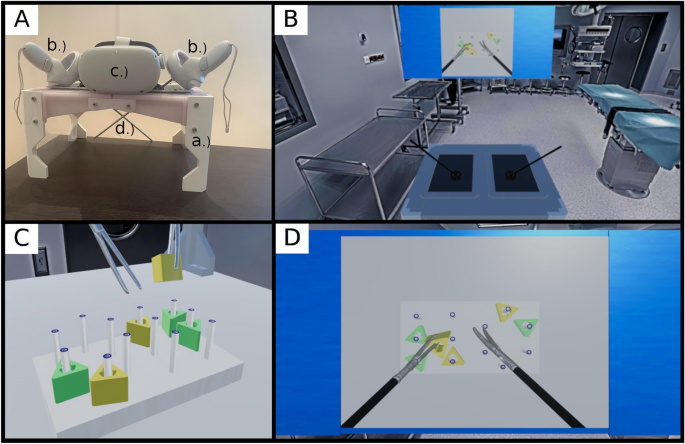
Revolutionizing Surgical Training with VR and AI

In a groundbreaking study published by Nature, researchers have unveiled a novel approach to surgical training using a low-fidelity virtual reality (VR) simulator enhanced with artificial intelligence (AI) for objective assessment. This pioneering method is poised to transform how medical students acquire laparoscopic skills, offering a cost-effective and efficient alternative to traditional training models.

AI and Machine Learning: Revolutionizing the Healthcare Industry

AI in healthcare is projected to grow into a $188 billion industry worldwide by 2030, promising to revolutionize the field. From drug development to improved diagnostics, AI is already making significant strides, transforming medical practices and enhancing patient care efficiency.

By |December 27, 2024|Categories: Article, Healthcare, Technology|Tags: , |0 Comments