

“`html

In a significant development, the Securities and Exchange Commission (SEC), through its Division of Examinations, has unveiled its 2025 examination priorities. These priorities, designed for registered investment advisers, investment companies, and broker-dealers, reflect a comprehensive focus on areas such as private fund advisers, Regulation Best Interest (Reg BI) compliance, and cybersecurity. The backdrop of a changing presidential administration adds a layer of complexity, though the SEC is known for maintaining continuity in its enforcement areas.


Eric t. Mikkelson Carissa occhipinto

Investment Advisers

The Division will prioritize examinations for investment advisers who have not previously been examined, with a strong emphasis on fiduciary standards, compliance programs, and private fund advisers. The focus will extend to reviewing investment advice, compliance programs, and ensuring transparency and disclosure in conflicts of interest, particularly in complex and high-cost products.


Fiduciary Duties

The Division remains focused on investment advisers’ adherence to fiduciary standards of conduct in 2025. As fiduciaries, advisers owe duties of care and loyalty to their clients. This means advisers must act in the best interests of their clients at all times, and they must eliminate or make full and fair disclosure of all conflicts of interest that have the potential to impact an advisers’ ability to render disinterested advice.


Broker-Dealers

Broker-dealers will be under scrutiny for their compliance with Regulation Best Interest and Form CRS obligations. Examinations will assess the soundness of investment recommendations and the adequacy of disclosure practices. Other emphasized areas include financial responsibility and trading-related practices.


Regulation Best Interest

With respect to broker-dealers, the Division will continue to examine broker-dealer practices related to Reg BI, which establishes the standard of conduct broker-dealers must follow when recommending securities transactions or strategies to clients.


Risk Areas

Key risk areas identified for 2025 include cybersecurity, financial technologies, and crypto assets. The Division stresses the importance of robust cybersecurity measures, compliance with recent regulatory amendments, and the responsible integration of financial technologies like AI in investment tools and advisory services.


By maintaining focus on these crucial areas, the Division aims to safeguard investors and ensure the stability and integrity of the financial markets. For more detailed insights, you can refer to the original article by Eric Mikkelson and Carissa Occhipinto on Stinson LLP’s website.


Download the PDF version for further reading.
“`

More Articles

Getting licensed or staying ahead in your career can be a journey—but it doesn’t have to be overwhelming. Grab your favorite coffee or tea, take a moment to relax, and browse through our articles. Whether you’re just starting out or renewing your expertise, we’ve got tips, insights, and advice to keep you moving forward. Here’s to your success—one sip and one step at a time!

2025 Commercial Real Estate Outlook: Navigating a New Era

The commercial real estate landscape is on the brink of transformation as leaders seek to navigate the challenges of recent years and position their organizations for future opportunities.

The Emerging Mental Health Crisis Among Healthcare Workers During the COVID-19 Pandemic

The pandemic has ushered in a wave of mental health challenges that affect healthcare workers profoundly. From the onset of COVID-19, these professionals have been at the forefront, facing immense pressure, long hours, and the constant fear of exposure.

By |December 18, 2024|Categories: Article, Healthcare Workers, Mental Health|Tags: , |0 Comments

Ethical Concerns of Large Language Models in Healthcare

Exploring the dual nature of LLMs offers substantial benefits in healthcare but also raises significant ethical concerns, underscoring the need for well-defined guidelines and human oversight.

The Role of Wearable Devices in Chronic Disease Monitoring and Patient Care: A Comprehensive Review

Wearable devices have become integral in managing chronic conditions by providing continuous health data, empowering patients and healthcare professionals with insights that were previously unattainable.

AI Training Mandates: Navigating Legal Waters in Dentistry

The integration of artificial intelligence (AI) into dental practices is more than a technological trend; it represents a seismic shift in the industry. This transformation is reshaping skill sets and prompting a thorough examination of legal and ethical implications.

By |December 17, 2024|Categories: Article, Legal, Technology|Tags: , |0 Comments

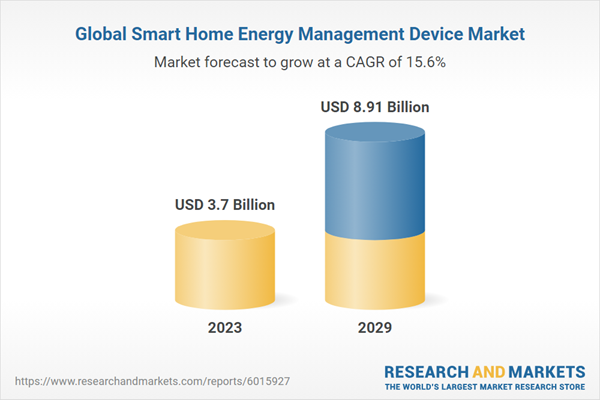
Smart Home Energy Management Devices: A Market Poised for Growth

The Global Smart Home Energy Management Device Market is on the brink of a significant transformation, driven by escalating demands for energy-efficient solutions and the increasing adoption of smart home technologies.