“`html

In a significant development, the Securities and Exchange Commission (SEC), through its Division of Examinations, has unveiled its 2025 examination priorities. These priorities, designed for registered investment advisers, investment companies, and broker-dealers, reflect a comprehensive focus on areas such as private fund advisers, Regulation Best Interest (Reg BI) compliance, and cybersecurity. The backdrop of a changing presidential administration adds a layer of complexity, though the SEC is known for maintaining continuity in its enforcement areas.


Eric t. Mikkelson Carissa occhipinto

Investment Advisers

The Division will prioritize examinations for investment advisers who have not previously been examined, with a strong emphasis on fiduciary standards, compliance programs, and private fund advisers. The focus will extend to reviewing investment advice, compliance programs, and ensuring transparency and disclosure in conflicts of interest, particularly in complex and high-cost products.


Fiduciary Duties

The Division remains focused on investment advisers’ adherence to fiduciary standards of conduct in 2025. As fiduciaries, advisers owe duties of care and loyalty to their clients. This means advisers must act in the best interests of their clients at all times, and they must eliminate or make full and fair disclosure of all conflicts of interest that have the potential to impact an advisers’ ability to render disinterested advice.


Broker-Dealers

Broker-dealers will be under scrutiny for their compliance with Regulation Best Interest and Form CRS obligations. Examinations will assess the soundness of investment recommendations and the adequacy of disclosure practices. Other emphasized areas include financial responsibility and trading-related practices.


Regulation Best Interest

With respect to broker-dealers, the Division will continue to examine broker-dealer practices related to Reg BI, which establishes the standard of conduct broker-dealers must follow when recommending securities transactions or strategies to clients.


Risk Areas

Key risk areas identified for 2025 include cybersecurity, financial technologies, and crypto assets. The Division stresses the importance of robust cybersecurity measures, compliance with recent regulatory amendments, and the responsible integration of financial technologies like AI in investment tools and advisory services.


By maintaining focus on these crucial areas, the Division aims to safeguard investors and ensure the stability and integrity of the financial markets. For more detailed insights, you can refer to the original article by Eric Mikkelson and Carissa Occhipinto on Stinson LLP’s website.


Download the PDF version for further reading.
“`

More Articles

Getting licensed or staying ahead in your career can be a journey—but it doesn’t have to be overwhelming. Grab your favorite coffee or tea, take a moment to relax, and browse through our articles. Whether you’re just starting out or renewing your expertise, we’ve got tips, insights, and advice to keep you moving forward. Here’s to your success—one sip and one step at a time!

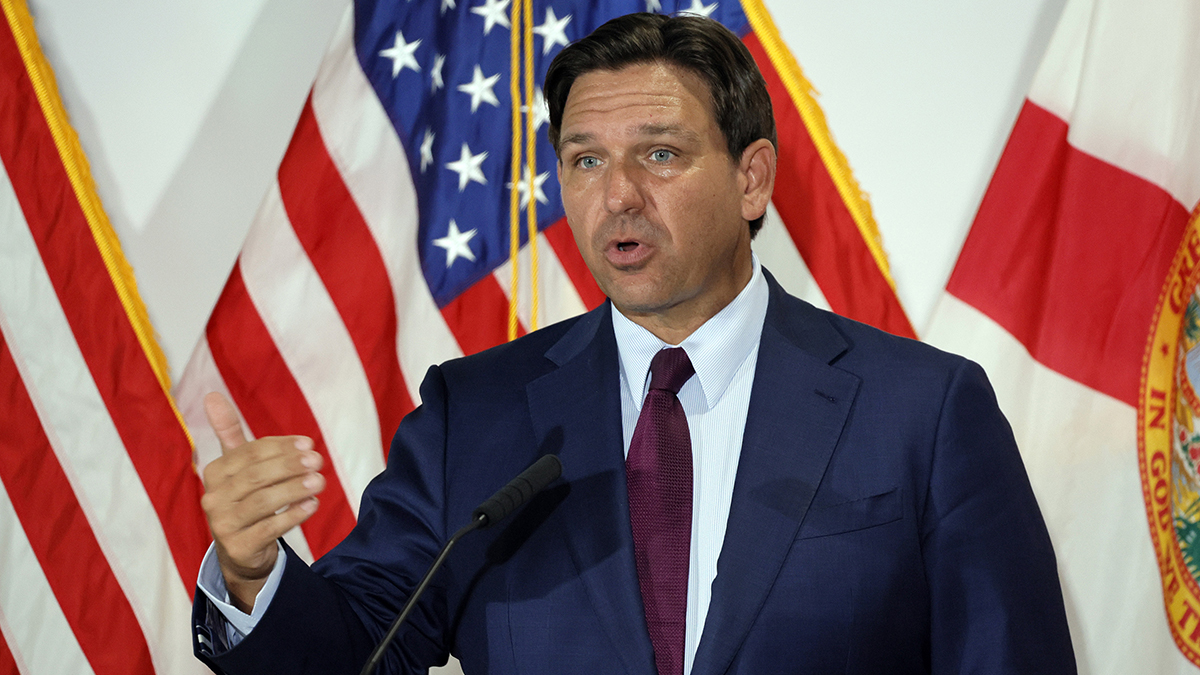
Florida Homeowners Finally Get Relief as Gov. DeSantis Announces Significant Insurance Premium Cuts

Florida homeowners — especially in hard‑hit South Florida — are set to see rare and substantial reductions in their property insurance premiums. Gov. Ron DeSantis announced an average statewide Citizens Insurance decrease of 8.7%, with even larger savings of up to 14% in counties like Miami-Dade, Broward, and Palm Beach. State officials credit recent legal and regulatory reforms for stabilizing the market, attracting new insurers, and delivering the first meaningful rate relief Floridians have seen in years.

Tampa’s Real Estate Market Enters a Smarter, More Selective Growth Phase

Tampa’s commercial real estate market isn’t slowing—it’s maturing. With strong population growth, rising office demand, a normalized industrial sector, resurgent retail, and an emerging health‑care real estate boom, investors are shifting from speed to strategy. Tighter underwriting, cautious capital and increased due‑diligence are shaping a more disciplined market, creating new opportunities for informed professionals.

Florida Slashes Home Insurance Rates: Biggest Drop in a Decade Sends Shockwaves Through the Market

Florida homeowners are finally seeing relief as Citizens Property Insurance announces a major 8.7% average rate decrease—far larger than originally proposed. Driven by legislative reforms, fewer lawsuits, and a calm hurricane season, the state’s once‑unstable insurance market is showing real signs of recovery. But with reduced coverage limits and shifting legal protections, experts warn that lower premiums may come with hidden trade‑offs.

Florida Homeowners Finally Get Insurance Relief After Years of Soaring Premiums

After a decade of rising premiums and retreating carriers, Florida homeowners are finally seeing long‑awaited relief. Dozens of insurers have filed for rate decreases—some as high as 11%—thanks to legislative reforms and a stabilizing market. Early approvals are already hitting counties across the state, and experts say the momentum could boost buyer confidence, affordability, and competition throughout Florida’s real estate and insurance sectors.

Self‑Storage Investing in 2026: A Market Thaw Opens the Door to Big Opportunities

After years of slowed activity caused by rising interest rates, the self‑storage industry is heating up again. New data from Marcus & Millichap shows a fresh market cycle emerging, driven by renewed buyer confidence, recalibrated pricing, and stronger lender participation. Acquisitions are rebounding, development is resetting in a healthier direction, and financing conditions are improving—creating one of the most promising investment landscapes the sector has seen in years.

Brookline’s Real Flood Risk: What FEMA’s New Maps Reveal—and What They Miss

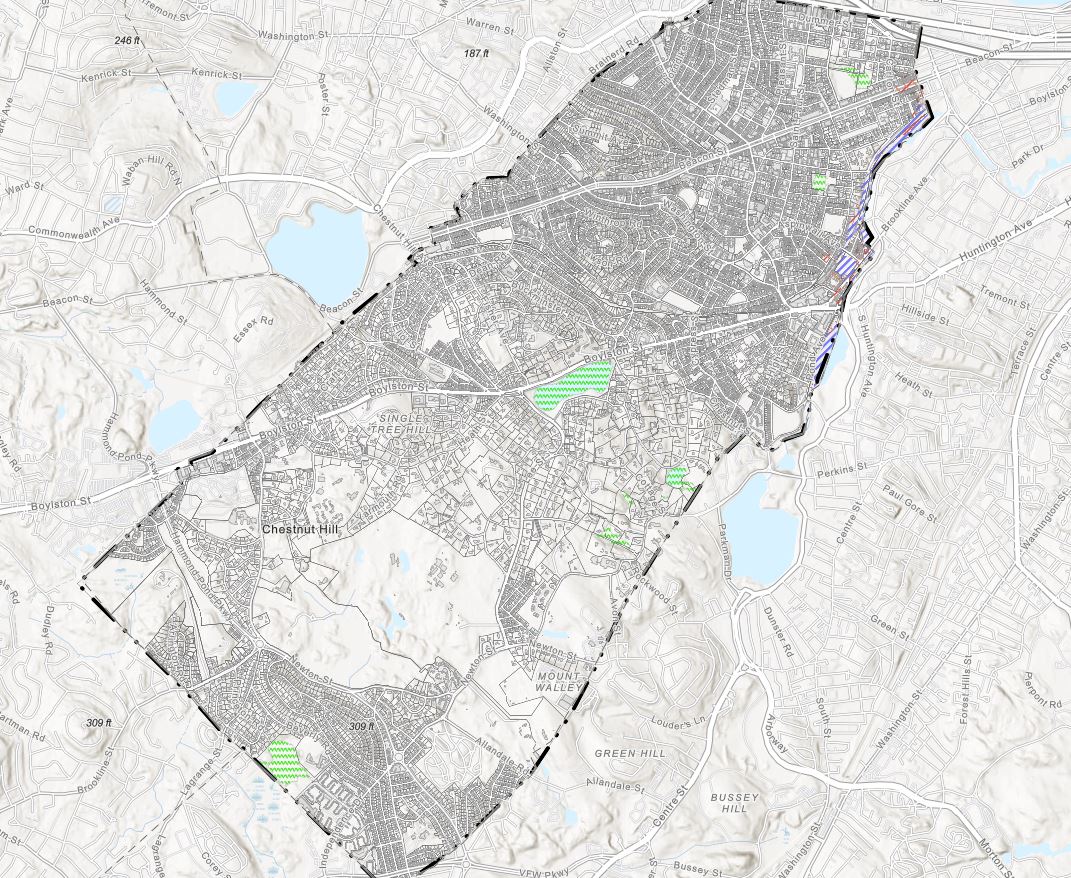
Brookline’s newly updated FEMA flood maps identify 97 high‑risk parcels, but local experts warn the true threat is far greater. While FEMA highlights river‑based flooding around Leverett Pond and the Muddy River, alternative models show more than 1,300 Brookline properties at risk within 30 years. Hidden vulnerabilities along major corridors like Beacon Street, rising rainfall intensity, aging infrastructure, and climate‑driven storm patterns suggest that many “low‑risk” areas may be anything but safe.