In a significant announcement that could reshape the landscape of financial regulation, the Securities and Exchange Commission (SEC) has unveiled its examination priorities for 2025. This comprehensive list, released by the SEC’s Division of Examinations, aims to inform registered investment advisers, investment companies, and broker-dealers about the potential areas of scrutiny in the upcoming year.


With a changing presidential administration on the horizon, the SEC’s focus could shift significantly. However, as history suggests, many of the priorities outlined by the Division are likely to persist, irrespective of political changes. Therefore, it is crucial for stakeholders to review these priorities meticulously and seek counsel if necessary.


Investment Advisers: A Continued Focus

The SEC’s Division of Examinations will continue its tradition of prioritizing the examination of investment advisers, with a particular focus on those who have never been examined, newly-registered advisers, and those who haven’t been reviewed recently. In 2025, the Division will emphasize fiduciary standards, compliance programs, and private fund advisers.


Fiduciary Duties

Investment advisers must adhere to fiduciary standards of conduct, acting in the best interests of their clients at all times. The Division will scrutinize investment advice, especially concerning high-cost products, unconventional instruments, and assets sensitive to market conditions. Dual-registrants and advisers with affiliated broker-dealers will also face increased examination.


Compliance Programs

Compliance with Rule 206(4)-7 under the Investment Advisers Act of 1940 remains a priority. The Division will evaluate core compliance areas such as marketing, valuation, and trading. Special attention will be given to advisers integrating AI into their operations or those dealing with illiquid assets.


Private Fund Advisers

The Division will continue to focus on private fund advisers, particularly those employing strategies sensitive to market volatility. The review will include conflicts of interest disclosures and adherence to recent regulatory amendments.


Broker-Dealers: Upholding Standards

Broker-dealers will face rigorous examinations concerning Regulation Best Interest (Reg BI) and Form CRS obligations. Financial responsibility and trading-related practices will also be under scrutiny.


Regulation Best Interest

The Division will assess whether broker-dealers make recommendations in the best interests of their clients, focusing on complex and high-risk products. Automated recommendations and those made to specific investor groups will also be reviewed.


Form CRS

Broker-dealers must provide a “relationship summary” within Form CRS to all retail investors, detailing services, fees, and conflicts of interest. The Division will review these summaries for accuracy and completeness.


Financial Responsibility and Trading Practices

Examinations will prioritize compliance with financial responsibility rules and trading practices, including those related to pre-IPO companies and private shares.


Key Risk Areas

The SEC’s 2025 priorities also highlight cybersecurity, compliance with recent amendments, and the use of financial technologies as key risk areas.


Cybersecurity

Ensuring robust cybersecurity practices remains a top priority. The Division will focus on policies, governance, and third-party risks to prevent service interruptions and protect investor information.


Compliance with Recent Amendments

The Division will assess compliance with new data breach notification standards and regulations affecting data protection and trading practices.


Financial Technologies and AI

With AI’s rise, the Division will scrutinize its use in investment tools and digital engagement practices. Firms must ensure AI representations are accurate and that adequate monitoring and supervision are in place.


Crypto Assets

Crypto assets remain a priority, with examinations focusing on compliance practices and risk disclosures related to crypto securities.


These priorities, while not exhaustive, serve as a reference for potential risks and compliance areas. For more detailed insights, the original article by Eric T. Mikkelson and Carissa Occhipinto can be accessed here.


More Articles

Getting licensed or staying ahead in your career can be a journey—but it doesn’t have to be overwhelming. Grab your favorite coffee or tea, take a moment to relax, and browse through our articles. Whether you’re just starting out or renewing your expertise, we’ve got tips, insights, and advice to keep you moving forward. Here’s to your success—one sip and one step at a time!

Building an Integrated Approach to Real Estate Sustainability

Nearly 60% of global real estate CFOs lack the necessary data, processes, or internal controls to comply with current environmental regulations.

The Blockchain Revolution: Building the Future of Finance with DeFi

DeFi emerges as a beacon of transformation, promising to revolutionize how we interact with money. DeFi stands at the forefront, offering instant, transparent transactions without the constraints of conventional banking systems. This new paradigm opens doors to innovative investment opportunities and fosters a more inclusive global economy.

By |December 8, 2024|Categories: Article, Finance, Technology|Tags: , |0 Comments

Artificial Intelligence: A New Frontier in Neurological Care

AI's integration into neurology is not just a fleeting trend; it's a significant shift in how healthcare professionals approach complex neurological disorders.

By |December 8, 2024|Categories: Article, Healthcare, Technology|Tags: , |0 Comments

Celebrating Commitment to Physician Well-being

The American Medical Association (AMA) has recognized 62 health care organizations through its Joy in Medicine™ Health System Recognition Program. These organizations, representing over 140,000 physicians, have been acknowledged for their innovative strategies aimed at reducing stress and enhancing mental health among doctors.

Global Hospital Services Market Set for Substantial Growth

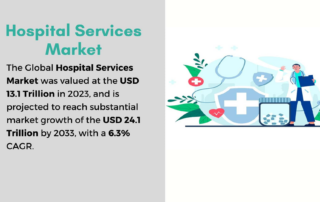
The global hospital services market is undergoing a significant transformation, with projections indicating robust growth over the next decade. As of 2023, the market was valued at USD 13.1 trillion and is expected to soar to an impressive USD 24.1 trillion by 2033, boasting a compound annual growth rate (CAGR) of 6.3%. This optimistic forecast, reported by Market.us Media, is driven by advancements in medical technology, increased healthcare expenditures, and the rising prevalence of chronic diseases.

By |December 7, 2024|Categories: Article, Healthcare, Market Analysis|Tags: , |0 Comments

Unlocking the Potential of Modular Construction in Ontario’s Housing Market

In the bustling realm of Ontario's housing market, modular construction is emerging as a beacon of hope amid a pressing demand for new homes.


By |December 7, 2024|Categories: Article, Construction, Technology|Tags: , |0 Comments