On October 21, 2024, the Division of Examinations of the Securities and Exchange Commission (SEC) released its much-anticipated 2025 examination priorities. This announcement serves as a crucial guide for registered investment advisers, investment companies, and broker-dealers, highlighting areas under scrutiny for the upcoming year. Despite the potential for shifts in focus due to a changing presidential administration, many core enforcement areas are expected to remain consistent.

Key areas of focus include conflicts of interest disclosures, compliance with Regulation Best Interest (Reg BI), cybersecurity, and the growing impact of artificial intelligence and crypto assets. The Division’s emphasis on these areas signals its commitment to maintaining rigorous standards in the financial sector.

Investment Advisers

The Division maintains its tradition of prioritizing examinations for investment advisers who have never been examined, newly-registered advisers, and those not recently reviewed. The focus for 2025 will be on fiduciary standards, compliance programs, and private fund advisers.

Fiduciary Duties

Investment advisers must adhere to fiduciary standards of conduct, acting in the best interests of their clients. The Division will pay close attention to advice on high-cost products, unconventional instruments, and assets sensitive to market changes, such as commercial real estate.

Compliance Programs

Compliance with Rule 206(4)-7 under the Investment Advisers Act of 1940 remains a priority. This includes adopting and implementing compliance policies, designating a chief compliance officer, and conducting annual reviews. The Division will evaluate core compliance areas, including marketing, valuation, and portfolio management.

Broker-Dealers

The SEC has previously taken action against broker-dealers for Reg BI violations and Form CRS obligations. In 2025, these remain top priorities, along with financial responsibility and trading-related practices.

Regulation Best Interest

Broker-dealers must ensure recommendations are in the best interests of their clients. The Division will assess conflict of interest disclosures and practices for identifying, mitigating, and eliminating conflicts.

Form CRS

Broker-dealers are required to provide Form CRS to all retail investors. The Division will review the content of these relationship summaries for accuracy and completeness.

Risk Areas

Cybersecurity, compliance with recent regulatory amendments, financial technologies, and crypto assets are highlighted as presenting the highest risks to investors and markets.

Cybersecurity

The Division will focus on registrant practices to prevent service interruptions and protect investor information, emphasizing policies, governance, and incident response.

Financial Technologies

With the rise of AI, the 2025 priorities emphasize the use of automated investment tools and digital engagement practices. The Division will assess how AI is implemented and monitored.

For more detailed insights, you can refer to the original article by Eric Mikkelson and Carissa Occhipinto at Stinson LLP.

More Articles

Getting licensed or staying ahead in your career can be a journey—but it doesn’t have to be overwhelming. Grab your favorite coffee or tea, take a moment to relax, and browse through our articles. Whether you’re just starting out or renewing your expertise, we’ve got tips, insights, and advice to keep you moving forward. Here’s to your success—one sip and one step at a time!

Is Florida’s Booming Real Estate Market Becoming Unaffordable?

Florida is facing a real estate crisis marked by skyrocketing insurance premiums, stringent FEMA rules, and a surge in hedge fund property acquisitions.

By |November 14, 2024|Categories: Article, Finance/Economy, Real Estate|Tags: , |0 Comments

Revolutionizing Cancer Therapy: The Promise of Patient-Derived Organoids

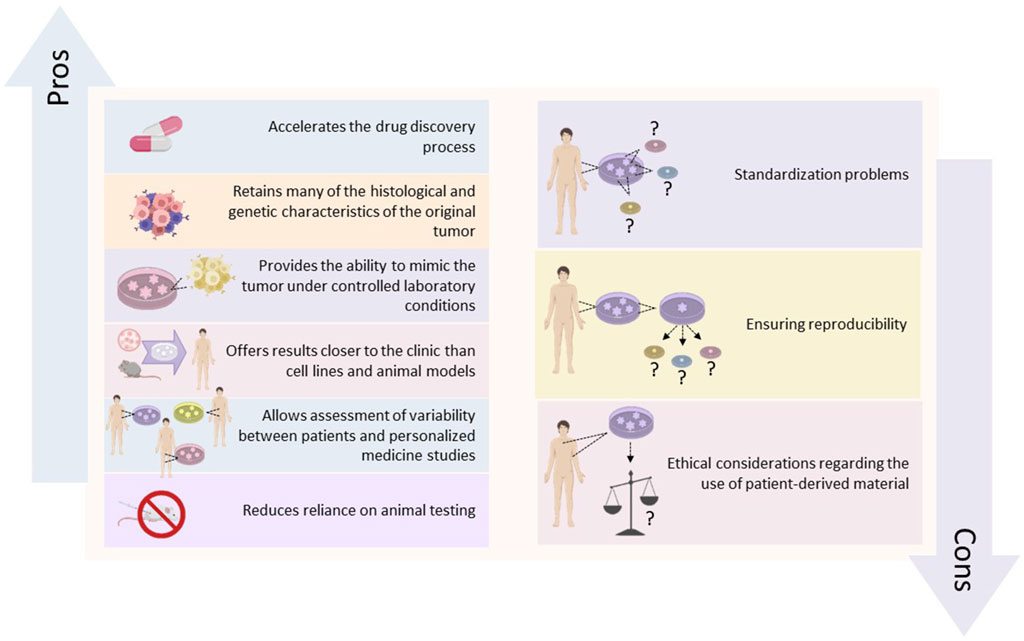
Patient-derived organoids offer an unprecedented opportunity to replicate the complex structure and genetic makeup of cancers, providing a more accurate model for clinical drug screening and pharmacognostic assessment.

The AI Revolution in Dermatology: A Systematic Review

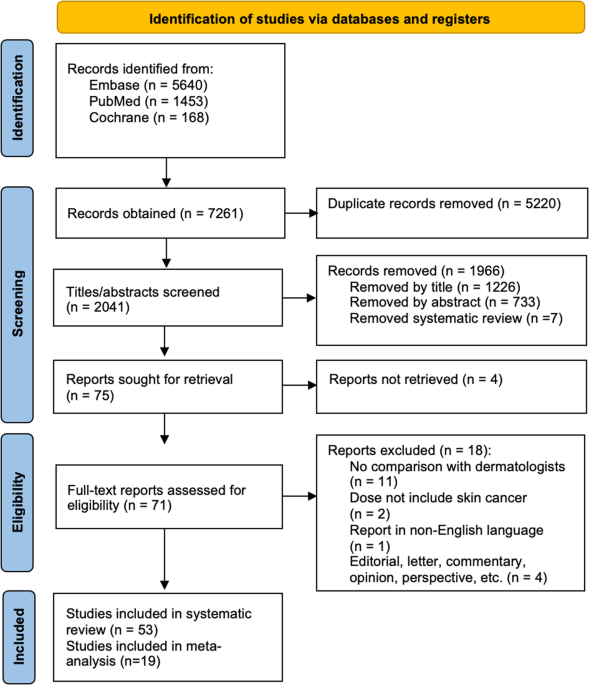
In a groundbreaking study published in Nature, researchers have delved into the burgeoning field of artificial intelligence (AI) in dermatology, specifically examining its role in diagnosing skin cancer. The study, titled "A Systematic Review and Meta-Analysis of Artificial Intelligence Versus Clinicians for Skin Cancer Diagnosis," offers a comprehensive look at how AI stacks up against human clinicians in this critical area of healthcare.

By |November 14, 2024|Categories: AI in Healthcare, Article, Dermatology|Tags: , |0 Comments

The Fast Lane to Fully Autonomous Vehicles: Industry Innovations and Future Prospects

The automotive world is abuzz with announcements from major players like Tesla, Rimac, Renault, and Nissan, each unveiling plans to introduce autonomous vehicles in the near future. Tesla's much-anticipated "CyberCab" is set for an October 2024 debut, while Rimac and Renault are gearing up for releases in 2026.

Futureproofing for Insurers: The Role of AI and Hyper-Personalization

In a rapidly evolving industry, insurance companies are turning to artificial intelligence (AI) and hyper-personalization to stay ahead of the curve.

Revolutionizing Healthcare: The Power and Potential of AI

AI technology offers a multitude of benefits, from enhancing patient outcomes to reducing healthcare costs and improving population health. Its application ranges from preventive screenings to complex diagnostic procedures, marking a new era in medical care.

By |November 13, 2024|Categories: Article, Artificial Intelligence, Healthcare|Tags: , |0 Comments