“`html

In a significant move, the Securities and Exchange Commission’s (SEC) Division of Examinations has unveiled its 2025 examination priorities, setting the stage for what could be a transformative year in financial regulation. The release, dated October 21, 2024, aims to guide registered investment advisers, investment companies, and broker-dealers on the areas of focus during upcoming examinations.


The 2025 priorities come amidst a changing presidential administration, which could lead to shifts in SEC focus. However, many of the priorities are expected to persist, emphasizing the need for firms to carefully review these priorities and consult with legal counsel as needed.


Investment Advisers

The SEC’s Division will continue to prioritize examinations of investment advisers, particularly those who have never been examined or have not been examined recently. Key areas of focus will include fiduciary standards, compliance programs, and private fund advisers.


Fiduciary Duties

Investment advisers must adhere to fiduciary standards of conduct, acting in the best interests of their clients and disclosing any conflicts of interest. The Division will scrutinize investment advice related to high-cost products, unconventional instruments, and assets sensitive to market changes.


Compliance Programs

Compliance with Rule 206(4)-7 under the Investment Advisers Act of 1940 remains a priority. Examinations will evaluate core compliance areas such as marketing, valuation, and trading. Special attention will be given to advisers integrating AI into their operations.


Private Fund Advisers

Private fund advisers will also be under the spotlight, especially those using investment strategies sensitive to market volatility and interest rate changes. The Division will examine conflicts of interest disclosures and compliance with new regulatory amendments.


Broker-Dealers

For broker-dealers, Regulation Best Interest (Reg BI) and Form CRS obligations remain top priorities. The Division will assess whether broker-dealers are making recommendations in the best interests of their clients and properly disclosing conflicts of interest.


Regulation Best Interest

Broker-dealers must ensure that their recommendations are in the best interests of their clients. Examinations will focus on complex and high-risk products, including crypto assets and structured products.


Form CRS

The SEC requires broker-dealers to provide Form CRS to retail investors, detailing their relationships, services, and fees. The Division will review the content of these summaries to ensure transparency and compliance.


Risk Areas

Several key risk areas have been highlighted, including cybersecurity, compliance with recent amendments, financial technologies, and crypto assets. The Division will ensure that practices prevent service interruptions and protect investor information.


Cybersecurity

Examinations will focus on policies and procedures to prevent data breaches and protect client information, with special attention to the use of third-party products and services.


Financial Technologies

With AI on the rise, the Division will review the use of automated investment tools and ensure that firms monitor and supervise AI use effectively.


Crypto Assets

Crypto assets remain a top priority, with examinations reviewing compliance practices and risk disclosures related to crypto securities.


For a more detailed exploration of these priorities, the original article by Eric Mikkelson and Carissa Occhipinto can be found on Stinson LLP’s website. This comprehensive guide underscores the SEC’s commitment to safeguarding investors and ensuring market integrity.


“`

More Articles

Getting licensed or staying ahead in your career can be a journey—but it doesn’t have to be overwhelming. Grab your favorite coffee or tea, take a moment to relax, and browse through our articles. Whether you’re just starting out or renewing your expertise, we’ve got tips, insights, and advice to keep you moving forward. Here’s to your success—one sip and one step at a time!

Judge Blocks Class Status in Major Commission Lawsuit, Shaking Up the Real Estate Industry

A federal judge has denied class‑certification in the high‑stakes Batton commission lawsuit, delivering a temporary win for NAR and major brokerages while leaving the door open for plaintiffs to try again. With as much as $3.6 billion in potential damages on the line and nearly 80% of the proposed class now disqualified due to conflicts with earlier settlements, the case stands at a pivotal moment. Real estate professionals nationwide — especially in Florida — should watch closely, as the ruling could shape the future of buyer‑agent compensation.

Florida Homeowners Hit Hard by Skyrocketing Insurance Rates as Lawmakers Race Toward Reform

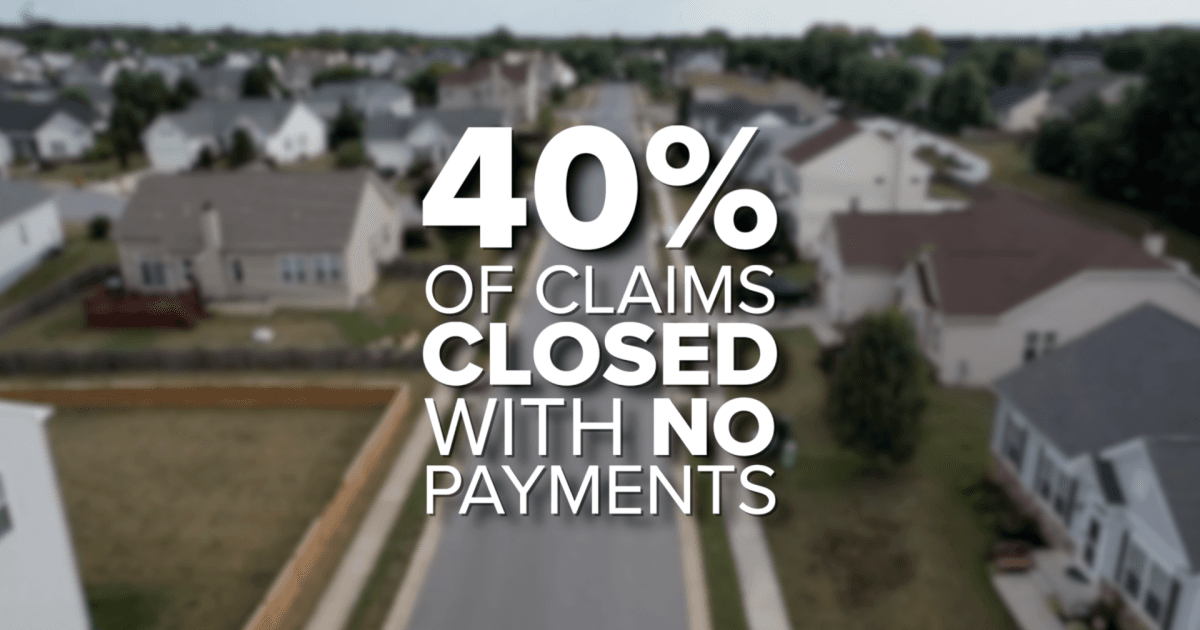
Florida homeowners are paying nearly double the national average for insurance, with premiums now reaching $5,838 a year and denied claims topping 40 percent. Residents report tripled rates, underpaid claims, and mounting financial strain, pushing lawmakers in Tallahassee to propose caps on rate hikes, tax breaks for storm‑proof upgrades, and tighter oversight of insurers. These developments are reshaping real estate and insurance conversations across the state as professionals brace for major industry shifts.

Inside Berkshire County’s Surging 2025 Real Estate Market: Q3 Deep Dive

Berkshire County closed Q3 2025 with strong momentum as sales, dollar volume, and buyer competition all climbed year‑over‑year. Inventory showed slight improvement but remains far below demand, keeping the market tilted toward sellers. Single‑family homes and condos led the surge, while multifamily, land, and commercial sectors showed mixed performance. The region continues to stand out as one of New England’s most resilient real estate markets heading into 2026.

Florida Homeowners Are Reaching a Breaking Point as Insurance Costs Skyrocket

Florida homeowners now face the highest insurance burdens in the nation, with average premiums topping $5,800 per year—roughly $3,000 above the national average. As rates triple for some residents, more Floridians are skipping coverage altogether, while denied claims and slow payouts add to the frustration. With over 40 percent of claims closing with no payment and lawmakers battling over reform in Tallahassee, the crisis is reshaping budgets, homebuying decisions, and the real estate industry statewide.

How Global Investors Are Rewriting the Real Estate Playbook for 2026

Global capital is surging back into real estate—and this time, investors want more control. Colliers’ 2026 Global Investor Outlook reveals a major shift toward direct investments, joint ventures, and hands‑on strategies as money moves across North America, Europe, and the booming Asia‑Pacific markets. Data centers are now the top‑funded asset class, offices are staging a comeback, and adaptive reuse is reshaping cities worldwide. For real estate and finance professionals, the message is clear: opportunity is accelerating, and those with the right education and licensing will be at the center of the action.

Why Lower Interest Rates Still Aren’t Saving Commercial Real Estate

The Fed’s recent rate cuts should have offered relief to commercial real estate—but long-term borrowing costs haven’t budged. While short‑term rates are falling, stubborn long‑term yields, broken deal math, and a trillion‑dollar refinancing wave are keeping the market frozen. For investors and professionals across Florida and the nation, understanding this disconnect is key to navigating the opportunities and risks emerging in today’s shifting CRE landscape.