The global economic landscape is undergoing a seismic shift as countries brace for potential US tariffs. Since the dawn of the Trump Administration in 2017, the US share of global trade has been on the decline, even as its GDP share has risen. This paradox is driven by robust US economic growth and soaring equity valuations, reflecting investor confidence in American innovation.


However, the world is not standing still. Non-US trade is flourishing, with countries actively signing new trade agreements to reduce reliance on the US. The European Union, for instance, has recently finalized deals with South American nations and is in talks with Australia and Indonesia, as reported by FT. Meanwhile, China is pivoting towards Asia-Pacific partnerships and engaging with Latin American countries.


The US Economy Remains Strong

Despite these global shifts, the US economy continues to show resilience. According to recent data from the Bureau of Economic Analysis, the US GDP grew by 2.8% in 2024, driven by a surge in consumer spending, particularly on durable goods.


Yet, there are signs of caution. Business investment fell, and trade made a negative contribution to GDP growth in the fourth quarter. The looming threat of tariffs could further complicate matters, potentially leading to higher consumer prices and impacting export growth.


US Federal Reserve Keeps Policy Unchanged

The Federal Reserve, as expected, has kept interest rates steady. In a recent press conference, Fed Chair Powell highlighted that while the labor market has cooled, inflation remains “elevated.” This cautious stance led to a drop in equity prices and a rise in bond yields, reflecting investor sentiment.


Eurozone Economy Stagnates While ECB Cuts Rates

Across the Atlantic, the Eurozone economy is facing stagnation. Recent reports from Eurostat show no growth in the fourth quarter of 2024. The European Central Bank (ECB) responded by cutting interest rates, aiming to boost activity amid ongoing economic headwinds.


ECB President Lagarde noted that while manufacturing is weak, services remain strong. However, potential US tariffs pose a risk, potentially impacting the Eurozone’s growth trajectory.


As the global economic narrative unfolds, the world watches closely, anticipating the US’s next move on tariffs and its ripple effects on global trade and economic stability.

More Articles

Getting licensed or staying ahead in your career can be a journey—but it doesn’t have to be overwhelming. Grab your favorite coffee or tea, take a moment to relax, and browse through our articles. Whether you’re just starting out or renewing your expertise, we’ve got tips, insights, and advice to keep you moving forward. Here’s to your success—one sip and one step at a time!

Unlocking Real Estate Wealth in 2025: Strategies for Success

Step into 2025, where the real estate market emerges as a resilient beacon amidst economic unpredictability. Investors are increasingly drawn to secondary cities like Austin and Manchester, attracted by their growth potential, affordability, and enhanced quality of life.

By |February 18, 2025|Categories: Article, Investment Strategies, Real Estate|Tags: , |0 Comments

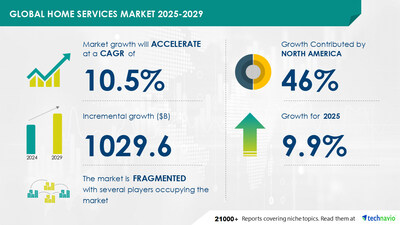
AI and Urbanization Drive Home Services Market Growth

The global home services market is poised for significant growth, with projections indicating an increase of USD 1.03 trillion from 2025 to 2029. This forecasted expansion is attributed to increasing urbanization and the transformative impact of AI on market trends, according to a recent report by Technavio.

Decoding the U.S. Housing Crisis: A Study of Historic Policy Missteps and Demographic Shift

In a revealing study by USC, the roots of the current housing crisis in the United States are traced back to policy missteps and demographic changes that have been unfolding since the early 2000s. The study highlights how these factors have left millennials and people of color disproportionately affected.

Best Real Estate Crowdfunding Platforms for February 2025: Investopedia’s Top Picks

Fundrise stands out for offering investors a chance to diversify their portfolios with real estate exposure through proprietary funds. With a minimum investment as low as $10, it opens doors to beginners and seasoned investors alike.

Top Real Estate Investment Apps of 2025: A Guide for First-Time and Experienced Investors

Business Insider has reviewed a range of platforms available in 2025, focusing on key factors like fees, accessibility for accredited vs. non-accredited investors, and the types of real estate investments offered.