Self‑Storage Sales Surge 62% as Investors Target High‑Barrier Markets
Investor confidence roared back into the U.S. self‑storage sector in the third quarter of 2025, pushing transaction volume to nearly $1.6 billion — a powerful 62% jump compared to the same period last year. With 266 facilities changing hands between July and September, the industry is experiencing its sharpest resurgence since early‑cycle expansion years.
The full analysis, originally reported by Scotsman Guide and supported by StorageCafe, shows a sector where both private buyers and institutional giants moved aggressively — though with interesting differences in strategy.
REITs Pay a Premium as Portfolios Consolidate
Non‑REIT buyers dominated transaction count, yet real estate investment trusts still played a very strategic role — involved in roughly a quarter of all deals. REITs specifically targeted high‑barrier, high‑performance markets and paid an average of $146 per square foot, outpacing the $133 paid by non‑REIT buyers.
Total traded space jumped from 12.8 million sq. ft. in Q3 2024 to 18.4 million sq. ft. this year, underscoring that strong self‑storage inventory remains one of the most resilient commercial real estate categories.
Sun Belt Still Dominates — But Investors Are Spreading Out
The Sun Belt continued to rank as the country’s top‑performing region, capturing 53% of all transactions. But this reflects a drop from nearly 70% the previous quarter — a sign that investors are cautiously exploring fresh markets outside the region.
Florida, California, and Georgia each surpassed $200 million in total transaction value. Meanwhile, Texas saw the highest number of sales but collectively failed to break $50 million due to smaller deal sizes — a fascinating contrast in volume versus value.
New York City Takes the Crown
New York City led all metros, closing $90 million in transactions. Dense, land‑restricted Manhattan drove per‑square‑foot pricing to a national high of $526. A big contributor: Storage Post’s acquisition of three Manhattan assets, including a $60 million purchase on Amsterdam Avenue.
Las Vegas followed with $76.3 million in trades, averaging $200 per square foot, with Etude Capital notably active. Atlanta secured the No. 3 spot with nearly $43 million in volume — boosted by its low storage availability per capita.
Even California’s coastline, often considered too high‑barrier for new self‑storage plays, saw reinvigorated activity such as Etude Capital’s $26 million Temecula acquisition.
What This Means for Real Estate Professionals
For residential and commercial real estate professionals, this quarter reinforces a clear takeaway: specialty asset classes like self‑storage continue to offer stable, opportunity‑rich ground, even when other sectors soften.
Whether you’re exploring commercial specialization or simply expanding your knowledge base, staying credentialed and competitive is essential. This is where institutions like Cameron Academy shine — helping new and seasoned professionals upgrade their licenses, advance their expertise, and unlock new income streams in a market evolving toward 2026.
Getting licensed or staying ahead in your career can be a journey—but it doesn’t have to be overwhelming. Grab your favorite coffee or tea, take a moment to relax, and browse through our articles. Whether you’re just starting out or renewing your expertise, we’ve got tips, insights, and advice to keep you moving forward. Here’s to your success—one sip and one step at a time!
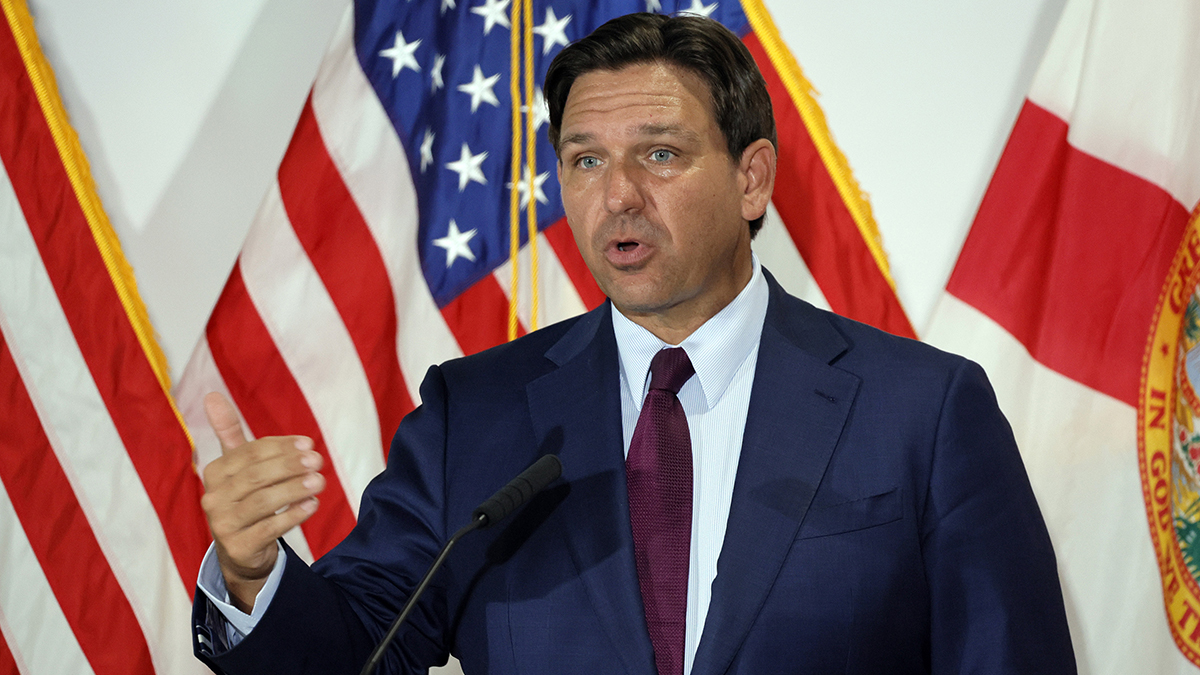
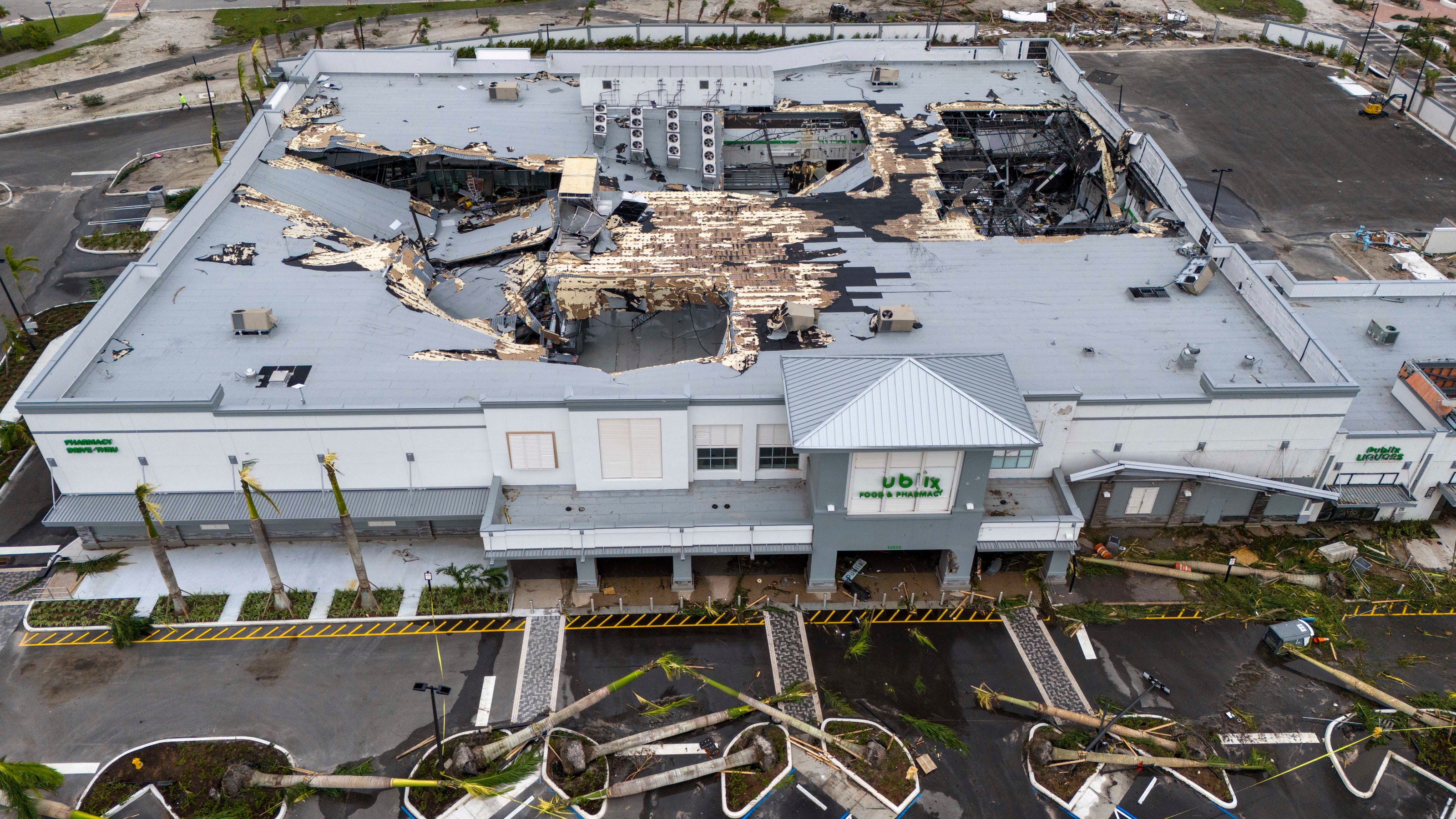
Florida homeowners — especially in hard‑hit South Florida — are set to see rare and substantial reductions in their property insurance premiums. Gov. Ron DeSantis announced an average statewide Citizens Insurance decrease of 8.7%, with even larger savings of up to 14% in counties like Miami-Dade, Broward, and Palm Beach. State officials credit recent legal and regulatory reforms for stabilizing the market, attracting new insurers, and delivering the first meaningful rate relief Floridians have seen in years.
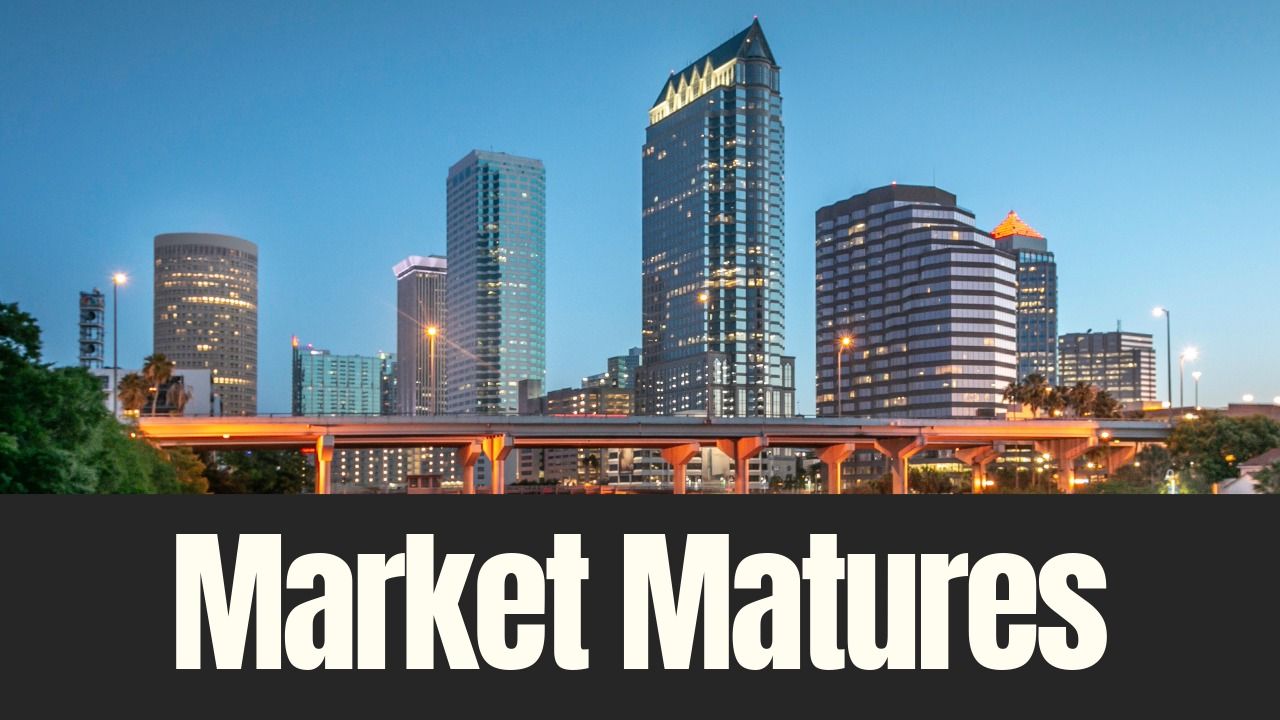
Tampa’s commercial real estate market isn’t slowing—it’s maturing. With strong population growth, rising office demand, a normalized industrial sector, resurgent retail, and an emerging health‑care real estate boom, investors are shifting from speed to strategy. Tighter underwriting, cautious capital and increased due‑diligence are shaping a more disciplined market, creating new opportunities for informed professionals.
Florida homeowners are finally seeing relief as Citizens Property Insurance announces a major 8.7% average rate decrease—far larger than originally proposed. Driven by legislative reforms, fewer lawsuits, and a calm hurricane season, the state’s once‑unstable insurance market is showing real signs of recovery. But with reduced coverage limits and shifting legal protections, experts warn that lower premiums may come with hidden trade‑offs.
After a decade of rising premiums and retreating carriers, Florida homeowners are finally seeing long‑awaited relief. Dozens of insurers have filed for rate decreases—some as high as 11%—thanks to legislative reforms and a stabilizing market. Early approvals are already hitting counties across the state, and experts say the momentum could boost buyer confidence, affordability, and competition throughout Florida’s real estate and insurance sectors.
After years of slowed activity caused by rising interest rates, the self‑storage industry is heating up again. New data from Marcus & Millichap shows a fresh market cycle emerging, driven by renewed buyer confidence, recalibrated pricing, and stronger lender participation. Acquisitions are rebounding, development is resetting in a healthier direction, and financing conditions are improving—creating one of the most promising investment landscapes the sector has seen in years.
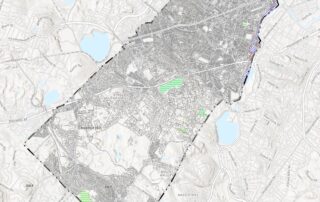
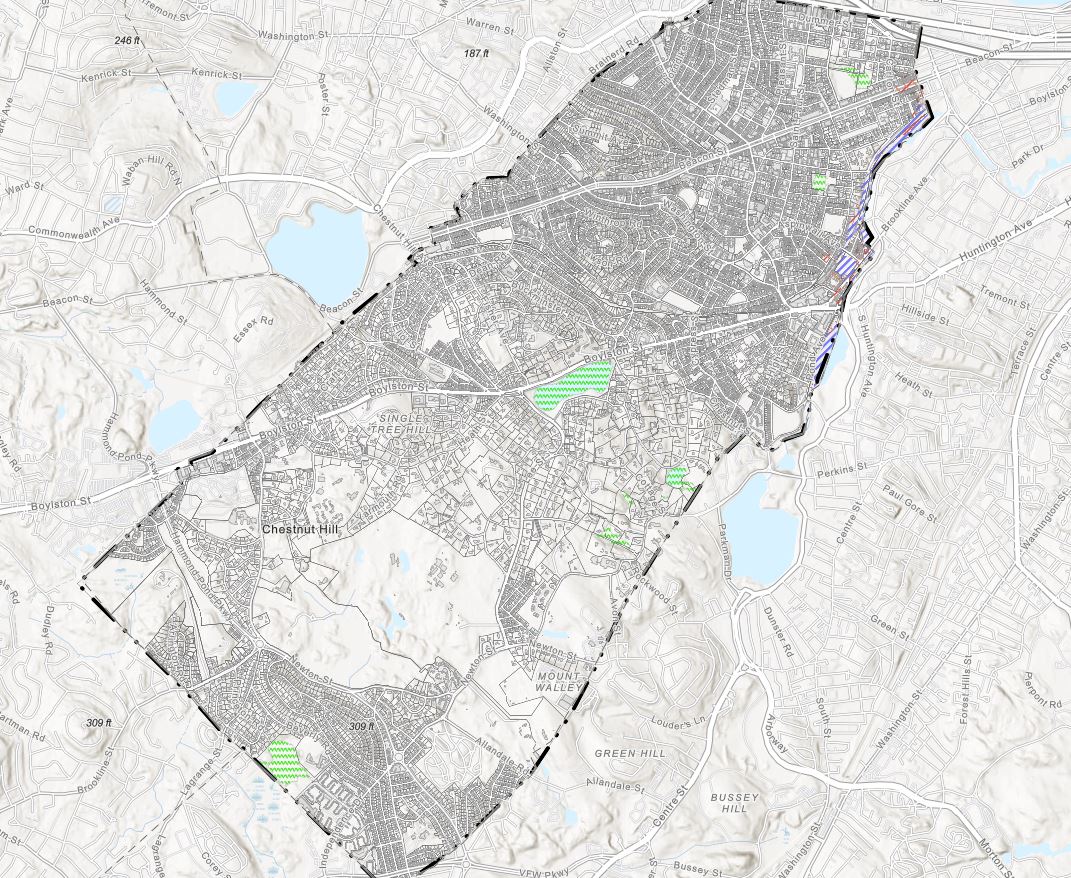
Brookline’s newly updated FEMA flood maps identify 97 high‑risk parcels, but local experts warn the true threat is far greater. While FEMA highlights river‑based flooding around Leverett Pond and the Muddy River, alternative models show more than 1,300 Brookline properties at risk within 30 years. Hidden vulnerabilities along major corridors like Beacon Street, rising rainfall intensity, aging infrastructure, and climate‑driven storm patterns suggest that many “low‑risk” areas may be anything but safe.