Self‑Storage Sales Surge 62% as Investors Target High‑Barrier Markets
Investor confidence roared back into the U.S. self‑storage sector in the third quarter of 2025, pushing transaction volume to nearly $1.6 billion — a powerful 62% jump compared to the same period last year. With 266 facilities changing hands between July and September, the industry is experiencing its sharpest resurgence since early‑cycle expansion years.
The full analysis, originally reported by Scotsman Guide and supported by StorageCafe, shows a sector where both private buyers and institutional giants moved aggressively — though with interesting differences in strategy.
REITs Pay a Premium as Portfolios Consolidate
Non‑REIT buyers dominated transaction count, yet real estate investment trusts still played a very strategic role — involved in roughly a quarter of all deals. REITs specifically targeted high‑barrier, high‑performance markets and paid an average of $146 per square foot, outpacing the $133 paid by non‑REIT buyers.
Total traded space jumped from 12.8 million sq. ft. in Q3 2024 to 18.4 million sq. ft. this year, underscoring that strong self‑storage inventory remains one of the most resilient commercial real estate categories.
Sun Belt Still Dominates — But Investors Are Spreading Out
The Sun Belt continued to rank as the country’s top‑performing region, capturing 53% of all transactions. But this reflects a drop from nearly 70% the previous quarter — a sign that investors are cautiously exploring fresh markets outside the region.
Florida, California, and Georgia each surpassed $200 million in total transaction value. Meanwhile, Texas saw the highest number of sales but collectively failed to break $50 million due to smaller deal sizes — a fascinating contrast in volume versus value.
New York City Takes the Crown
New York City led all metros, closing $90 million in transactions. Dense, land‑restricted Manhattan drove per‑square‑foot pricing to a national high of $526. A big contributor: Storage Post’s acquisition of three Manhattan assets, including a $60 million purchase on Amsterdam Avenue.
Las Vegas followed with $76.3 million in trades, averaging $200 per square foot, with Etude Capital notably active. Atlanta secured the No. 3 spot with nearly $43 million in volume — boosted by its low storage availability per capita.
Even California’s coastline, often considered too high‑barrier for new self‑storage plays, saw reinvigorated activity such as Etude Capital’s $26 million Temecula acquisition.
What This Means for Real Estate Professionals
For residential and commercial real estate professionals, this quarter reinforces a clear takeaway: specialty asset classes like self‑storage continue to offer stable, opportunity‑rich ground, even when other sectors soften.
Whether you’re exploring commercial specialization or simply expanding your knowledge base, staying credentialed and competitive is essential. This is where institutions like Cameron Academy shine — helping new and seasoned professionals upgrade their licenses, advance their expertise, and unlock new income streams in a market evolving toward 2026.
Getting licensed or staying ahead in your career can be a journey—but it doesn’t have to be overwhelming. Grab your favorite coffee or tea, take a moment to relax, and browse through our articles. Whether you’re just starting out or renewing your expertise, we’ve got tips, insights, and advice to keep you moving forward. Here’s to your success—one sip and one step at a time!
A federal judge has denied class‑certification in the high‑stakes Batton commission lawsuit, delivering a temporary win for NAR and major brokerages while leaving the door open for plaintiffs to try again. With as much as $3.6 billion in potential damages on the line and nearly 80% of the proposed class now disqualified due to conflicts with earlier settlements, the case stands at a pivotal moment. Real estate professionals nationwide — especially in Florida — should watch closely, as the ruling could shape the future of buyer‑agent compensation.
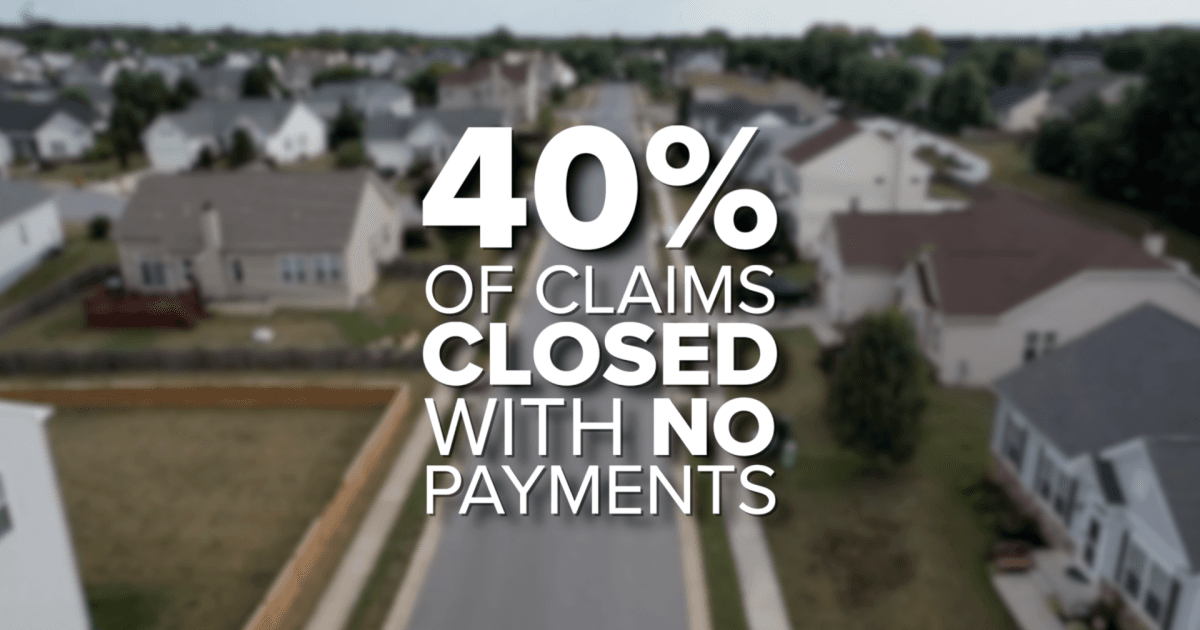
Florida homeowners are paying nearly double the national average for insurance, with premiums now reaching $5,838 a year and denied claims topping 40 percent. Residents report tripled rates, underpaid claims, and mounting financial strain, pushing lawmakers in Tallahassee to propose caps on rate hikes, tax breaks for storm‑proof upgrades, and tighter oversight of insurers. These developments are reshaping real estate and insurance conversations across the state as professionals brace for major industry shifts.
Berkshire County closed Q3 2025 with strong momentum as sales, dollar volume, and buyer competition all climbed year‑over‑year. Inventory showed slight improvement but remains far below demand, keeping the market tilted toward sellers. Single‑family homes and condos led the surge, while multifamily, land, and commercial sectors showed mixed performance. The region continues to stand out as one of New England’s most resilient real estate markets heading into 2026.
Florida homeowners now face the highest insurance burdens in the nation, with average premiums topping $5,800 per year—roughly $3,000 above the national average. As rates triple for some residents, more Floridians are skipping coverage altogether, while denied claims and slow payouts add to the frustration. With over 40 percent of claims closing with no payment and lawmakers battling over reform in Tallahassee, the crisis is reshaping budgets, homebuying decisions, and the real estate industry statewide.
Global capital is surging back into real estate—and this time, investors want more control. Colliers’ 2026 Global Investor Outlook reveals a major shift toward direct investments, joint ventures, and hands‑on strategies as money moves across North America, Europe, and the booming Asia‑Pacific markets. Data centers are now the top‑funded asset class, offices are staging a comeback, and adaptive reuse is reshaping cities worldwide. For real estate and finance professionals, the message is clear: opportunity is accelerating, and those with the right education and licensing will be at the center of the action.
The Fed’s recent rate cuts should have offered relief to commercial real estate—but long-term borrowing costs haven’t budged. While short‑term rates are falling, stubborn long‑term yields, broken deal math, and a trillion‑dollar refinancing wave are keeping the market frozen. For investors and professionals across Florida and the nation, understanding this disconnect is key to navigating the opportunities and risks emerging in today’s shifting CRE landscape.