Semaglutide: A Promising Ally Against Alzheimer’s?
In a groundbreaking study, researchers at Case Western Reserve School of Medicine have identified a potential new benefit of semaglutide, a widely used diabetes and weight-loss drug. According to their findings, semaglutide may significantly reduce the risk of Alzheimer’s disease in individuals with type 2 diabetes (T2D), outperforming seven other anti-diabetic medications.
Alzheimer’s disease, a devastating brain disorder that erodes memory and cognitive abilities, affects nearly 7 million Americans aged 65 and older, as reported by the Alzheimer’s Association. Alarmingly, it claims more lives annually than breast and prostate cancer combined.
Published in Alzheimer’s & Dementia: The Journal of the Alzheimer’s Association, the study suggests that T2D patients taking semaglutide had a markedly lower risk of developing Alzheimer’s disease. This trend was consistent across various subgroups, regardless of obesity status, gender, or age.
Semaglutide, a glucagon-like peptide receptor (GLP-1R) agonist, is the active ingredient in popular medications like Wegovy and Ozempic. It works by reducing hunger and regulating blood sugar levels in T2D patients.
Under the leadership of Rong Xu, a professor of biomedical informatics, the research team analyzed three years of electronic health records from nearly one million U.S. patients with T2D. Their statistical approach, which mimicked a randomized clinical trial, revealed that patients prescribed semaglutide had a significantly lower risk of Alzheimer’s compared to those on other anti-diabetic medications.
According to the CDC, Alzheimer’s disease results in approximately 120,000 deaths annually, ranking as the seventh-leading cause of death in the United States.
“This new study provides real-world evidence for semaglutide’s potential impact on Alzheimer’s disease,” Xu stated. “While preclinical research has hinted at its protective effects against neurodegeneration and neuroinflammation, our findings suggest the need for further exploration through randomized clinical trials.”
Despite these promising results, the study’s limitations prevent researchers from drawing definitive causal conclusions. Xu emphasized the importance of continued research into semaglutide’s potential as a treatment for this debilitating condition, encouraging further investigation into alternative drugs.
For more information, please contact Patty Zamora at [email protected].
More Articles
Getting licensed or staying ahead in your career can be a journey—but it doesn’t have to be overwhelming. Grab your favorite coffee or tea, take a moment to relax, and browse through our articles. Whether you’re just starting out or renewing your expertise, we’ve got tips, insights, and advice to keep you moving forward. Here’s to your success—one sip and one step at a time!
The real estate industry is on the brink of a transformation, driven by the integration of the Internet of Things (IoT). This technological advancement is reshaping how buildings operate and enhancing tenant experiences across the globe.
"This framework postulates New Orleans as already living in the future," said Patterson during the exhibition's opening. Lash added, "We want to show New Orleans as a gift and as a scout." The exhibition, featuring 51 artists across 21 venues, highlights how contemporary art can serve as an engine of coping, rather than mere recovery.
As the dust settles on the recent Republican victory in the U.S. presidential election, the tax landscape is poised for significant changes with President-elect Donald Trump set to return to the White House.
As we step into 2025, the multifamily housing sector is projected to experience modest growth. Yardi Matrix anticipates a 1.5% increase in rents, driven by positive economic conditions and stable industry fundamentals, particularly in the Northeast and Midwest regions. However, the rent growth forecasts vary across different markets.
Recent surveys have shed light on the preferences and priorities of renters in 2024, emphasizing the dominance of digital marketing and the importance of community inclusiveness.
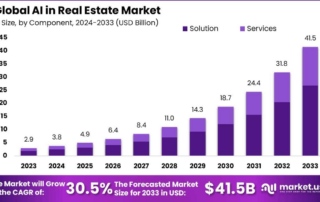
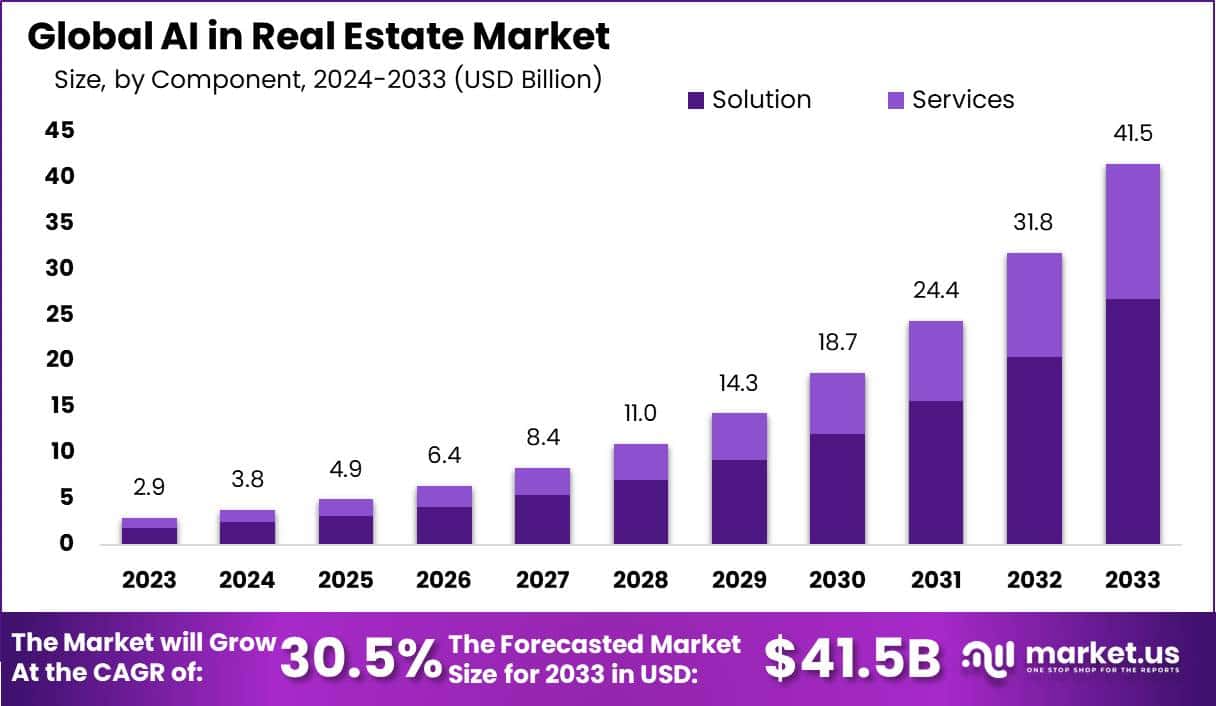
The real estate industry is on the brink of a technological transformation, with Artificial Intelligence (AI) playing a pivotal role. According to a recent report by Market.us, the AI in real estate market is projected to surge from USD 2.9 Billion in 2023 to a staggering USD 41.5 Billion by 2033, growing at an impressive CAGR of 30.5%.