Semaglutide: A Promising Ally Against Alzheimer’s?
In a groundbreaking study, researchers at Case Western Reserve School of Medicine have identified a potential new benefit of semaglutide, a widely used diabetes and weight-loss drug. According to their findings, semaglutide may significantly reduce the risk of Alzheimer’s disease in individuals with type 2 diabetes (T2D), outperforming seven other anti-diabetic medications.
Alzheimer’s disease, a devastating brain disorder that erodes memory and cognitive abilities, affects nearly 7 million Americans aged 65 and older, as reported by the Alzheimer’s Association. Alarmingly, it claims more lives annually than breast and prostate cancer combined.
Published in Alzheimer’s & Dementia: The Journal of the Alzheimer’s Association, the study suggests that T2D patients taking semaglutide had a markedly lower risk of developing Alzheimer’s disease. This trend was consistent across various subgroups, regardless of obesity status, gender, or age.
Semaglutide, a glucagon-like peptide receptor (GLP-1R) agonist, is the active ingredient in popular medications like Wegovy and Ozempic. It works by reducing hunger and regulating blood sugar levels in T2D patients.
Under the leadership of Rong Xu, a professor of biomedical informatics, the research team analyzed three years of electronic health records from nearly one million U.S. patients with T2D. Their statistical approach, which mimicked a randomized clinical trial, revealed that patients prescribed semaglutide had a significantly lower risk of Alzheimer’s compared to those on other anti-diabetic medications.
According to the CDC, Alzheimer’s disease results in approximately 120,000 deaths annually, ranking as the seventh-leading cause of death in the United States.
“This new study provides real-world evidence for semaglutide’s potential impact on Alzheimer’s disease,” Xu stated. “While preclinical research has hinted at its protective effects against neurodegeneration and neuroinflammation, our findings suggest the need for further exploration through randomized clinical trials.”
Despite these promising results, the study’s limitations prevent researchers from drawing definitive causal conclusions. Xu emphasized the importance of continued research into semaglutide’s potential as a treatment for this debilitating condition, encouraging further investigation into alternative drugs.
For more information, please contact Patty Zamora at [email protected].
More Articles
Getting licensed or staying ahead in your career can be a journey—but it doesn’t have to be overwhelming. Grab your favorite coffee or tea, take a moment to relax, and browse through our articles. Whether you’re just starting out or renewing your expertise, we’ve got tips, insights, and advice to keep you moving forward. Here’s to your success—one sip and one step at a time!
In the fast-evolving world of insurance, a transformative shift is underway, driven by the development of customer-centric ecosystems. As highlighted in a comprehensive study by EY, insurance ecosystems are reshaping the industry by focusing on customer engagement, trust, and operational excellence.
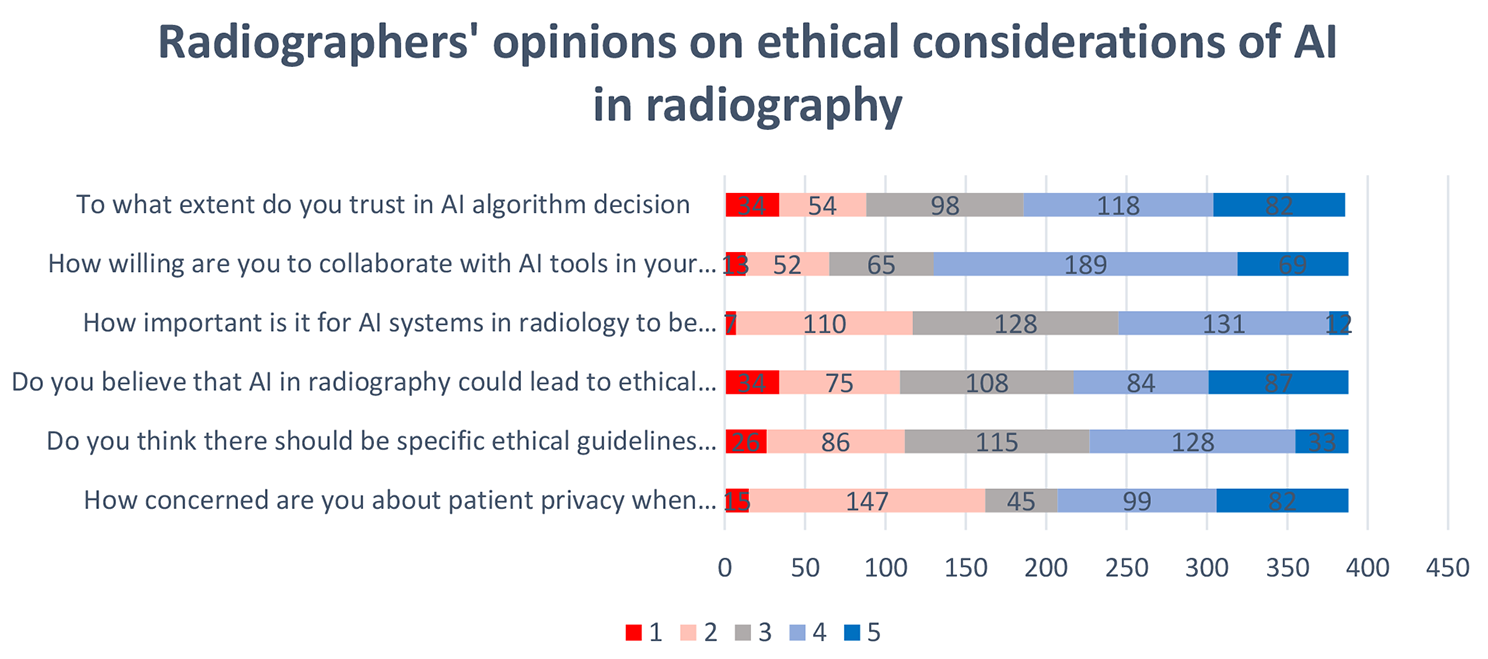
The integration of artificial intelligence in radiography brings a host of ethical challenges that demand careful consideration. A recent study highlights the diverse perspectives of radiographers, revealing significant knowledge gaps and varying trust levels in AI-driven decisions. Concerns over patient privacy and the need for dedicated ethical guidelines are pivotal as healthcare embraces AI.
AI tools are already delivering significant value and are poised to further transform healthcare. Embracing these changes today will position organizations and individuals to capture the long-term benefits of a more effective, efficient, and personalized healthcare system.
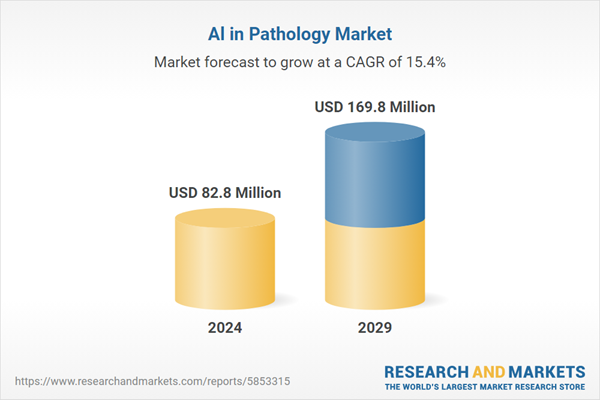
AI in pathology is revolutionizing the field by enhancing the analysis of clinical data, genomic information, and disease progression. These advancements are not only streamlining personalized treatment plans but also optimizing healthcare resource allocation.
In an era where data reigns supreme, the integration of artificial intelligence (AI) and machine learning (ML) into the realm of precision medicine is not just a possibility but a burgeoning reality.