Should You Form an LLC for Your Rental Property in 2025?
If you have spent any time in the real estate world, you have probably heard one piece of advice repeated often: smart landlords protect their assets. That is why more rental property owners are choosing to create a limited liability company, or LLC. It offers tax advantages, liability protection, and a more professional approach to handling rental operations.
To help you decide whether forming an LLC is the right move for your investment goals, we pulled insights from Avail. You can explore their full resource at
https://www.avail.co/education/articles/should-you-create-an-llc-for-your-rental-property.
Below is a streamlined, real-world look at what landlords and real estate professionals should know for 2025.
What an LLC Actually Does for Landlords
An LLC separates your personal assets from your rental business. If a legal dispute arises, your home, savings, and personal property stay protected. Many landlords use an LLC to formalize operations, manage expenses more cleanly, and elevate their professionalism.
Why Landlords Choose LLCs
Creating an LLC can help you:
Separate business and personal finances
Qualify for more tax deductions
Protect personal assets in a lawsuit
Improve management and operations
How Rental Income Is Taxed in an LLC
LLCs operate as pass-through entities. Instead of the company paying taxes, rental income passes through to your personal return. In most cases, it is not subject to self-employment taxes. Owners can also deduct expenses such as mortgage interest, property taxes, maintenance, and depreciation.
Popular Tax Strategies for LLC Owners
A 1031 exchange to defer capital gains taxes
Qualified business income deductions up to 20 percent
Expanded write-offs for repairs, upgrades, and operations
Always check with a tax professional for personalized guidance, as regulations can vary by state.
Top Benefits of Using an LLC for Your Rental Property
Limits liability and protects personal assets
Keeps each rental property separate if you own multiple buildings
Supports pass-through taxation and reduces paperwork
Makes bookkeeping and expense tracking cleaner
Improves estate planning and ownership transitions
Allows faster depreciation through cost segregation studies
Best Practices for Managing Your Rental Property LLC
Expand Best Practices
Maintain clear financial records
Review and update your operating agreement annually
Carry landlord-specific insurance policies
Stay compliant with local codes and rental regulations
Work with a CPA who specializes in real estate
Use management software to streamline workflow
Who Should Consider Creating an LLC?
Any landlord seeking stronger protection and simplified tax handling can benefit from an LLC. It is especially useful for co-owners and investors planning to grow their portfolio.
When to Form an LLC
It is ideal to form your LLC before buying a property. Creating the LLC after purchase may require notifying your lender, filing additional documents, and possibly refinancing. Forming early helps you avoid unnecessary fees and administrative steps.
How to Set Up Your Rental Property LLC
Contact your lender if you have an existing mortgage
Choose a unique, compliant business name
File Articles of Organization with your state
Apply for an EIN through the IRS
Open a business banking account
Draft an operating agreement
Publish a notice of intent if your state requires it
Obtain local rental licenses and permits
Title Transfers and Financing Considerations
If you already own a rental property, you will need a quitclaim deed to transfer ownership into the LLC. This can impact your financing if the mortgage is in your personal name. Always check with your lender before transferring ownership.
Costs to Expect When Forming an LLC
State filing fees: 50 to 630 dollars depending on location
Notice of intent: around 40 dollars
Operating agreement: 0 to 1000 dollars
Transfer taxes vary by state
BOI Reporting Requirements for LLC Owners
Beginning in 2024, most LLCs must report beneficial owner information under FinCEN. This includes any individual who owns or controls 25 percent or more of the company. Missing deadlines may result in fines.
Umbrella Policies vs LLC Protection
Umbrella insurance can expand coverage beyond a standard policy, but it does not replace the legal protection offered by an LLC. The strongest protection comes from combining both tools.
What This Means for Real Estate Students and Professionals
Understanding LLC structures gives real estate professionals a competitive edge. Investors rely on agents and property managers for accurate guidance. At Cameron Academy, we make sure students learn the real business side of real estate, not only how to pass the exam. Mastering LLC fundamentals helps you better serve clients and expand your own investing confidence.
If you are ready to expand your real estate knowledge, earn your license, or advance your professional credentials, Cameron Academy offers flexible, career-focused programs for real estate, mortgage, insurance, and more across all 50 states.
More Articles
Getting licensed or staying ahead in your career can be a journey—but it doesn’t have to be overwhelming. Grab your favorite coffee or tea, take a moment to relax, and browse through our articles. Whether you’re just starting out or renewing your expertise, we’ve got tips, insights, and advice to keep you moving forward. Here’s to your success—one sip and one step at a time!
Redfin forecasts a slow but meaningful return to normalcy in the U.S. housing market starting in 2026. Instead of a crash or a rapid correction, the year marks the beginning of a “Great Housing Reset” where affordability gradually improves, mortgage rates ease into the low‑6% range, home sales tick upward, and renters, buyers, and professionals finally feel less market pressure. From wage growth outpacing home prices to rising refi activity and the rise of AI‑powered real estate tools, 2026 is shaping up to be a foundational year for real estate careers and long‑term market stability.
Hurricane Melissa’s destruction in Jamaica highlights a growing global reality: climate risks are accelerating faster than insurance adoption. With more than 90% of disaster losses in developing regions going uninsured and a worldwide protection gap exceeding $1.8 trillion annually, experts warn that traditional insurance systems can no longer keep up. New models—like parametric payouts, community‑based aggregation and bundled climate tools—are emerging, but governments and corporations must step in to prevent financial shocks from destabilizing entire economies.
Gravis Robotics, a Zurich-based startup, just raised $23 million to bring autonomous tech to construction sites facing a massive operator shortage. As demand surges for renewable energy projects, data centers, and new housing, Gravis retrofits traditional heavy machinery with AI-driven systems that can work autonomously or via remote guidance. With trials already underway across seven countries, the company is pushing a future where humans and robots collaborate — speeding up development timelines and reshaping industries from construction to real estate.
Zillow has quietly removed its climate‑risk scores after months of pressure from agents, homeowners, and listing services who said the warnings were scaring off buyers. The move has sparked a national debate: Is this a win for real estate sales or a setback for consumer transparency? Critics warn that without clear climate‑risk data, families could be “flying blind” into costly surprises like insurance spikes and flood damage. As climate impacts intensify and disclosure expectations rise, real estate professionals must stay informed—because whether Zillow shows the data or not, the risks aren’t going anywhere.
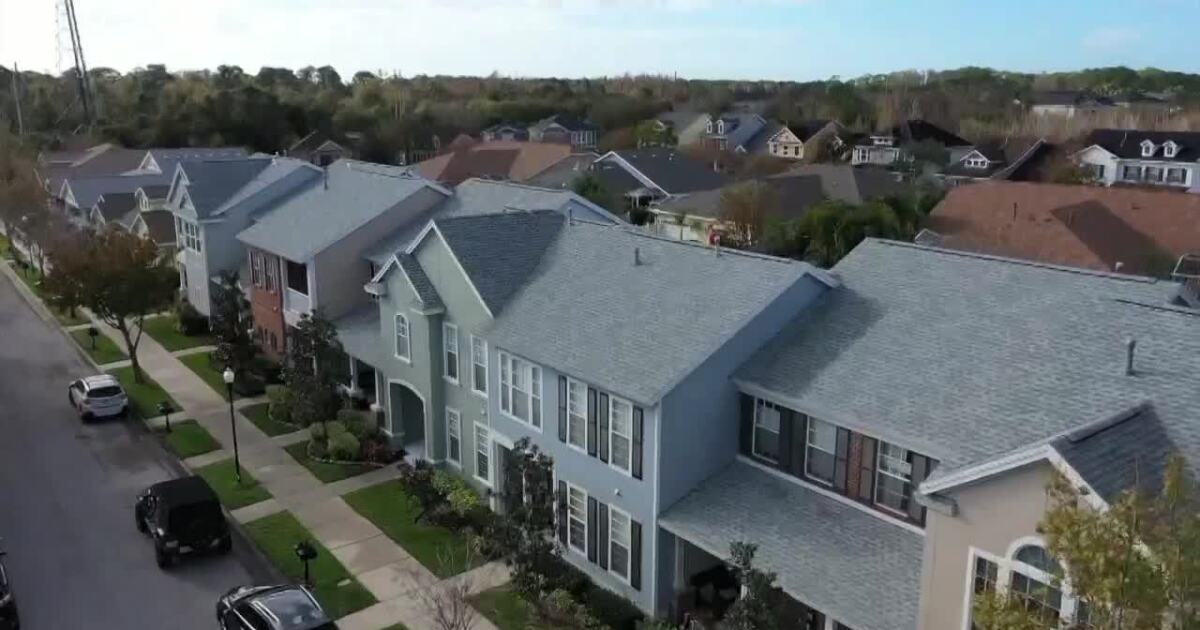
Florida’s property insurance crisis is becoming the defining issue heading into the 2026 election season. Republicans argue that recent reforms are finally stabilizing the market, pointing to reduced litigation and cooling reinsurance costs. Democrats counter that families are still facing unbearable premiums, with condo prices dropping over 8% and Floridians paying some of the highest insurance rates in the nation. As lawmakers prepare to return to Tallahassee, the future of insurance reform is set to become the central political fight—one that will directly impact homeowners, investors, and real estate professionals across the state.
Connectivity has become one of the most powerful differentiators in today’s real estate market. As smart buildings, automation, and sustainability demands accelerate, fiber networks are replacing outdated copper systems and reshaping property value. With lower energy use, unified smart‑building capabilities, reduced long‑term costs, and stronger tenant satisfaction, digital infrastructure is now central to investment strategy. Real estate professionals who understand this shift gain a competitive edge as the industry moves toward cleaner, smarter, more connected buildings.