Should You Form an LLC for Your Rental Property in 2025?
If you have spent any time in the real estate world, you have probably heard one piece of advice repeated often: smart landlords protect their assets. That is why more rental property owners are choosing to create a limited liability company, or LLC. It offers tax advantages, liability protection, and a more professional approach to handling rental operations.
To help you decide whether forming an LLC is the right move for your investment goals, we pulled insights from Avail. You can explore their full resource at
https://www.avail.co/education/articles/should-you-create-an-llc-for-your-rental-property.
Below is a streamlined, real-world look at what landlords and real estate professionals should know for 2025.
What an LLC Actually Does for Landlords
An LLC separates your personal assets from your rental business. If a legal dispute arises, your home, savings, and personal property stay protected. Many landlords use an LLC to formalize operations, manage expenses more cleanly, and elevate their professionalism.
Why Landlords Choose LLCs
Creating an LLC can help you:
Separate business and personal finances
Qualify for more tax deductions
Protect personal assets in a lawsuit
Improve management and operations
How Rental Income Is Taxed in an LLC
LLCs operate as pass-through entities. Instead of the company paying taxes, rental income passes through to your personal return. In most cases, it is not subject to self-employment taxes. Owners can also deduct expenses such as mortgage interest, property taxes, maintenance, and depreciation.
Popular Tax Strategies for LLC Owners
A 1031 exchange to defer capital gains taxes
Qualified business income deductions up to 20 percent
Expanded write-offs for repairs, upgrades, and operations
Always check with a tax professional for personalized guidance, as regulations can vary by state.
Top Benefits of Using an LLC for Your Rental Property
Limits liability and protects personal assets
Keeps each rental property separate if you own multiple buildings
Supports pass-through taxation and reduces paperwork
Makes bookkeeping and expense tracking cleaner
Improves estate planning and ownership transitions
Allows faster depreciation through cost segregation studies
Best Practices for Managing Your Rental Property LLC
Expand Best Practices
Maintain clear financial records
Review and update your operating agreement annually
Carry landlord-specific insurance policies
Stay compliant with local codes and rental regulations
Work with a CPA who specializes in real estate
Use management software to streamline workflow
Who Should Consider Creating an LLC?
Any landlord seeking stronger protection and simplified tax handling can benefit from an LLC. It is especially useful for co-owners and investors planning to grow their portfolio.
When to Form an LLC
It is ideal to form your LLC before buying a property. Creating the LLC after purchase may require notifying your lender, filing additional documents, and possibly refinancing. Forming early helps you avoid unnecessary fees and administrative steps.
How to Set Up Your Rental Property LLC
Contact your lender if you have an existing mortgage
Choose a unique, compliant business name
File Articles of Organization with your state
Apply for an EIN through the IRS
Open a business banking account
Draft an operating agreement
Publish a notice of intent if your state requires it
Obtain local rental licenses and permits
Title Transfers and Financing Considerations
If you already own a rental property, you will need a quitclaim deed to transfer ownership into the LLC. This can impact your financing if the mortgage is in your personal name. Always check with your lender before transferring ownership.
Costs to Expect When Forming an LLC
State filing fees: 50 to 630 dollars depending on location
Notice of intent: around 40 dollars
Operating agreement: 0 to 1000 dollars
Transfer taxes vary by state
BOI Reporting Requirements for LLC Owners
Beginning in 2024, most LLCs must report beneficial owner information under FinCEN. This includes any individual who owns or controls 25 percent or more of the company. Missing deadlines may result in fines.
Umbrella Policies vs LLC Protection
Umbrella insurance can expand coverage beyond a standard policy, but it does not replace the legal protection offered by an LLC. The strongest protection comes from combining both tools.
What This Means for Real Estate Students and Professionals
Understanding LLC structures gives real estate professionals a competitive edge. Investors rely on agents and property managers for accurate guidance. At Cameron Academy, we make sure students learn the real business side of real estate, not only how to pass the exam. Mastering LLC fundamentals helps you better serve clients and expand your own investing confidence.
If you are ready to expand your real estate knowledge, earn your license, or advance your professional credentials, Cameron Academy offers flexible, career-focused programs for real estate, mortgage, insurance, and more across all 50 states.
More Articles
Getting licensed or staying ahead in your career can be a journey—but it doesn’t have to be overwhelming. Grab your favorite coffee or tea, take a moment to relax, and browse through our articles. Whether you’re just starting out or renewing your expertise, we’ve got tips, insights, and advice to keep you moving forward. Here’s to your success—one sip and one step at a time!
A federal judge has denied class‑certification in the high‑stakes Batton commission lawsuit, delivering a temporary win for NAR and major brokerages while leaving the door open for plaintiffs to try again. With as much as $3.6 billion in potential damages on the line and nearly 80% of the proposed class now disqualified due to conflicts with earlier settlements, the case stands at a pivotal moment. Real estate professionals nationwide — especially in Florida — should watch closely, as the ruling could shape the future of buyer‑agent compensation.
Florida homeowners are paying nearly double the national average for insurance, with premiums now reaching $5,838 a year and denied claims topping 40 percent. Residents report tripled rates, underpaid claims, and mounting financial strain, pushing lawmakers in Tallahassee to propose caps on rate hikes, tax breaks for storm‑proof upgrades, and tighter oversight of insurers. These developments are reshaping real estate and insurance conversations across the state as professionals brace for major industry shifts.
Berkshire County closed Q3 2025 with strong momentum as sales, dollar volume, and buyer competition all climbed year‑over‑year. Inventory showed slight improvement but remains far below demand, keeping the market tilted toward sellers. Single‑family homes and condos led the surge, while multifamily, land, and commercial sectors showed mixed performance. The region continues to stand out as one of New England’s most resilient real estate markets heading into 2026.
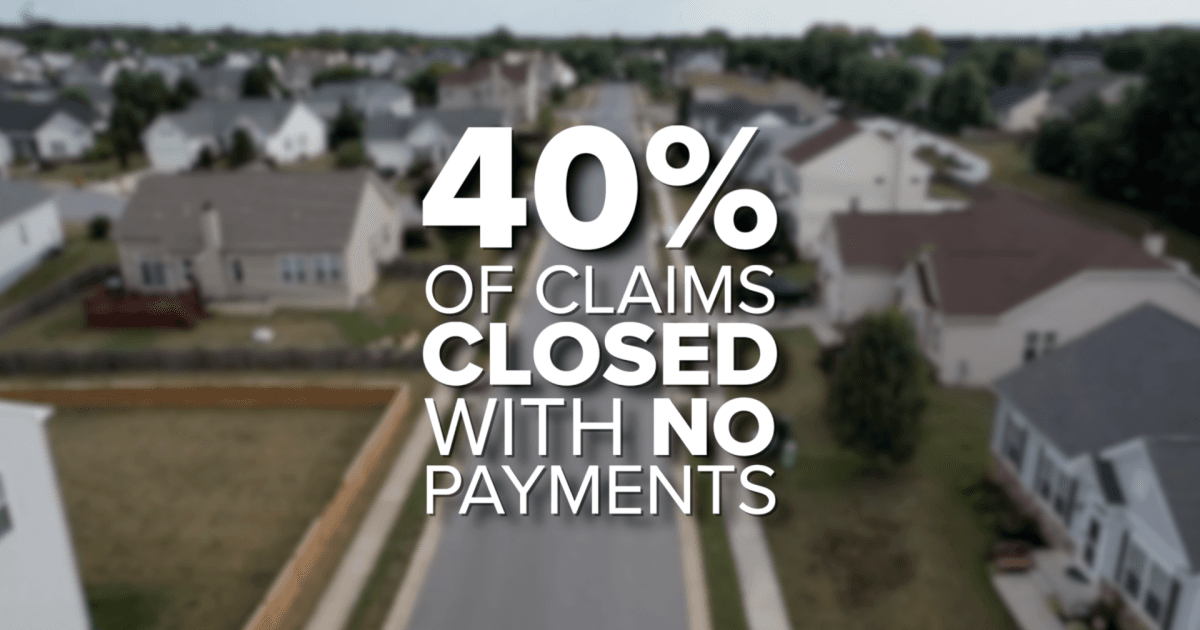
Florida homeowners now face the highest insurance burdens in the nation, with average premiums topping $5,800 per year—roughly $3,000 above the national average. As rates triple for some residents, more Floridians are skipping coverage altogether, while denied claims and slow payouts add to the frustration. With over 40 percent of claims closing with no payment and lawmakers battling over reform in Tallahassee, the crisis is reshaping budgets, homebuying decisions, and the real estate industry statewide.
Global capital is surging back into real estate—and this time, investors want more control. Colliers’ 2026 Global Investor Outlook reveals a major shift toward direct investments, joint ventures, and hands‑on strategies as money moves across North America, Europe, and the booming Asia‑Pacific markets. Data centers are now the top‑funded asset class, offices are staging a comeback, and adaptive reuse is reshaping cities worldwide. For real estate and finance professionals, the message is clear: opportunity is accelerating, and those with the right education and licensing will be at the center of the action.
The Fed’s recent rate cuts should have offered relief to commercial real estate—but long-term borrowing costs haven’t budged. While short‑term rates are falling, stubborn long‑term yields, broken deal math, and a trillion‑dollar refinancing wave are keeping the market frozen. For investors and professionals across Florida and the nation, understanding this disconnect is key to navigating the opportunities and risks emerging in today’s shifting CRE landscape.