In a sweeping move to modernize real estate practices, Illinois is set to implement significant changes to its real estate laws following the National Association of REALTORS® (NAR) rule adjustments. These changes, effective from August 17, aim to enhance transparency and accountability in the real estate sector.

Illinois REALTORS® is proactively informing the public about the new requirements. An open letter will be published in various newspapers on August 18, outlining key practice changes. Among these, homebuyers working with Realtors will now be required to sign a written agreement. This agreement will detail the broker’s responsibilities, the compensation rate, and the payment method. For more details, the Illinois REALTORS® have provided a comprehensive guide here.

Additionally, real estate agents will no longer include shared compensation details on the MLS. Instead, brokers must communicate this information privately or on their own websites, maintaining the negotiable nature of compensation.

In a press release, Illinois REALTORS® President Matt Silver and CEO Jeff Baker emphasized the negotiability of compensation, stating, “In some cases, agents are paid directly by their buyer or seller client. However, in other cases, an agent may be paid indirectly, with the broker for the seller ‘sharing’ a portion of their compensation with the buyer’s broker.”

Beyond these immediate changes, Illinois is introducing Senate Bill 3740, a collaborative effort with the Illinois Department of Financial and Professional Regulation (IDFPR) and legislators. This bill updates the Real Estate License Act of 2000 and includes several key provisions:

  • All real estate licensees must use written brokerage agreements for all types of real estate brokerage business, including residential sales transactions, as required by the NAR settlement.
  • Brokers seeking to upgrade their licenses will only need to take Illinois-specific exams to obtain their managing broker licenses.
  • Mandatory Core Continuing Education (CE) Hours will increase from four to six, including two hours of mandatory Fair Housing-related courses.
  • New language supports independent contractor relationships for licensees conducting brokerage business.

Senate Bill 3740 received bipartisan support throughout the entire legislative process. It is a tribute to Illinois REALTORS® and IDFPR that a bill made it all the way through the process without a dissenting vote,” noted Senior Director of State Government Affairs Jimmy Clayton.

In addition to these changes, Governor JB Pritzker recently signed an amendment to the Condominium Property Act into law. House Bill 5502 prohibits condominium associations from exercising any right of refusal, option to purchase, or right to disapprove the sale of a condominium unit based on the purchaser’s financing being guaranteed by the Federal Housing Administration or for discriminatory or otherwise unlawful purposes.

This amendment aims to protect condo buyers, providing them with a right of action in a state circuit court against offending condominium associations.


More Articles

Getting licensed or staying ahead in your career can be a journey—but it doesn’t have to be overwhelming. Grab your favorite coffee or tea, take a moment to relax, and browse through our articles. Whether you’re just starting out or renewing your expertise, we’ve got tips, insights, and advice to keep you moving forward. Here’s to your success—one sip and one step at a time!

2025 Commercial Real Estate Outlook: Navigating a New Era

The commercial real estate landscape is on the brink of transformation as leaders seek to navigate the challenges of recent years and position their organizations for future opportunities.

The Emerging Mental Health Crisis Among Healthcare Workers During the COVID-19 Pandemic

The pandemic has ushered in a wave of mental health challenges that affect healthcare workers profoundly. From the onset of COVID-19, these professionals have been at the forefront, facing immense pressure, long hours, and the constant fear of exposure.

By |December 18, 2024|Categories: Article, Healthcare Workers, Mental Health|Tags: , |0 Comments

Ethical Concerns of Large Language Models in Healthcare

Exploring the dual nature of LLMs offers substantial benefits in healthcare but also raises significant ethical concerns, underscoring the need for well-defined guidelines and human oversight.

The Role of Wearable Devices in Chronic Disease Monitoring and Patient Care: A Comprehensive Review

Wearable devices have become integral in managing chronic conditions by providing continuous health data, empowering patients and healthcare professionals with insights that were previously unattainable.

AI Training Mandates: Navigating Legal Waters in Dentistry

The integration of artificial intelligence (AI) into dental practices is more than a technological trend; it represents a seismic shift in the industry. This transformation is reshaping skill sets and prompting a thorough examination of legal and ethical implications.

By |December 17, 2024|Categories: Article, Legal, Technology|Tags: , |0 Comments

Smart Home Energy Management Devices: A Market Poised for Growth

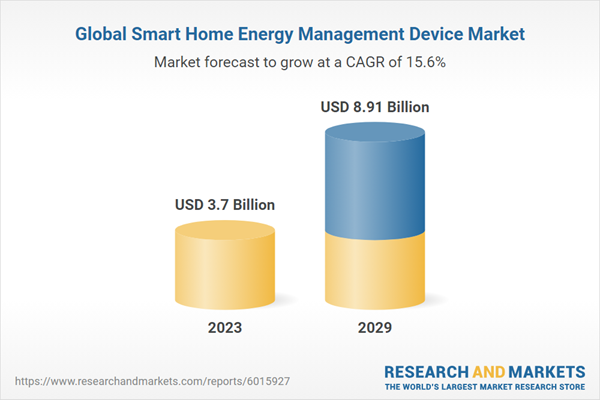
The Global Smart Home Energy Management Device Market is on the brink of a significant transformation, driven by escalating demands for energy-efficient solutions and the increasing adoption of smart home technologies.