In a sweeping move to modernize real estate practices, Illinois is set to implement significant changes to its real estate laws following the National Association of REALTORS® (NAR) rule adjustments. These changes, effective from August 17, aim to enhance transparency and accountability in the real estate sector.

Illinois REALTORS® is proactively informing the public about the new requirements. An open letter will be published in various newspapers on August 18, outlining key practice changes. Among these, homebuyers working with Realtors will now be required to sign a written agreement. This agreement will detail the broker’s responsibilities, the compensation rate, and the payment method. For more details, the Illinois REALTORS® have provided a comprehensive guide here.

Additionally, real estate agents will no longer include shared compensation details on the MLS. Instead, brokers must communicate this information privately or on their own websites, maintaining the negotiable nature of compensation.

In a press release, Illinois REALTORS® President Matt Silver and CEO Jeff Baker emphasized the negotiability of compensation, stating, “In some cases, agents are paid directly by their buyer or seller client. However, in other cases, an agent may be paid indirectly, with the broker for the seller ‘sharing’ a portion of their compensation with the buyer’s broker.”

Beyond these immediate changes, Illinois is introducing Senate Bill 3740, a collaborative effort with the Illinois Department of Financial and Professional Regulation (IDFPR) and legislators. This bill updates the Real Estate License Act of 2000 and includes several key provisions:

  • All real estate licensees must use written brokerage agreements for all types of real estate brokerage business, including residential sales transactions, as required by the NAR settlement.
  • Brokers seeking to upgrade their licenses will only need to take Illinois-specific exams to obtain their managing broker licenses.
  • Mandatory Core Continuing Education (CE) Hours will increase from four to six, including two hours of mandatory Fair Housing-related courses.
  • New language supports independent contractor relationships for licensees conducting brokerage business.

Senate Bill 3740 received bipartisan support throughout the entire legislative process. It is a tribute to Illinois REALTORS® and IDFPR that a bill made it all the way through the process without a dissenting vote,” noted Senior Director of State Government Affairs Jimmy Clayton.

In addition to these changes, Governor JB Pritzker recently signed an amendment to the Condominium Property Act into law. House Bill 5502 prohibits condominium associations from exercising any right of refusal, option to purchase, or right to disapprove the sale of a condominium unit based on the purchaser’s financing being guaranteed by the Federal Housing Administration or for discriminatory or otherwise unlawful purposes.

This amendment aims to protect condo buyers, providing them with a right of action in a state circuit court against offending condominium associations.




More Articles

Getting licensed or staying ahead in your career can be a journey—but it doesn’t have to be overwhelming. Grab your favorite coffee or tea, take a moment to relax, and browse through our articles. Whether you’re just starting out or renewing your expertise, we’ve got tips, insights, and advice to keep you moving forward. Here’s to your success—one sip and one step at a time!

Florida Homeowners Finally Get Relief as Gov. DeSantis Announces Significant Insurance Premium Cuts

Florida homeowners — especially in hard‑hit South Florida — are set to see rare and substantial reductions in their property insurance premiums. Gov. Ron DeSantis announced an average statewide Citizens Insurance decrease of 8.7%, with even larger savings of up to 14% in counties like Miami-Dade, Broward, and Palm Beach. State officials credit recent legal and regulatory reforms for stabilizing the market, attracting new insurers, and delivering the first meaningful rate relief Floridians have seen in years.

Tampa’s Real Estate Market Enters a Smarter, More Selective Growth Phase

Tampa’s commercial real estate market isn’t slowing—it’s maturing. With strong population growth, rising office demand, a normalized industrial sector, resurgent retail, and an emerging health‑care real estate boom, investors are shifting from speed to strategy. Tighter underwriting, cautious capital and increased due‑diligence are shaping a more disciplined market, creating new opportunities for informed professionals.

Florida Slashes Home Insurance Rates: Biggest Drop in a Decade Sends Shockwaves Through the Market

Florida homeowners are finally seeing relief as Citizens Property Insurance announces a major 8.7% average rate decrease—far larger than originally proposed. Driven by legislative reforms, fewer lawsuits, and a calm hurricane season, the state’s once‑unstable insurance market is showing real signs of recovery. But with reduced coverage limits and shifting legal protections, experts warn that lower premiums may come with hidden trade‑offs.

Florida Homeowners Finally Get Insurance Relief After Years of Soaring Premiums

After a decade of rising premiums and retreating carriers, Florida homeowners are finally seeing long‑awaited relief. Dozens of insurers have filed for rate decreases—some as high as 11%—thanks to legislative reforms and a stabilizing market. Early approvals are already hitting counties across the state, and experts say the momentum could boost buyer confidence, affordability, and competition throughout Florida’s real estate and insurance sectors.

Self‑Storage Investing in 2026: A Market Thaw Opens the Door to Big Opportunities

After years of slowed activity caused by rising interest rates, the self‑storage industry is heating up again. New data from Marcus & Millichap shows a fresh market cycle emerging, driven by renewed buyer confidence, recalibrated pricing, and stronger lender participation. Acquisitions are rebounding, development is resetting in a healthier direction, and financing conditions are improving—creating one of the most promising investment landscapes the sector has seen in years.

Brookline’s Real Flood Risk: What FEMA’s New Maps Reveal—and What They Miss

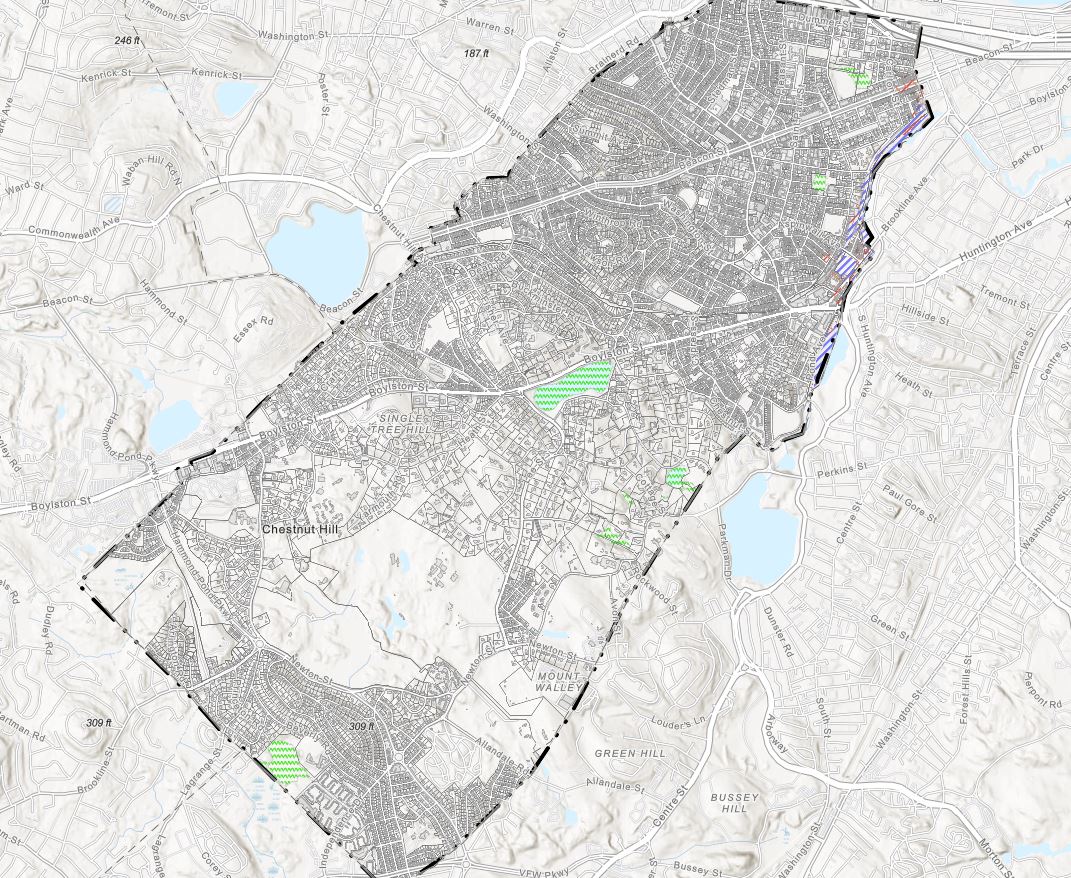
Brookline’s newly updated FEMA flood maps identify 97 high‑risk parcels, but local experts warn the true threat is far greater. While FEMA highlights river‑based flooding around Leverett Pond and the Muddy River, alternative models show more than 1,300 Brookline properties at risk within 30 years. Hidden vulnerabilities along major corridors like Beacon Street, rising rainfall intensity, aging infrastructure, and climate‑driven storm patterns suggest that many “low‑risk” areas may be anything but safe.