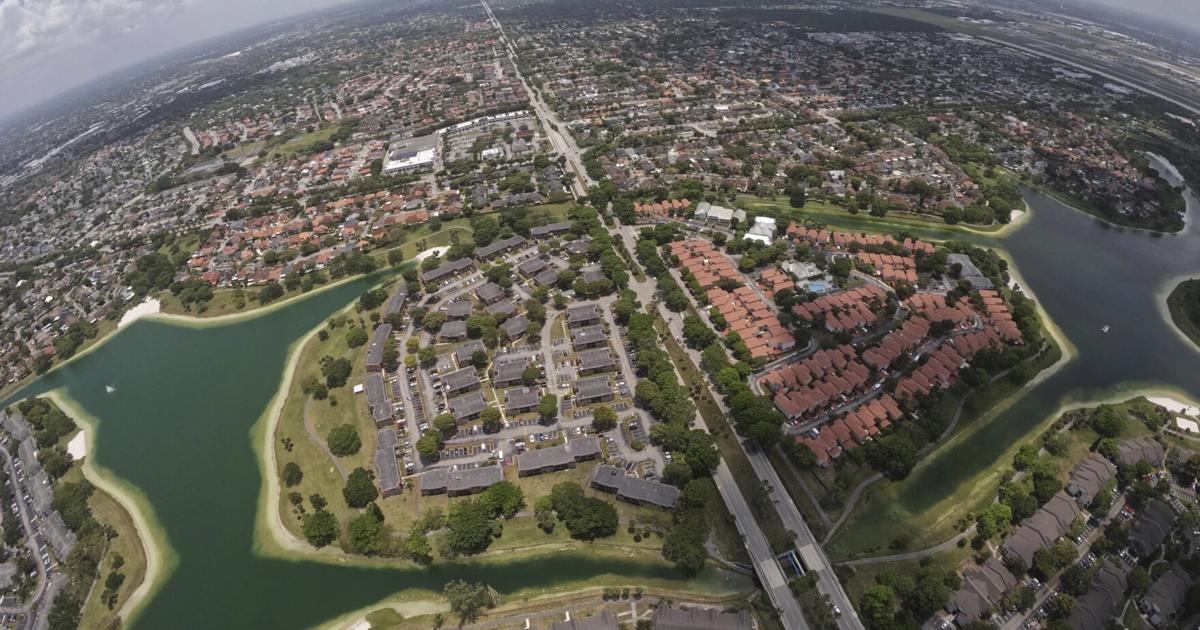
Sioux Falls Powers Into 2026 With Remarkable Strength and Resilience
Sioux Falls has officially stepped into 2026 with a commercial real estate market that’s not just healthy—it’s roaring. Even before news broke this week about the largest private investment in the city’s history, Bender Commercial Real Estate Services had already charted a promising trajectory for the year. Their annual Bender Market Outlook reveals a city proving its strength, outperforming neighboring metros, and holding steady through national uncertainty.
Reggie Kuipers, Bender partner and president, summed it up perfectly: “With strong fundamentals across all sectors and a thriving local economy, our region is well positioned for another year of strategic growth and opportunity.” In his words: buckle up—2026 is primed to be fun.
A City Surpassing Expectations
Sioux Falls’ construction activity surpassed nearly every regional metro in total building value and topped Des Moines when measured per capita. With federal policy becoming clearer, interest rates expected to drop, and inflation projected to remain under 3%, the market is poised for what Bender calls “potential white-hot economic activity.”
And while the new $1.3 billion Smithfield Foods pork processing plant won’t shake the market overnight, its long-term impact is nothing short of transformative. Growth is coming—and the city is ready.
Land Market: Momentum in Motion
Unimproved land sales hit their second-highest mark ever—1,120 acres—thanks in part to major acquisitions tied to the future South Dakota State Penitentiary and interest from data center developers. Harrisburg led the metro in 2025, closing 388 acres after years of infrastructure investment paid off.
And about those data centers? They’ve gone from “emerging factor” to front‑page headline. The Gemini site in east Sioux Falls has momentum, but state tax legislation remains the linchpin. Should incentives align, expect more announcements across eastern South Dakota soon.
Retail Market: The Goldilocks Zone
Retail continues its steady, confident stride. Vacancy slipped from 9% to 8%, and over the last five years, Sioux Falls added nearly 1 million square feet while simultaneously driving vacancy down from 13.3%. That’s what strong absorption looks like.
Whether in Tea, Brandon, or Harrisburg, regional pockets are heating up. New developments are launching with committed tenants, rents are rising, and backfill demand keeps vacancies competitive with national averages.
Office Market: From Confusion to Confidence
Hybrid work trends still echo through the Sioux Falls office market, but clarity is returning. Vacancy is holding around 12%, but dig deeper and you’ll find an important distinction: small office spaces below 10,000 square feet have an astonishingly low 2.7% vacancy rate.
Downtown remains tight at just 4.1% vacancy. One of the most eye-catching moves of 2025 was the sale of the U.S. Bank building, soon transforming into an AC by Marriott with a bank branch. Meanwhile, suburban office corridors offer more opportunity—with vacancy rates near 15%.
Industrial Market: A Temporary Reset
Industrial vacancy rose to 4.8%, the highest in two decades—but still well below national averages. Absorption dropped 20%, yet construction held strong at 1.1 million square feet, while sales volume surged to a record $168 million.
With new projects from Amazon, CJ Schwan’s, and Silencer Central, the sector is positioned for stabilizing vacancy, steady lease rates, and renewed transaction momentum in 2026.
Multifamily Market: Returning to Balance
Higher interest rates slowed construction dramatically—just 1,168 new units permitted in 2025. This cooldown is helping vacancy recover, easing concessions, and restoring healthy rent growth. With affordability challenges pushing more households toward renting, long-term demand remains strong.
More than $150 million in multifamily sales closed last year, and improving occupancy plus better financing conditions could make 2026 a record-setting year.
Capital Markets: Outpacing the Nation
Investment activity surged across the board—multifamily up 63%, retail up 76%, industrial up 44%, and office up 24%. Compared to the national sales volume rise of 22%, it’s clear: Sioux Falls isn’t just participating in the recovery—it’s leading it.
With federal tax structures and 1031 rules expected to remain stable for the next three years, investors have rare clarity. Combined with a significant demographic wealth transfer, 2026–2028 may see exceptionally strong transaction volume.
Why This Matters for Real Estate Professionals
A market this dynamic offers exceptional opportunity—whether you’re an agent, broker, investor, developer, or someone looking to enter the industry. Strong fundamentals and rapid regional expansion signal one thing: Sioux Falls is on the rise.
For those looking to break into real estate or upgrade their credentials, this is a perfect moment to invest in education. Cameron Academy proudly supports professionals nationwide—including those eager to engage in high-growth markets like Sioux Falls—with flexible licensing and continuing education pathways designed for modern careers.
Explore the Full Market Outlook
For full charts, historic trends, and previous market reports, explore the complete feature from SiouxFalls.Business—the outstanding local publication behind this analysis:
Read the source article here.