On June 24, 2024, a significant development unfolded in the real estate industry as six federal agencies finalized a rule to implement safeguards for Automated Valuation Models (AVMs). This rule, established by the Department of the Treasury, Federal Reserve System, Federal Deposit Insurance Corporation, National Credit Union Administration, Consumer Protection Financial Bureau, and Federal Housing Finance Agency, aims to address the burgeoning use of AI-driven AVMs in property valuations.
AVMs have become indispensable tools in real estate, offering efficiency and speed in estimating property values for mortgage and lending services. However, the increasing reliance on these AI-powered models has raised concerns about data accuracy, security, and potential discriminatory impacts. The newly finalized rule mandates the integration of five quality control measures to mitigate these concerns.
The Rule’s Key Provisions
The rule requires companies utilizing AVMs to ensure:
A high level of confidence in valuation estimates.
Protection against data manipulation.
Avoidance of conflicts of interest.
Random sample testing and reviews.
Compliance with applicable nondiscrimination laws.
This regulatory framework is designed to ensure that AVMs provide accurate and equitable property valuations, aligning with the principles of the Fair Housing Act, which prohibits discrimination in housing-related activities.
Historical Context and Impact
The adoption of AVMs has accelerated due to advancements in AI and the shortage of human appraisers exacerbated by the COVID-19 pandemic. A report by the Brookings Institution highlights the critical role these models play for organizations like Fannie Mae and Freddie Mac. Despite their benefits, AVMs have faced scrutiny for potentially perpetuating biases present in human-performed appraisals.
The finalized rule follows a proposed rule issued on June 1, 2023, in response to the Dodd-Frank Act. This proposal laid the groundwork for quality control standards, echoing the Biden administration’s executive orders on minimizing bias in AI processes.
Looking Ahead
When the rule takes effect a year after its publication in the Federal Register, it will represent a pivotal step in enhancing the integrity of real estate valuations. Companies are granted the flexibility to develop specific policies that align with their size and risk profile, ensuring a dynamic regulatory environment that evolves with technological advancements.
More Articles
Getting licensed or staying ahead in your career can be a journey—but it doesn’t have to be overwhelming. Grab your favorite coffee or tea, take a moment to relax, and browse through our articles. Whether you’re just starting out or renewing your expertise, we’ve got tips, insights, and advice to keep you moving forward. Here’s to your success—one sip and one step at a time!
Cybercrime in 2025 has evolved into a full‑scale service economy, with malware now available through subscription platforms that operate like mainstream tech businesses. Bitsight’s latest analysis reveals explosive growth in Malware‑as‑a‑Service tools, rising attacks across industries like healthcare, finance, tech, and real estate, and a surge in cross‑platform malware and supply‑chain exploits. For professionals in any licensed field, the message is clear: today’s digital landscape demands heightened vigilance, stronger identity security, and proactive defense against an increasingly organized underground threat environment.
A new proptech startup in the UAE, Gllit is redefining how property deals happen by removing agents, eliminating commissions, and integrating AI tools that let users create professional listings in seconds. With a fast, transparent, and direct-to-owner model, Gllit offers a glimpse into the future of global real estate — and a powerful case study for U.S. professionals preparing for tech-driven changes in the industry.
The 2026 housing market is shaping up to be a year of stability with a few surprises. Mortgage rates are expected to hold steady, home price growth is slowing, and yet ownership costs continue to rise due to soaring taxes and insurance. Meanwhile, renting is becoming more attractive as affordability improves and built‑to‑rent communities expand. This breakdown highlights the biggest trends ahead — and what they mean for buyers, sellers, and real estate professionals, especially in Florida.
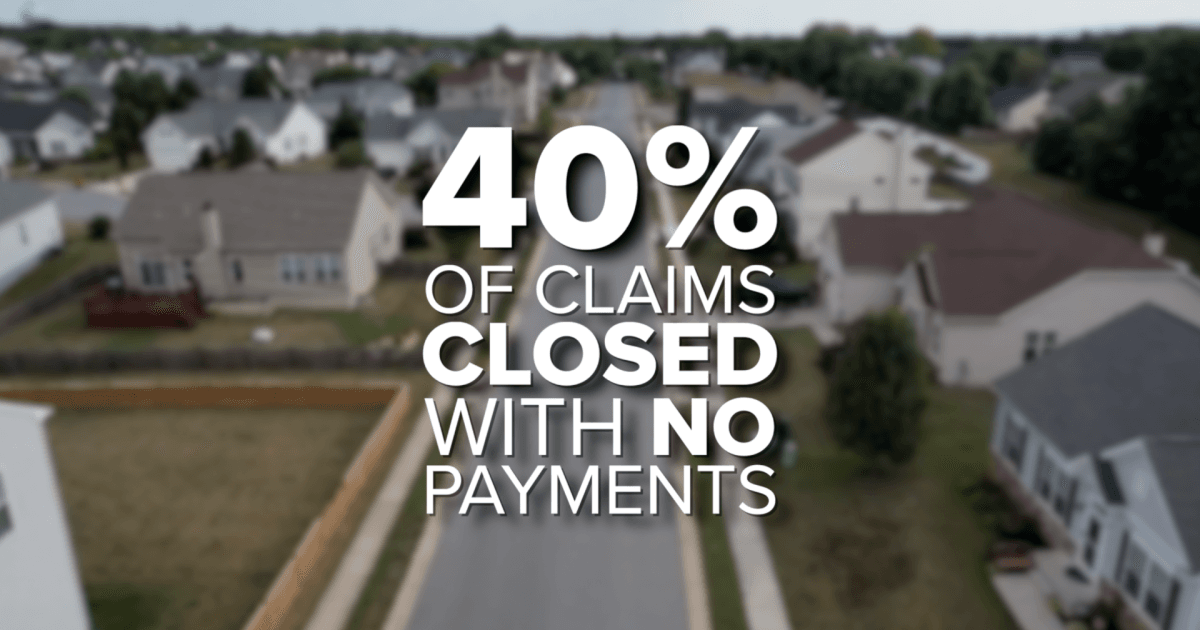
Florida homeowners are facing some of the highest insurance premiums in the nation, with average costs now topping $5,800 per year—about $3,000 above the U.S. average. Many residents report their rates have doubled or even tripled, while more than 40 percent of claims are closed with no payment. As frustration grows, state lawmakers and consumer advocates are pushing for transparency, rate caps, and incentives to help storm‑proof homes. The outcome of these reform efforts could reshape Florida’s real estate market, insurance landscape, and affordability for years to come.
A new global study from Risk.net and SAS reveals that many insurance companies are still making key decisions in isolated silos, despite industry-wide pushes toward data-driven strategies. While most leaders claim to have a clear vision, 38 percent admit they lack a real-time view of risks, revenue and costs. With poor data quality, limited collaboration and outdated processes holding teams back, experts say the industry is poised for a major transformation through AI, analytics and unified strategy—offering lessons for professionals across insurance, real estate, finance and other regulated fields.
Atlanta’s housing market is shifting into a more balanced and predictable phase. Prices have leveled off, inventory has finally caught up, and mortgage rates are easing enough to bring buyers back into the game. With steady demand, growing listings, and only mild price corrections forecasted into 2026, Atlanta remains one of the Southeast’s strongest real estate markets for buyers, sellers, and investors alike.