Six for 2026: The Commercial Real Estate Shifts Already Reshaping the U.S.
If 2024 was the “reset,” then 2026 is shaping up to be the year commercial real estate fully reinvents itself. Fueled by the forward‑looking insights from Cushman & Wakefield’s Six for 2026 outlook, professionals nationwide are preparing for a future driven by tech acceleration, shifting tenant expectations, and bold redevelopment strategies.
For morning‑coffee readers and career‑driven pros, this is your energizing breakdown of the major forces shaping tomorrow’s commercial landscape — and what they mean for investors, brokers, developers, and future licensees.
1. AI‑Driven Productivity and Real Estate Demand
Artificial intelligence is no longer a bonus — it’s a baseline. From automation‑enhanced logistics to smarter, data‑driven site selection, AI is reshaping business operations and space requirements. Expect streamlined underwriting, accelerated valuations, and next‑gen office environments optimized for digital collaboration.
2. Office Space Reinvented — Again
The office sector isn’t shrinking; it’s transforming. Companies are doubling down on high‑quality layouts, amenity‑rich campuses, and flexible configurations built for hybrid dynamics. Meanwhile, aging properties are headed toward repurposing — or retirement.
3. Retail’s Experience Economy Momentum
Retail rooted in experience, interaction, and authenticity is thriving. Brands that seamlessly merge digital and physical touchpoints continue to outperform. Mixed‑use destinations anchored by entertainment, dining, fitness, and lifestyle offerings are becoming the new community hubs.
4. Industrial Expansion and Last‑Mile Innovation
Industrial demand stays red‑hot as e‑commerce evolves and supply chains optimize. Expect more last‑mile logistics hubs, advanced cold storage, and AI‑enabled distribution centers situated strategically near growing population clusters.
5. Housing Affordability Pressure and Creative Solutions
As affordability tightens nationwide, developers are embracing innovative housing solutions — adaptive reuse, micro‑units, modular construction, and public‑private partnerships. Investors are increasingly targeting markets with strong migration patterns and attainable housing demand.
6. Sustainability and Resilience as Core Value Drivers
Environmental strategy has shifted from optional to essential. From green certifications to resilient infrastructure, sustainability now plays a direct role in valuation, tenant interest, and long‑term investment confidence.
These six themes point to a market that isn’t slowing — it’s adapting strategically. And for professionals who want to stay ahead, understanding where these forces intersect will be the competitive edge.
If you’re entering the real estate field or expanding your credentials, Cameron Academy proudly supports professionals across Florida and all 50 states with flexible, modern, career‑advancing education designed for a rapidly evolving industry.
More Articles
Getting licensed or staying ahead in your career can be a journey—but it doesn’t have to be overwhelming. Grab your favorite coffee or tea, take a moment to relax, and browse through our articles. Whether you’re just starting out or renewing your expertise, we’ve got tips, insights, and advice to keep you moving forward. Here’s to your success—one sip and one step at a time!
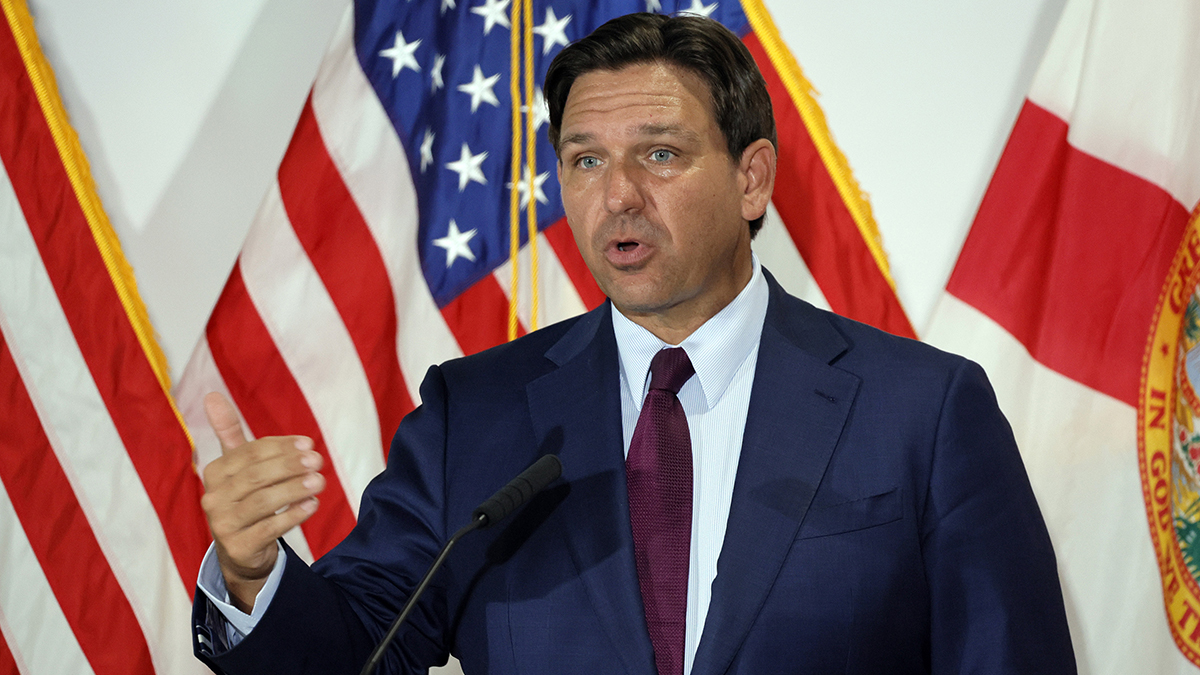
Florida homeowners — especially in hard‑hit South Florida — are set to see rare and substantial reductions in their property insurance premiums. Gov. Ron DeSantis announced an average statewide Citizens Insurance decrease of 8.7%, with even larger savings of up to 14% in counties like Miami-Dade, Broward, and Palm Beach. State officials credit recent legal and regulatory reforms for stabilizing the market, attracting new insurers, and delivering the first meaningful rate relief Floridians have seen in years.
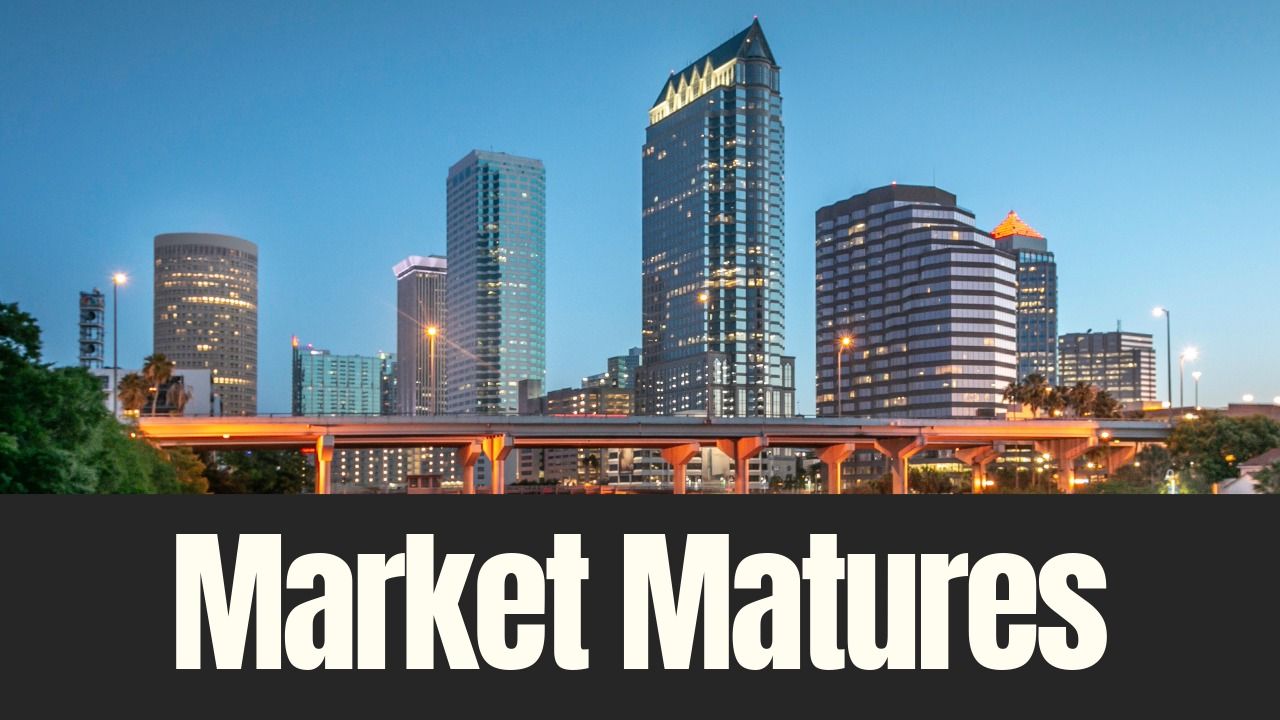
Tampa’s commercial real estate market isn’t slowing—it’s maturing. With strong population growth, rising office demand, a normalized industrial sector, resurgent retail, and an emerging health‑care real estate boom, investors are shifting from speed to strategy. Tighter underwriting, cautious capital and increased due‑diligence are shaping a more disciplined market, creating new opportunities for informed professionals.
Florida homeowners are finally seeing relief as Citizens Property Insurance announces a major 8.7% average rate decrease—far larger than originally proposed. Driven by legislative reforms, fewer lawsuits, and a calm hurricane season, the state’s once‑unstable insurance market is showing real signs of recovery. But with reduced coverage limits and shifting legal protections, experts warn that lower premiums may come with hidden trade‑offs.
After a decade of rising premiums and retreating carriers, Florida homeowners are finally seeing long‑awaited relief. Dozens of insurers have filed for rate decreases—some as high as 11%—thanks to legislative reforms and a stabilizing market. Early approvals are already hitting counties across the state, and experts say the momentum could boost buyer confidence, affordability, and competition throughout Florida’s real estate and insurance sectors.
After years of slowed activity caused by rising interest rates, the self‑storage industry is heating up again. New data from Marcus & Millichap shows a fresh market cycle emerging, driven by renewed buyer confidence, recalibrated pricing, and stronger lender participation. Acquisitions are rebounding, development is resetting in a healthier direction, and financing conditions are improving—creating one of the most promising investment landscapes the sector has seen in years.
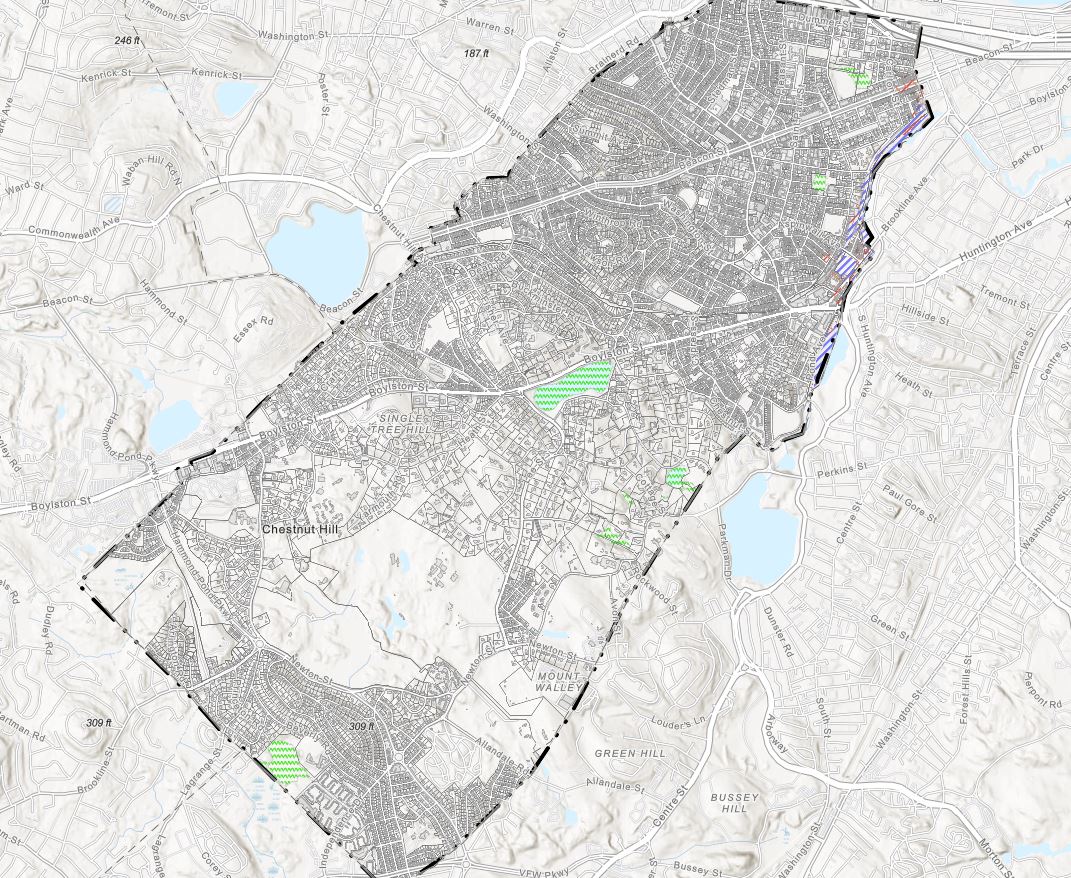
Brookline’s newly updated FEMA flood maps identify 97 high‑risk parcels, but local experts warn the true threat is far greater. While FEMA highlights river‑based flooding around Leverett Pond and the Muddy River, alternative models show more than 1,300 Brookline properties at risk within 30 years. Hidden vulnerabilities along major corridors like Beacon Street, rising rainfall intensity, aging infrastructure, and climate‑driven storm patterns suggest that many “low‑risk” areas may be anything but safe.