Six for 2026: The Commercial Real Estate Shifts Already Reshaping the U.S.
If 2024 was the “reset,” then 2026 is shaping up to be the year commercial real estate fully reinvents itself. Fueled by the forward‑looking insights from Cushman & Wakefield’s Six for 2026 outlook, professionals nationwide are preparing for a future driven by tech acceleration, shifting tenant expectations, and bold redevelopment strategies.
For morning‑coffee readers and career‑driven pros, this is your energizing breakdown of the major forces shaping tomorrow’s commercial landscape — and what they mean for investors, brokers, developers, and future licensees.
1. AI‑Driven Productivity and Real Estate Demand
Artificial intelligence is no longer a bonus — it’s a baseline. From automation‑enhanced logistics to smarter, data‑driven site selection, AI is reshaping business operations and space requirements. Expect streamlined underwriting, accelerated valuations, and next‑gen office environments optimized for digital collaboration.
2. Office Space Reinvented — Again
The office sector isn’t shrinking; it’s transforming. Companies are doubling down on high‑quality layouts, amenity‑rich campuses, and flexible configurations built for hybrid dynamics. Meanwhile, aging properties are headed toward repurposing — or retirement.
3. Retail’s Experience Economy Momentum
Retail rooted in experience, interaction, and authenticity is thriving. Brands that seamlessly merge digital and physical touchpoints continue to outperform. Mixed‑use destinations anchored by entertainment, dining, fitness, and lifestyle offerings are becoming the new community hubs.
4. Industrial Expansion and Last‑Mile Innovation
Industrial demand stays red‑hot as e‑commerce evolves and supply chains optimize. Expect more last‑mile logistics hubs, advanced cold storage, and AI‑enabled distribution centers situated strategically near growing population clusters.
5. Housing Affordability Pressure and Creative Solutions
As affordability tightens nationwide, developers are embracing innovative housing solutions — adaptive reuse, micro‑units, modular construction, and public‑private partnerships. Investors are increasingly targeting markets with strong migration patterns and attainable housing demand.
6. Sustainability and Resilience as Core Value Drivers
Environmental strategy has shifted from optional to essential. From green certifications to resilient infrastructure, sustainability now plays a direct role in valuation, tenant interest, and long‑term investment confidence.
These six themes point to a market that isn’t slowing — it’s adapting strategically. And for professionals who want to stay ahead, understanding where these forces intersect will be the competitive edge.
If you’re entering the real estate field or expanding your credentials, Cameron Academy proudly supports professionals across Florida and all 50 states with flexible, modern, career‑advancing education designed for a rapidly evolving industry.
More Articles
Getting licensed or staying ahead in your career can be a journey—but it doesn’t have to be overwhelming. Grab your favorite coffee or tea, take a moment to relax, and browse through our articles. Whether you’re just starting out or renewing your expertise, we’ve got tips, insights, and advice to keep you moving forward. Here’s to your success—one sip and one step at a time!
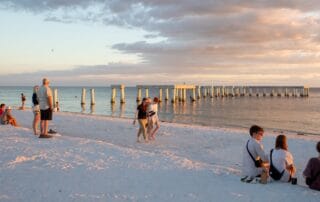
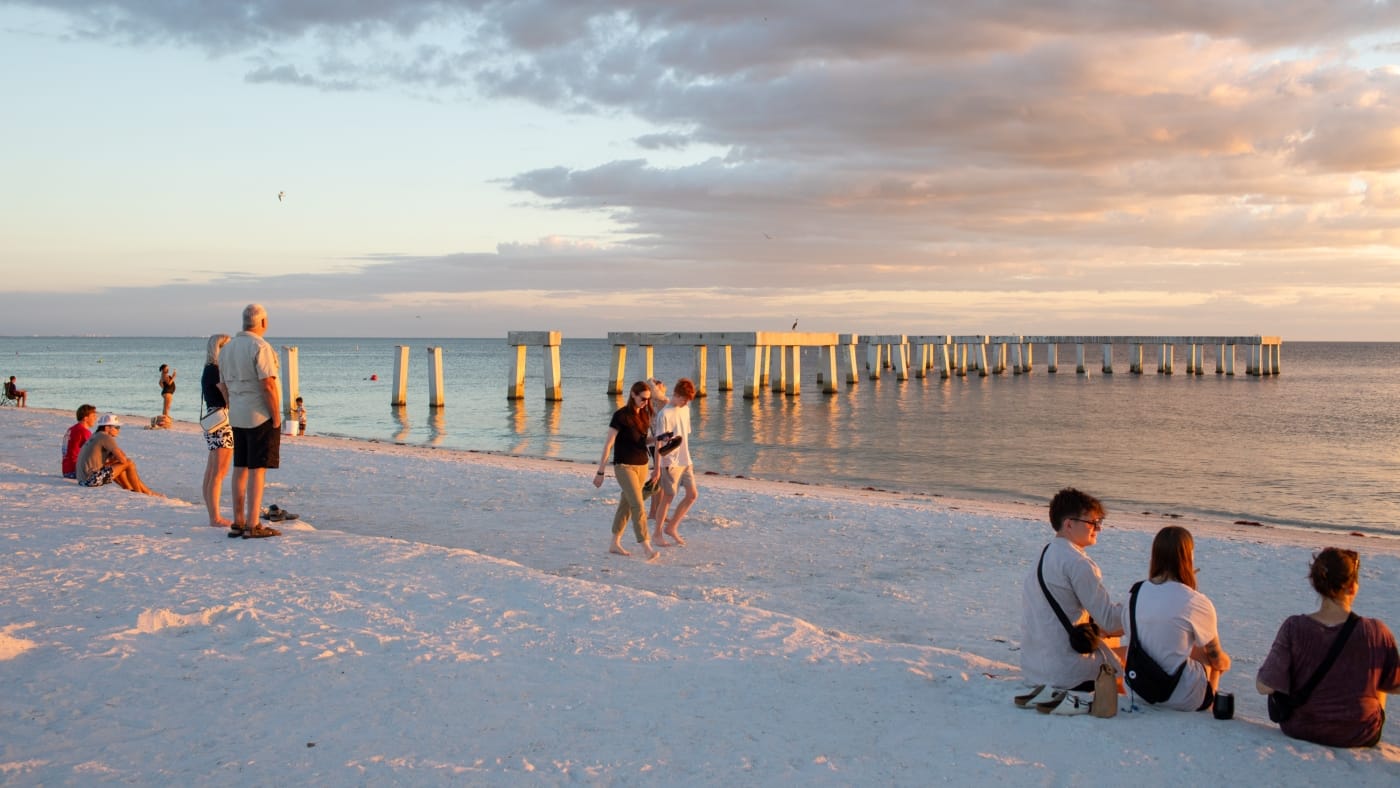
Fort Myers Beach is becoming the front line of a new Florida—one shaped by hurricane devastation, soaring insurance premiums, and rapid gentrification. Three years after Hurricane Ian, residents are still battling massive rebuilding costs and insurance bills that now exceed $5,700 a year on average, with flood insurance reaching $10,000 for some families. Long-time locals, small businesses, and service workers are being priced out as wealthy investors move in, transforming once-affordable coastal communities. Real estate professionals warn that foreclosures may rise if economic pressures continue, signaling a pivotal moment for Florida’s housing market and the professionals who serve it.
Economic uncertainty, AI disruption, slowing population growth, and rising portfolio risk are reshaping commercial real estate heading into 2026. A new report unveiled at NAR NXT highlights the forces that will reward informed professionals — and challenge those who aren’t prepared. From fiscal policy and shifting capital flows to tech transformation and housing shortages, the landscape is evolving fast. Cameron Academy breaks down the key issues so real estate, mortgage, finance, and insurance professionals can stay ahead of the curve.
A sudden federal shutdown of FEMA’s BRIC resiliency program has left cities and commercial property owners scrambling, exposing billions in real estate to rising climate threats. With nearly a billion dollars in mitigation funding clawed back and extreme weather intensifying, insurance premiums are expected to surge and coverage may shrink — placing new pressure on markets like Florida and New York.
A new Florida Senate bill aims to stop cities and counties from blocking residential developments over vague “compatibility” concerns. Supporters say the measure would speed up homebuilding and ease housing shortages, while opponents argue it strips communities of essential oversight and could accelerate growth without proper planning. The proposal could reshape development timelines and land-use decisions statewide, making it a major issue for real estate professionals to watch.
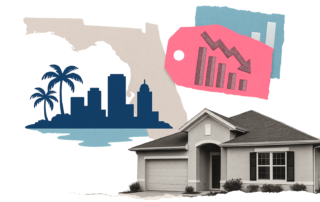
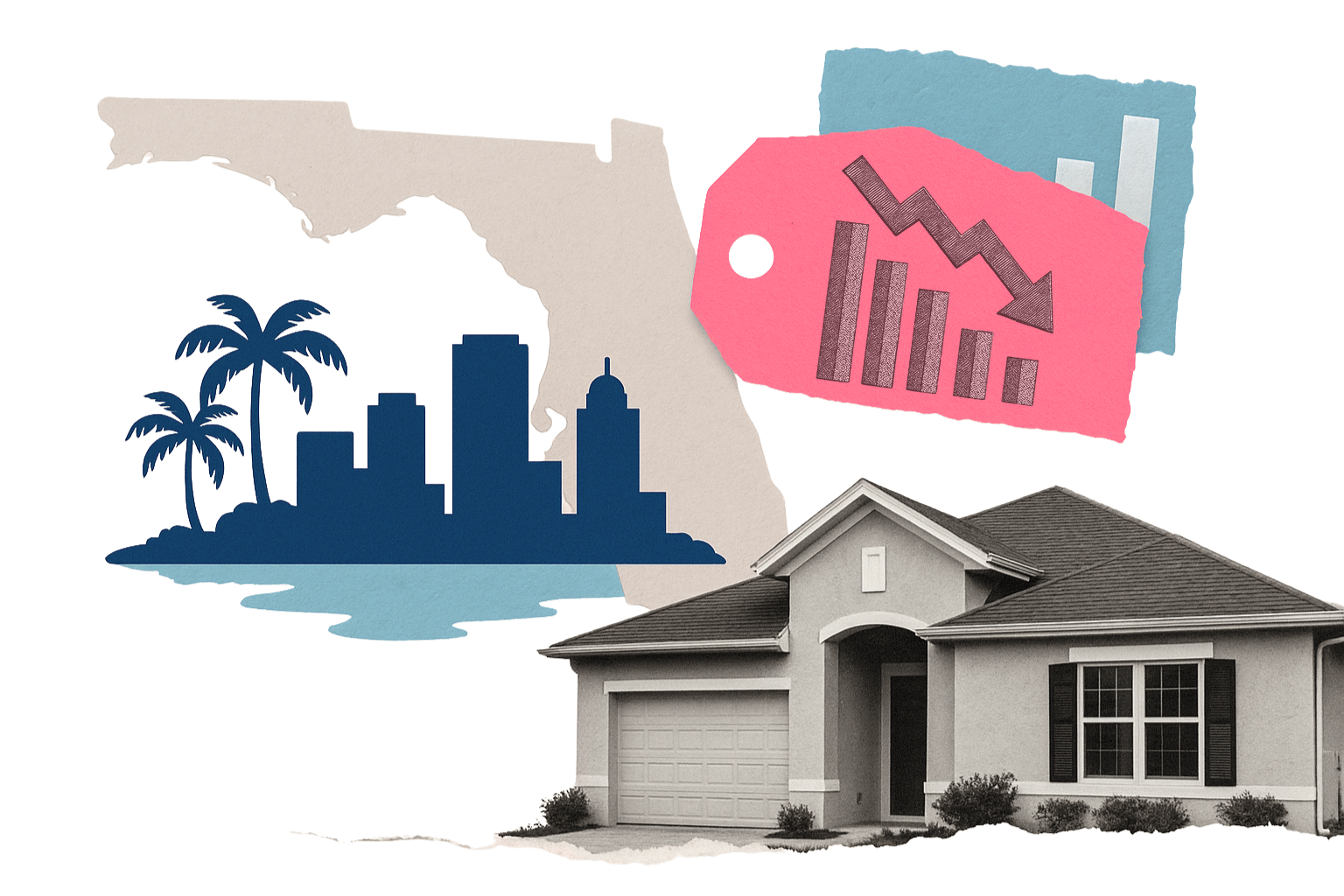
Cape Coral–Fort Myers has officially moved into buyer-friendly territory, with homes now sitting a median 119 days on the market—far longer than both the Florida and U.S. averages. Rising inventory, a 36.9 percent price‑reduction rate, and slower absorption compared to accumulated supply are giving buyers more leverage and time to negotiate, signaling a meaningful reset in this once‑fast‑moving Florida market.
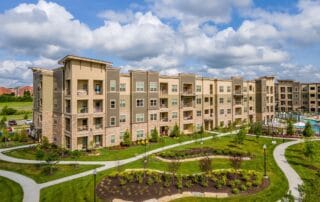
Kansas City’s commercial real estate sector is finally turning a corner after several years of sluggish activity. Retail is leading the rebound, while multifamily and industrial properties are gaining traction as pricing stabilizes and buyer confidence returns. A standout 2025 transaction—the sale of the 380‑unit Cyan Southcreek community—signals that capital is flowing back into the market. With bid‑ask spreads tightening and investor optimism rising, Kansas City is entering a period of renewed opportunity for real estate professionals and investors alike.

 Florida’s Middle Class Is Being Squeezed Out: Insurance Costs, Rebuilding Struggles, and a Changing Coastline Gallery