Six for 2026: The Commercial Real Estate Shifts Already Reshaping the U.S.
If 2024 was the “reset,” then 2026 is shaping up to be the year commercial real estate fully reinvents itself. Fueled by the forward‑looking insights from Cushman & Wakefield’s Six for 2026 outlook, professionals nationwide are preparing for a future driven by tech acceleration, shifting tenant expectations, and bold redevelopment strategies.
For morning‑coffee readers and career‑driven pros, this is your energizing breakdown of the major forces shaping tomorrow’s commercial landscape — and what they mean for investors, brokers, developers, and future licensees.
1. AI‑Driven Productivity and Real Estate Demand
Artificial intelligence is no longer a bonus — it’s a baseline. From automation‑enhanced logistics to smarter, data‑driven site selection, AI is reshaping business operations and space requirements. Expect streamlined underwriting, accelerated valuations, and next‑gen office environments optimized for digital collaboration.
2. Office Space Reinvented — Again
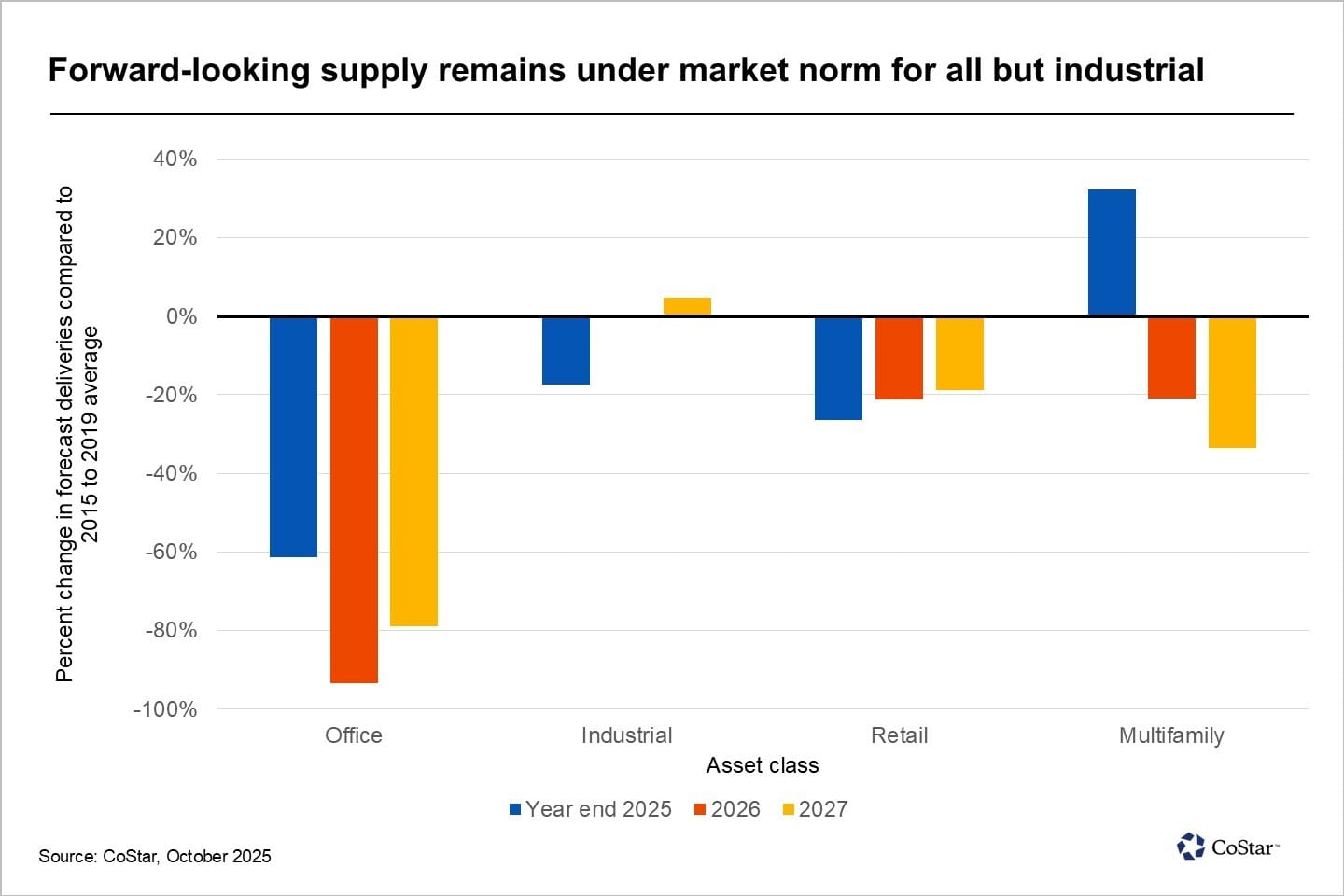
The office sector isn’t shrinking; it’s transforming. Companies are doubling down on high‑quality layouts, amenity‑rich campuses, and flexible configurations built for hybrid dynamics. Meanwhile, aging properties are headed toward repurposing — or retirement.
3. Retail’s Experience Economy Momentum
Retail rooted in experience, interaction, and authenticity is thriving. Brands that seamlessly merge digital and physical touchpoints continue to outperform. Mixed‑use destinations anchored by entertainment, dining, fitness, and lifestyle offerings are becoming the new community hubs.
4. Industrial Expansion and Last‑Mile Innovation
Industrial demand stays red‑hot as e‑commerce evolves and supply chains optimize. Expect more last‑mile logistics hubs, advanced cold storage, and AI‑enabled distribution centers situated strategically near growing population clusters.
5. Housing Affordability Pressure and Creative Solutions
As affordability tightens nationwide, developers are embracing innovative housing solutions — adaptive reuse, micro‑units, modular construction, and public‑private partnerships. Investors are increasingly targeting markets with strong migration patterns and attainable housing demand.
6. Sustainability and Resilience as Core Value Drivers
Environmental strategy has shifted from optional to essential. From green certifications to resilient infrastructure, sustainability now plays a direct role in valuation, tenant interest, and long‑term investment confidence.
These six themes point to a market that isn’t slowing — it’s adapting strategically. And for professionals who want to stay ahead, understanding where these forces intersect will be the competitive edge.
If you’re entering the real estate field or expanding your credentials, Cameron Academy proudly supports professionals across Florida and all 50 states with flexible, modern, career‑advancing education designed for a rapidly evolving industry.
More Articles
Getting licensed or staying ahead in your career can be a journey—but it doesn’t have to be overwhelming. Grab your favorite coffee or tea, take a moment to relax, and browse through our articles. Whether you’re just starting out or renewing your expertise, we’ve got tips, insights, and advice to keep you moving forward. Here’s to your success—one sip and one step at a time!
Skyrocketing insurance premiums and soaring rebuilding costs are transforming communities across Southwest Florida, especially in the wake of Hurricane Ian. As longtime residents struggle to keep up with rising financial pressure, wealthier newcomers and stricter building standards are reshaping the identity of places like Fort Myers Beach. With insurance rates now driving home sales, triggering potential foreclosures, and squeezing both owners and renters, Florida’s middle-class families face a growing question: can they afford to stay in the state they love?
Florida’s insurance industry is stabilizing fast, with nearly 1.6 million policies shifting from Citizens to private insurers and litigation dropping sharply. Regulators report stronger market confidence, decreasing premiums, and renewed competition—signaling one of the healthiest periods the state has seen in years.
A Leon County judge has ordered the restart of arbitration for Citizens Property Insurance claims, directly conflicting with a previous ruling that halted the process as potentially unconstitutional. With more than 400 cases now back in motion, real estate, insurance, and mortgage professionals can expect renewed activity in claim disputes and fresh uncertainty as Florida courts clash over the legality of Citizens’ arbitration system.
The DFW market is transitioning into a new construction phase marked by a slowdown in office development, a more selective approach to industrial projects, and an evolving housing landscape shaped by affordability and population growth. Developers are recalibrating their priorities, and for real estate professionals, understanding these shifts offers a critical edge in navigating—and capitalizing on—the next phase of the metroplex’s growth.
A new federal lawsuit claims Zillow pushed homebuyers toward Zillow Home Loans by rewarding affiliated agents with valuable leads — all without proper disclosure. The suit alleges undisclosed incentives, referral quotas, and potential RESPA violations, raising major concerns about steering, fiduciary duties, and Zillow’s expanding mortgage ambitions.
The mortgage industry is evolving fast, and the lenders who come out on top will be those who innovate without uprooting what already works. By building on strong technology foundations, streamlining workflows and adopting smart automation, lenders can reduce costs, improve customer experience and stay resilient in any market cycle. This article breaks down why innovation matters now, how a stable tech ecosystem protects lenders in volatile conditions and why small, strategic steps can drive long-term transformation.