Six Trends Shaping U.S. Real Estate in 2026: What Professionals Should Watch
U. S. Real estate trends 2026

Every new year brings fresh momentum to the real estate industry, but 2026 is shaping up to be pivotal for both investors and professionals. Cushman & Wakefield’s latest insight report, Six for 2026: U.S. Real Estate Trends to Watch, highlights a rapidly shifting landscape driven by technology, consumer behavior, and evolving commercial needs.

While the full set of insights can be explored directly through Cushman & Wakefield’s official publication, this article breaks down the most relevant themes affecting modern professionals—especially those sharpening their expertise through institutions like Cameron Academy, where staying ahead of market transitions is part of the experience.

AI Expands Its Footprint Across Asset Classes

Artificial intelligence is no longer a back-office perk—it’s becoming a primary engine of valuation, planning, and tenant engagement. Professionals entering the field in 2026 will need more than traditional training; they’ll need a digital‑first mindset to stay competitive.

Office Spaces Reinvent Themselves… Again

Companies continue refining hybrid models, sparking new expectations for flexible, amenity‑rich spaces. Rather than shrinking budgets, businesses are focusing on quality over quantity. For real estate professionals, understanding these shifts is a powerful advantage in leasing and advising.

Retail’s Big Comeback Through Experience

Retail is reinventing itself with experience-first environments—interactive showrooms, community hubs, and immersive displays. Brick‑and‑mortar isn’t dying; it’s transforming. This creates fresh opportunities for brokers and investors fluent in modern consumer psychology.

Industrial Real Estate Continues Its Run

With e-commerce demand and automation soaring, industrial assets remain dominant. Distribution hubs, last‑mile delivery centers, and cold‑storage facilities are positioned for significant growth throughout 2026.

Capital Flows Become More Selective

Investors in 2026 are moving with intention—not retreating. Capital is targeting stable, essential sectors and high‑growth markets. Understanding these shifts helps professionals anticipate where the next wave of opportunity will rise.

ESG Expectations Mature

Sustainability is no longer a buzzword—it is a core operational standard. Properties integrating efficiency, resilience, and wellness design continue to outperform in both tenant demand and long‑term valuation.

As the industry transforms, now is the ideal moment for professionals to upskill, diversify, and stay informed. Whether breaking into real estate, moving into commercial markets, or refreshing expertise, institutions like Cameron Academy help ensure your knowledge evolves with the market.

To explore Cushman & Wakefield’s full analysis, visit:
Six for 2026: U.S. Real Estate Trends to Watch


More Articles

Getting licensed or staying ahead in your career can be a journey—but it doesn’t have to be overwhelming. Grab your favorite coffee or tea, take a moment to relax, and browse through our articles. Whether you’re just starting out or renewing your expertise, we’ve got tips, insights, and advice to keep you moving forward. Here’s to your success—one sip and one step at a time!

KBank’s Crypto Dilemma: Navigating Legislative Changes Amid IPO Plans

The financial landscape in South Korea is poised for a seismic shift as KBank, a major digital bank, grapples with a legislative curveball. The bank, which is heavily reliant on deposits from Upbit, Korea’s dominant cryptocurrency exchange, is facing a potential profit squeeze. The new Virtual Asset User Protection Act, set to take effect on July 19, 2024, mandates that banks must pay interest on crypto exchange deposits, a move that could severely impact KBank's bottom line.

By |December 29, 2024|Categories: Article, Cryptocurrency, Finance|Tags: |0 Comments

The Transformation of Healthcare: AI’s Role in Diagnostics and Personalized Medicine

AI's ability to analyze vast amounts of data is paving the way for a profound change in medical diagnostics. Khosla predicted that AI could take over up to 80% of standard medical tasks, reducing errors and biases in human diagnosis. This is particularly evident in fields like radiology and pathology, where AI's proficiency in analyzing medical imaging allows for the early detection of diseases such as cancer, significantly improving treatment outcomes.

The Geography of Pandemic-Era Home Price Trends and Implications for Affordability

The COVID-19 pandemic has dramatically reshaped the housing market landscape, resulting in an unprecedented surge in home prices throughout the United States.

By |December 28, 2024|Categories: Affordability Issues, Article, Housing Market|Tags: |0 Comments

AI in Healthcare: Transforming the Industry Today and Tomorrow

In a world where technology is rapidly evolving, artificial intelligence (AI) is proving to be a game-changer in the healthcare sector. AI-powered tools are improving patient outcomes, enhancing operational efficiency, and reducing costs, reshaping the very fabric of healthcare delivery.

By |December 28, 2024|Categories: Article, Artificial Intelligence, Healthcare|Tags: |0 Comments

Revolutionizing Surgical Training with VR and AI

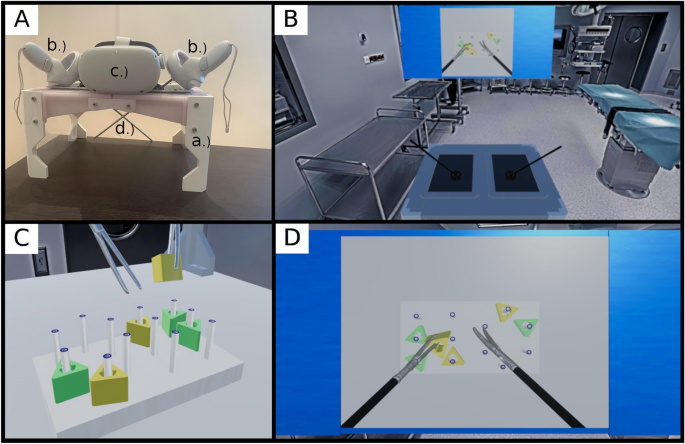
In a groundbreaking study published by Nature, researchers have unveiled a novel approach to surgical training using a low-fidelity virtual reality (VR) simulator enhanced with artificial intelligence (AI) for objective assessment. This pioneering method is poised to transform how medical students acquire laparoscopic skills, offering a cost-effective and efficient alternative to traditional training models.

AI and Machine Learning: Revolutionizing the Healthcare Industry

AI in healthcare is projected to grow into a $188 billion industry worldwide by 2030, promising to revolutionize the field. From drug development to improved diagnostics, AI is already making significant strides, transforming medical practices and enhancing patient care efficiency.

By |December 27, 2024|Categories: Article, Healthcare, Technology|Tags: , |0 Comments