Sky‑High Homeowners Insurance Rates Are Becoming Florida’s ‘New Normal’
Florida homeowners hoping for relief from soaring insurance premiums may need to prepare for an uncomfortable reality: stability has arrived, but prices are staying sky‑high. While state leaders claim victory in their efforts to reduce insurance costs, industry insiders are offering a more grounded perspective—one that Floridians are already feeling in their wallets.
Source Spotlight: This story was informed by reporting from
Vero News. Explore their local coverage here:
VeroNews.com
A ‘Victory’ That Depends on How You Define It
Gov. Ron DeSantis and State Insurance Commissioner Mike Yaworsky recently praised reforms aimed at stabilizing the collapsing homeowners insurance market. And to their credit, one thing is true: the era of double or quadruple rate increases seems to have paused.
But “paused” is not the same as “lowered.” According to local insurance expert and real estate professional Harry Howle, what Floridians are really experiencing is a new plateau—one that is much higher than most hoped.
“Like inflation, once the cost of insurance is raised, overall, it seems to become the new norm,” Howle explains.
Coastal Homes Take the Hardest Hit
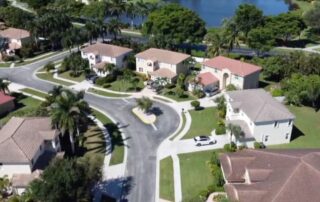
Insurance companies may be returning to Florida, but they’re still avoiding some of the state’s most beautiful—yet most vulnerable—locations. Homes in Vero Beach’s island communities, especially those within the 32963 ZIP code, remain notoriously difficult and expensive to insure.
Howle notes that coastal risk continues to scare off insurers burned by storms across both coasts. The result? Fewer insurance options and persistently elevated premiums.
Real Numbers, Real Impact
Here’s what today’s Florida insurance landscape looks like in real dollars:
- A $750,000 home built in 1970 on the beach in 32963 costs about $8,200 per year to insure.
- A newer mainland home valued at $820,000 in 32967 costs only $3,200 annually.
- A 1991 beachside home with a $1.4 million replacement cost runs $15,000 a year.
- A $900,000 mainland home built in 2019? Just $2,600 annually.
The message is clear: age and proximity to water drastically impact premium costs—and seldom in a way homeowners appreciate.
Inspections, Upgrades, and the Hidden Costs of Coverage
Beyond premiums, insurers continue demanding extensive upgrades before offering a policy. Even functional roofs, plumbing, and electrical systems can be flagged as “too old,” forcing homeowners into costly renovations.
“It seems to be a matter of endless insurance inspections,” Howle says.
Legislators Push for More Transparency
Some lawmakers are now challenging insurers on two major fronts:
- Requiring companies to disclose balance sheets to confirm whether “excess profits” are being refunded.
- Mandating itemized breakdowns showing how insurers calculate individual premiums.
Insurers oppose both measures, calling proprietary information a “trade secret.” For frustrated homeowners, however, transparency is long overdue.
Why This Matters to Real Estate Professionals
For anyone entering or advancing in the Florida real estate field, understanding insurance trends is essential. Premiums can make or break affordability—and knowing how to guide buyers through this market is a professional advantage.
That’s exactly why institutions like Cameron Academy emphasize insurance literacy and market awareness in their licensing programs. Today’s agents must not only know the market—they must decode the forces shaping it.
The Bottom Line
Florida’s homeowners insurance market may no longer be spiraling out of control, but stability at sky‑high prices is hardly a victory for everyday residents. As legislative debates continue and insurers hold their ground, Floridians are adjusting to the new normal—one expensive renewal notice at a time.
Learn More: If you’re pursuing a real estate, mortgage, or insurance license—or expanding your expertise—visit
CameronAcademy.com
for modern, affordable education built for today’s market.