Sky‑High Homeowners Insurance Rates Are Becoming Florida’s ‘New Normal’

House key in door

Florida homeowners hoping for relief from soaring insurance premiums may need to prepare for an uncomfortable reality: stability has arrived, but prices are staying sky‑high. While state leaders claim victory in their efforts to reduce insurance costs, industry insiders are offering a more grounded perspective—one that Floridians are already feeling in their wallets.

Source Spotlight: This story was informed by reporting from Vero News. Explore their local coverage here: VeroNews.com

A ‘Victory’ That Depends on How You Define It

Gov. Ron DeSantis and State Insurance Commissioner Mike Yaworsky recently praised reforms aimed at stabilizing the collapsing homeowners insurance market. And to their credit, one thing is true: the era of double or quadruple rate increases seems to have paused.

But “paused” is not the same as “lowered.” According to local insurance expert and real estate professional Harry Howle, what Floridians are really experiencing is a new plateau—one that is much higher than most hoped.

“Like inflation, once the cost of insurance is raised, overall, it seems to become the new norm,” Howle explains.

Coastal Homes Take the Hardest Hit

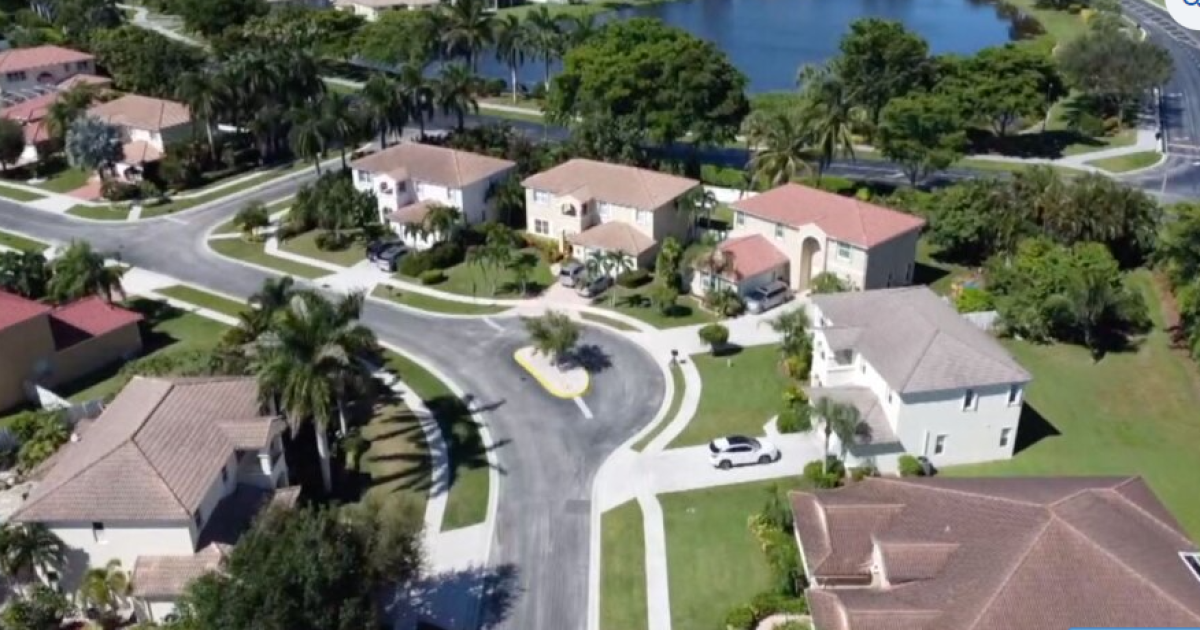
Insurance companies may be returning to Florida, but they’re still avoiding some of the state’s most beautiful—yet most vulnerable—locations. Homes in Vero Beach’s island communities, especially those within the 32963 ZIP code, remain notoriously difficult and expensive to insure.

Howle notes that coastal risk continues to scare off insurers burned by storms across both coasts. The result? Fewer insurance options and persistently elevated premiums.

Real Numbers, Real Impact

Here’s what today’s Florida insurance landscape looks like in real dollars:

  • A $750,000 home built in 1970 on the beach in 32963 costs about $8,200 per year to insure.
  • A newer mainland home valued at $820,000 in 32967 costs only $3,200 annually.
  • A 1991 beachside home with a $1.4 million replacement cost runs $15,000 a year.
  • A $900,000 mainland home built in 2019? Just $2,600 annually.

The message is clear: age and proximity to water drastically impact premium costs—and seldom in a way homeowners appreciate.

Inspections, Upgrades, and the Hidden Costs of Coverage

Beyond premiums, insurers continue demanding extensive upgrades before offering a policy. Even functional roofs, plumbing, and electrical systems can be flagged as “too old,” forcing homeowners into costly renovations.

“It seems to be a matter of endless insurance inspections,” Howle says.

Legislators Push for More Transparency

Some lawmakers are now challenging insurers on two major fronts:

  • Requiring companies to disclose balance sheets to confirm whether “excess profits” are being refunded.
  • Mandating itemized breakdowns showing how insurers calculate individual premiums.

Insurers oppose both measures, calling proprietary information a “trade secret.” For frustrated homeowners, however, transparency is long overdue.

Why This Matters to Real Estate Professionals

For anyone entering or advancing in the Florida real estate field, understanding insurance trends is essential. Premiums can make or break affordability—and knowing how to guide buyers through this market is a professional advantage.

That’s exactly why institutions like Cameron Academy emphasize insurance literacy and market awareness in their licensing programs. Today’s agents must not only know the market—they must decode the forces shaping it.

The Bottom Line

Florida’s homeowners insurance market may no longer be spiraling out of control, but stability at sky‑high prices is hardly a victory for everyday residents. As legislative debates continue and insurers hold their ground, Floridians are adjusting to the new normal—one expensive renewal notice at a time.

Learn More: If you’re pursuing a real estate, mortgage, or insurance license—or expanding your expertise—visit CameronAcademy.com for modern, affordable education built for today’s market.

More Articles

Getting licensed or staying ahead in your career can be a journey—but it doesn’t have to be overwhelming. Grab your favorite coffee or tea, take a moment to relax, and browse through our articles. Whether you’re just starting out or renewing your expertise, we’ve got tips, insights, and advice to keep you moving forward. Here’s to your success—one sip and one step at a time!

Commercial Real Estate 2026: A Stabilizing Market Finally Finds Its Rhythm

After a turbulent 2025 marked by stalled construction, tight capital, and economic uncertainty, commercial real estate is finally entering a period of stabilization and early recovery. Analysts across Colliers, Cushman & Wakefield, CoStar, KBW, and Deloitte agree that 2026 brings a “new equilibrium,” with capital markets waking up, vacancies peaking, and investment activity returning. Office, industrial, retail, multifamily, and data center sectors each tell a different story—some recovering, some booming, some transforming—but all show signs of renewed momentum. For investors and professionals, 2026 offers cautious yet promising opportunities as the industry regains its footing.

Five New Florida Laws Every Professional Should Know in 2026

Florida kicked off the new year with five impactful laws now in effect, influencing healthcare, insurance, animal welfare, and government employees statewide. From faster medical refund requirements to new pet‑insurance transparency rules and expanded benefits for state workers, these updates are already reshaping daily life and professional practices. Whether you work in real estate, insurance, healthcare, or any state‑licensed field, staying informed on these changes is essential as regulations continue to shift rapidly across Florida.

Commercial Real Estate in 2026 Shows Clear Signs of Stabilization and Recovery

The commercial real estate market is entering 2026 with renewed momentum and long‑awaited signs of stability. Major research firms report a “new equilibrium” forming across asset classes, supported by lower interest rates, easing lending conditions, and returning investor confidence. Office vacancies are projected to improve, industrial demand remains strong despite reduced construction, and data centers continue to dominate growth. With capital markets reawakening and REITs poised for a potential breakout year, professionals who stay informed and expand their skill sets could find 2026 filled with fresh opportunity.

Mortgage Rates Drop to 15‑Month Low as 2026 Housing Market Shows Signs of Thawing

Mortgage rates have fallen to their lowest point since 2024, giving homebuyers a much‑needed break as 2026 begins. The average 30‑year fixed rate now sits near 6.12% to 6.15%, driven by multiple Fed rate cuts and cooling economic signals. While lower rates are boosting buyer optimism, tight inventory and the lingering lock‑in effect continue to challenge the market. This shift may open a key opportunity window for buyers— and for real estate and mortgage professionals looking to stay ahead of rapid industry changes.

Florida’s Great Tax Shake-Up: The 2026 Property Tax Overhaul That Could Reshape Homeownership

Florida is gearing up for what could be its biggest property tax transformation in decades. With state leaders, including Gov. Ron DeSantis, exploring ways to reduce or even eliminate property taxes as early as 2026, homeowners and real estate professionals are bracing for major changes. While supporters argue that Florida can cut back the nearly $60 billion in annual property tax revenue without harming essential services, local officials warn the move could jeopardize police, fire, EMS, and community programs. As the debate intensifies heading into the 2026 legislative session, the future of Florida’s housing affordability and municipal funding hangs in the balance.

New Florida Laws Taking Effect January 1: Key 2026 Updates Every Professional Should Know

Florida is starting 2026 with a slate of major new laws impacting health care, insurance, real estate, consumer protection, and public safety. From free breast‑cancer diagnostic exams for state employees to new transparency rules for condo associations and stricter regulations on pet insurance, these changes will influence professionals across multiple industries. Whether you work in real estate, insurance, health services, or public policy, understanding these updates will help you stay compliant and ahead of Florida’s fast‑evolving regulatory landscape.