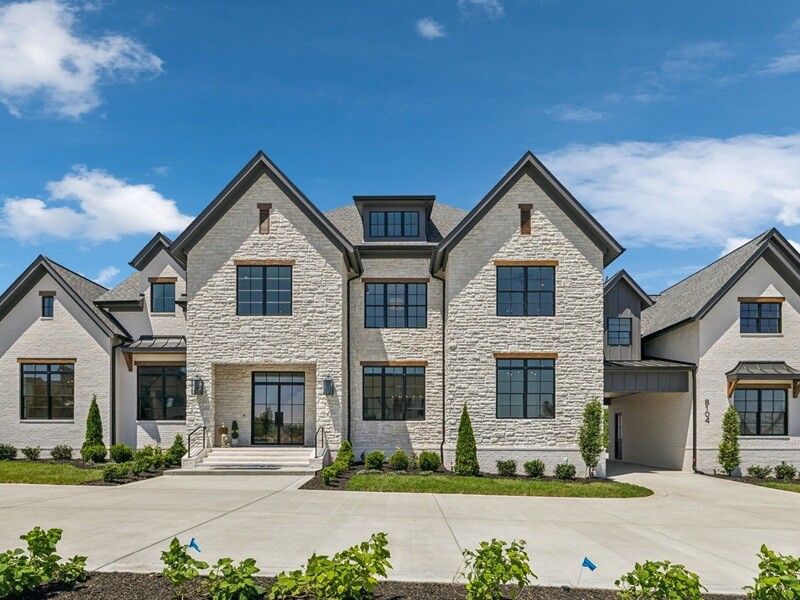
Smart & Sustainable Homes: The New Standard of Luxury in Nashville’s 2026 Market
Imagine waking up in a home that brightens the room at your preferred time, adjusts the thermostat to your daily rhythm, and maintains energy costs far below traditional homes. This isn’t a futuristic fantasy—it’s the present reality shaping Nashville’s most luxurious new construction communities.
As Nashville continues to attract tech-savvy professionals from cities like Austin, Denver, and Seattle, demand for intelligent and eco-conscious home design has exploded. The result: 2026 is becoming the year where smart technology and sustainability define true luxury living.
What You’ll Discover in This Article
Why smart and sustainable features are transforming Nashville’s luxury market
Top smart home technologies and eco-focused innovations in 2026
How energy-efficient homes create long-term financial value
Communities leading the smart home movement
Key questions to ask when evaluating new construction homes
Why Nashville’s Luxury Market Is Embracing Smart + Sustainable Living
Nashville’s booming growth has positioned it as a leader in residential innovation. National housing research shows that energy-efficient features now rank among the top priorities for modern homebuyers, with smart technology close behind. Some homes reduce utility costs by over thirty percent.
The region’s expanding tech ecosystem has also created a population that expects seamless digital integration in every aspect of life—including their living space. Smart and sustainable features now directly affect both desirability and resale value.
The Smart Technology Revolution
Today’s high-end builds integrate lighting, security, climate control, appliances, entertainment systems, and more into unified platforms. These systems respond to voice commands or smartphone apps. They’re no longer luxury add-ons—they’re foundational.
AI-Powered Adaptive Living
The most advanced homes feature AI systems that learn daily habits and automatically adjust climate, lighting, and appliance usage. Communities in Brentwood, Franklin, and Nolensville are leading this next-level innovation.
Enhanced Security
Modern security systems now include:
AI-enhanced motion detection
Smart doorbells with facial recognition
Remote monitoring from any location
Lighting automation that simulates occupancy
Smarter Energy Management
Real-time energy dashboards allow homeowners to monitor usage room-by-room and appliance-by-appliance, making it easy to maximize efficiency and save money.
Sustainable Design That Elevates Luxury
Nashville’s premier new construction homes combine elegance with eco-forward engineering. Solar-ready roofing, low-emissivity windows, high-efficiency HVAC systems, and innovative insulation techniques are quickly becoming standard.
Energy Star reports that certified homes are at least fifteen percent more efficient than typical builds—and many Nashville properties exceed that threshold substantially.
Eco-Friendly Features On the Rise
Locally sourced hardwoods and stone
Recycled and reclaimed materials
Low-VOC paints for cleaner indoor air
Premium sustainable flooring options
Water Conservation Without Sacrificing Comfort
Smart irrigation systems, drought-resistant landscaping, and high-efficiency plumbing fixtures now define the modern eco-luxury lifestyle across Middle Tennessee.
Superior Indoor Air Quality
Advanced purification systems, whole-home filters, and green HVAC designs ensure healthier, cleaner air—an increasingly important component of premium home wellness.
The Economic Advantage of Smarter Homes
While smart and sustainable features require an upfront investment, they deliver strong long-term savings and can significantly boost resale value. Homes with high efficiency and integrated tech consistently sell faster and at higher prices.
Financial Incentives
Federal tax credits for energy-efficient construction
TVA rebate programs
Insurance discounts with smart security systems
Green financing options offering reduced mortgage rates
Communities Leading the Smart Home Movement
Brentwood excels in blending state-of-the-art smart tech with refined luxury design.
Franklin masterfully merges historic charm with digital innovation.
Nolensville appeals to families seeking comfort, intelligence, and efficiency.
Key Questions to Ask Builders
Which smart features are standard vs. upgrades?
What sustainability certifications does the home hold?
How does the builder handle materials and waste?
What warranties cover smart systems and energy components?
Your Smart, Sustainable Future Begins Now
Nashville’s 2026 luxury homes redefine comfort, intelligence, and environmental responsibility. As the region grows, today’s forward-thinking designs are shaping the future of Middle Tennessee living.
If you’re a real estate professional, mortgage lender, insurance advisor, or aspiring agent, understanding smart home technology is becoming essential. Cameron Academy helps professionals stay ahead through industry-leading licensing and continuing education programs designed for the modern market.
Stay informed. Stay licensed. Stay ahead.
More Articles
Getting licensed or staying ahead in your career can be a journey—but it doesn’t have to be overwhelming. Grab your favorite coffee or tea, take a moment to relax, and browse through our articles. Whether you’re just starting out or renewing your expertise, we’ve got tips, insights, and advice to keep you moving forward. Here’s to your success—one sip and one step at a time!
The Real Estate Board of New York (REBNY) has announced a new policy requiring sellers to directly pay the buyer's agent, effective from January 1. This significant shift aims to enhance transparency and address potential conflicts of interest in real estate transactions. The policy comes amidst ongoing lawsuits related to commission sharing and allegations of unethical practices. The implementation of this policy is expected to impact the real estate industry significantly, with sellers needing to factor in the cost of the buyer's agent commission when pricing their properties.
In a significant development, the U.S. Senate has voted to block the implementation of the Consumer Financial Protection Bureau's (CFPB) small business lending rule. This decision has sparked a heated debate over the impact it may have on small businesses across the country. President Biden, in response, has threatened to veto the Senate's decision, emphasizing his commitment to fair lending practices and supporting small businesses. The CFPB's rule, implemented in October 2020, requires lenders to collect and report data on small business lending. This includes information on the race, sex, and ethnicity of borrowers, with the aim of identifying and addressing potential disparities in access to credit for minority-owned and women-owned small businesses. The Senate's decision to block the CFPB's rule has been celebrated by small business advocates and industry groups critical of the CFPB's regulatory approach. However, the implications of this decision remain uncertain, as President Biden's threatened veto looms large.
The world of real estate has recently been shaken by a wave of class-action commission lawsuits, sparking a contentious debate. These lawsuits demand scrutiny to understand their implications and validity. A primary counter-argument is the freedom of consumer choice. In today's digital age, potential buyers and sellers have access to a wealth of online resources, enabling them to undertake real estate transactions independently. Another critical factor is the negotiability of commissions in the real estate sector. Commission rates are not fixed, they are subject to negotiation between the agent and the client. This flexibility allows for open discussions, leading to mutually agreeable terms. Despite the emergence of discount brokerage firms, consumers continue to place their trust in traditional real estate agents. This preference stems not only from cost considerations but also from the value of expertise, guidance, and personalized service that agents offer. Real estate transactions are complex and often involve significant financial investments. Trusted agents provide invaluable insights, market knowledge, and negotiation skills, helping clients make informed decisions and navigate potential challenges confidently.
In the last two years, the housing market has seen a dramatic shift. Soaring mortgage rates and rising home prices have led to the fastest erosion in housing market affordability in modern history, with first-time homebuyers feeling the impact the most. The housing market has undergone significant changes over the past two years, leading to a substantial increase in the income required to purchase a median-priced home. According to recent data from Redfin, a homebuyer must now earn $114,627 to afford the typical U.S. home. This is a 15% increase from the previous year and more than 50% higher than pre-pandemic levels.
The housing market has shown remarkable resilience in the face of rising mortgage rates. Despite rates reaching 8%, new listings data remains steady, indicating a healthy supply of homes for sale. This stability is a positive sign for both buyers and sellers, demonstrating the strength of the housing market. Despite the increase in mortgage rates, sellers in the housing market have maintained their confidence. This confidence is reflected in the steady new listing data, as sellers continue to list their properties without hesitation. It indicates that sellers believe there is still strong demand from buyers and that the potential financial impact of higher mortgage rates does not outweigh the benefits of selling their homes.
The Real Estate Board of New York (REBNY) has introduced a groundbreaking requirement for sellers to directly compensate buyers' agents. This significant change has the potential to transform the real estate industry, eliminating conflicts of interest and promoting a more client-centric approach. This shift in the compensation landscape aims to create a more transparent and trustworthy environment for buyers. Moreover, this shift towards a client-centric approach aligns with the mission and values of Cameron Academy. As a leading provider of real estate education, Cameron Academy is committed to empowering professionals to navigate the evolving industry landscape and prioritize the best interests of their clients.